

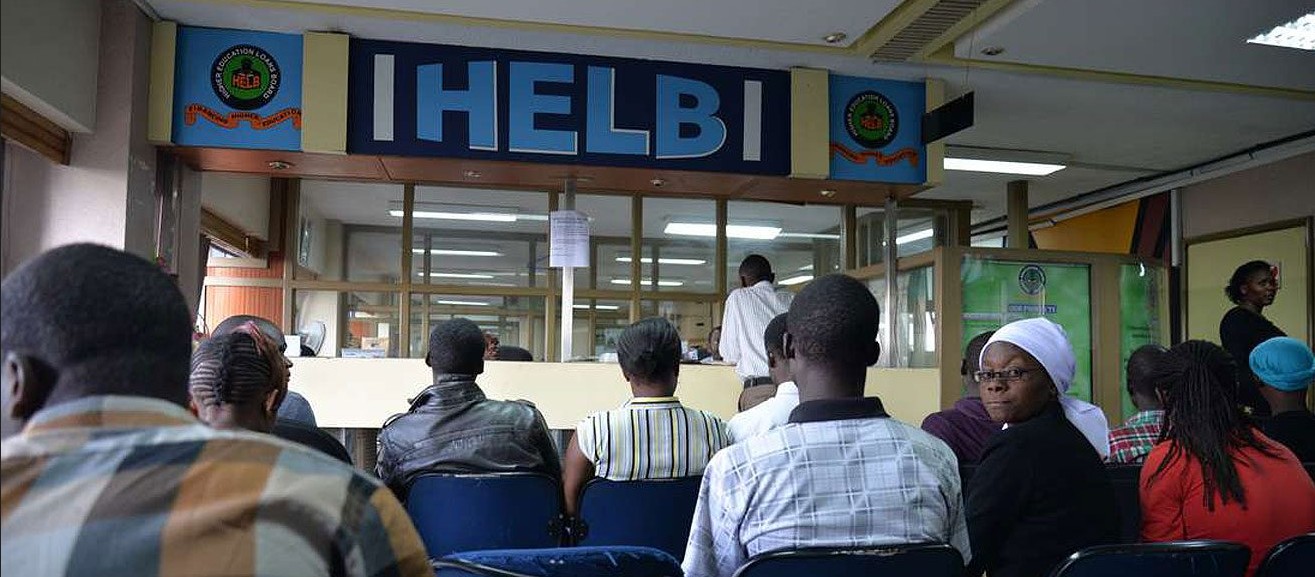
Male students in Kenya have continued to receive a significantly larger portion of government student loans compared to their female counterparts over the past five academic years, according to the latest official data.
Figures released in the Kenya National Bureau of Statistics’ 2026 Economic Survey report reveal a consistent imbalance in both the number of beneficiaries and the total value of funding allocated by the Higher Education Loans Board (HELB).
Between the 2021-22 and 2025-26 academic years, HELB disbursed a total of Ksh127 billion to students in public universities. Male students received Ksh76 billion, while female students were allocated Ksh51 billion.
The pattern extends beyond public universities. In private institutions, male applicants secured Ksh722 million compared with Ksh569 million for females. In Technical and Vocational Education and Training (TVET) institutions, males received Ksh1.7 billion against Ksh1.3 billion for females.
Latest figures reinforce the trend
In the 2025-26 academic year, the total number of loan applicants increased by 3.7% to 1,087,262. Of these, 716,417 – a success rate of 65.9% – were approved.
Male applicants numbered 634,900 (up 5.5%), while female applicants rose more modestly by 1.4% to 452,362.
Among successful applicants, 411,337 were male and 305,080 female. In monetary terms, male students received Ksh35.5bn, compared with Ksh26.5bn for female students. The figures for this most recent year remain provisional per KNBS.
A similar disparity was recorded in 2024-25, when 718,447 students out of 1,048,008 applicants secured loans. Male beneficiaries (415,870) received Ksh27.3bn of the Ksh46.9bn total, while female beneficiaries (302,577) were allocated Ksh19.6bn.
The gap was evident even in earlier years. In 2023-24, males received Ksh21.2bn of the Ksh33.4bn disbursed, compared with Ksh12.2bn for females. In 2022-23, males took Ksh8.3bn against Ksh5.5bn for females, and in 2021-22 the split was Ksh8.6bn to Ksh5.8bn.
While male students applied in greater numbers overall, the persistent imbalance in both approvals and amounts has prompted questions about equity in access to higher education financing.
The Economic Survey does not analyze root causes of the gender disparity, such as differences in application rates, enrollment patterns by field of study, or potential variations in assessed financial need.
Nonetheless, officials have not detailed whether the allocation criteria, intended to prioritize need, fully account for the observed outcomes.











Leave a comment