

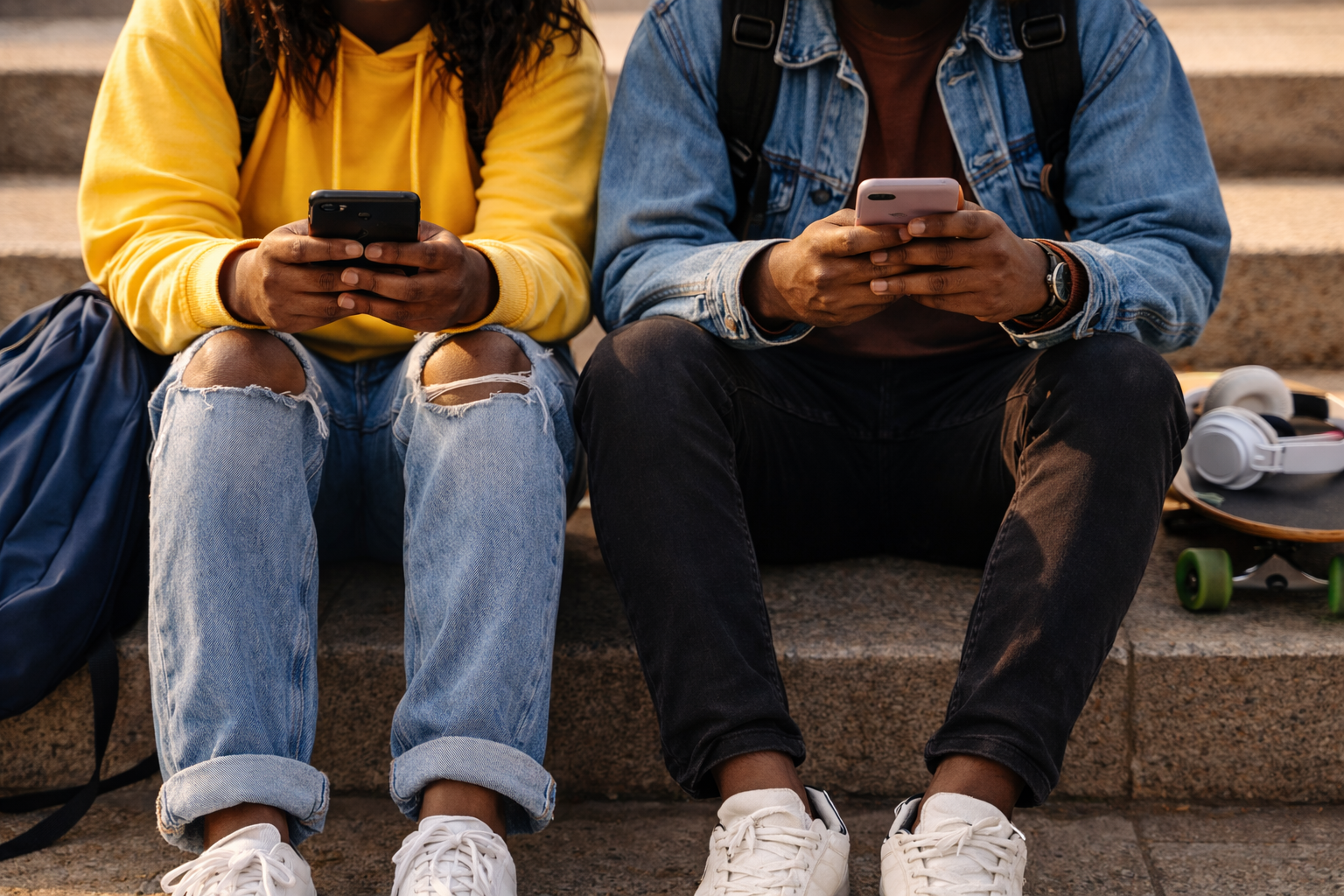
In a twist that few might have expected, a new global study has found that many young people are supporting restrictions on the very platforms they grew up using.
The research by Family First reveals that 51 per cent of Gen Z respondents worldwide support banning social media for children under the age of 16. In Kenya, that number is slightly higher at 53 per cent.
This is particularly striking because Gen Z is widely seen as the first generation to grow up fully immersed in the digital world. From group chats to trending challenges, social media has been a constant companion. Yet, despite this, many are now questioning its place in the lives of younger users.
The study suggests that lived experience may be shaping these views. Having grown up online, Gen Z has had a front-row seat to both the benefits and the downsides of social media, from connection and creativity to cyberbullying and screen addiction.
Support for the ban among Gen Z is strongest in India, where 73 per cent are in favour, followed by the United Arab Emirates at 67 per cent and Malaysia at 65 per cent. On the other hand, countries like Japan, the United Kingdom, and Canada show much lower levels of support.
Even so, Gen Z’s stance does not fully align with that of parents. In Kenya, for example, 64 per cent of parents support the ban, compared to 53 per cent of Gen Z and just 38 per cent of younger children. The generational gap remains clear, even if Gen Z appears to be acting as a bridge between the two sides.
According to Sunny Varkey, this shift in thinking among young people is significant.
“This research highlights a growing tension many families are experiencing in the digital age,” he said. “Parents throughout the world are increasingly concerned about the impact social media may be having on their children.”
He added that the conversation should go beyond simple restrictions.
“Our aim is not simply to debate bans, but to start a broader conversation about how technology is shaping family relationships,” he said.
The findings come as Australia leads the way with its under-16 social media ban, prompting other nations to consider similar policies.
Still, the idea of banning social media entirely is not without its critics. For many young people, social media is more than just entertainment. It is where friendships are formed, identities are explored, and voices are heard.
At the same time, there is a growing awareness that too much of anything, even memes and trending dances, can become overwhelming.
Perhaps that is why Gen Z’s position feels less like rebellion and more like reflection. They are not rejecting social media outright. They are simply asking a question that many adults have been struggling to answer for years: how much is too much?














Leave a comment