


Kenya relies on the Middle East for fuel supply, with close to KSh 570.4billion worth of petroleum products imported in 2025.
According to research by Standard Investment Bank(SIB), a blockade of the Strait of Hormuz (where 20% of global oil is shipped through) could potentially lead to supply constraints. If there is a hit on production facilities, the impact on both price and supply could be more severe.
Already, there are early indications as markets open that prices are creeping higher, with fears that crude oil prices could surpass the US$ 100 thresholds.
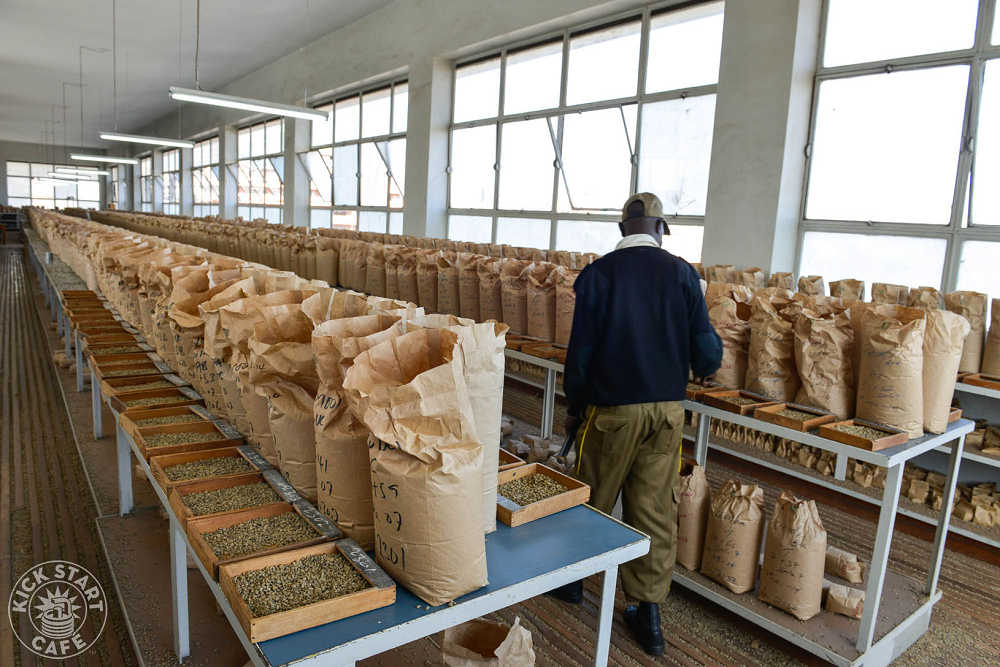
Kenya relies on the Middle East for its tea exports
Kenya is also heavily reliant on the Middle East as a major export market for its tea. Avocados are also sold in this market. Kenya uses the Suez Canal as the shortest route through the Middle East to reach Europe. The Middle East conflict, therefore, poses a threat to this trade component. Indeed, shipping companies such as Maersk, Hapag-Lloyd, and CMA CGM have reportedly begun rerouting vessels around Africa (through the Cape of Good Hope), away from the Suez Canal and the Bab el-Mandeb Strait.
In Kenya, listed firm Sasini is among those who have already reported difficulties in accessing Europe and the US markets for its avocado and macadamia fruits, owing to the logistical difficulties of reaching these markets through the Suez Canal. Other Kenyan exporters are likely to incur huge costs in reaching US, European markets if the current Israel-US war with Islamic Iran persists.
Kenya has already issued emergency alerts for its diaspora workers in the Middle East. It has also opened a 24-hour response centre to cater for safety and welfare of Kenyans who may be affected by the conflict.
SIB report warns that if the conflict lasts longer than expected, the potential displacement of Kenyan workers would not only pose a humanitarian crisis but would also potentially choke remittances.
The Middle Eastern region is also a growing source of foreign direct investment, with FDI liabilities coming in at KSh 41.2bn in 2023, as highlighted in the Central Bank’s 2024 Foreign Investment Survey Report.
As such, the potential of countries refocusing spending on military spending could be negative for Kenya.
Kenya month inflation is now at 4.3%. But this low rate could soon be toppled by the Geopolitical Storm infolding in the Middle East. In February 2026, Kenya’s headline inflation offered a moment of domestic calm, easing slightly to 4.3%. This cooling was driven by a softening in non-core inflation to 10.1% and marginal relief in the Transport (4.0%) and Housing/Energy (1.8%) sectors. However, this stability is now under immediate threat.
While the Central Bank of Kenya has put its foot down on the benchmark rate for months now, SIB warns that this reduction phase could soon end; the dispute may encourage the Monetary Policy Committee, the CBK policy think tank to hold the downward reduction momentum, at its next review meeting.
Despite these emerging risks, Kenya enters this crisis in much better shape. Reserves have been rising and are expected to hit 6 months’ import cover by the end of March 2026.
The Middle East is a major connecting hub for many major airlines and passengers, as well as the supply of goods and services. These supply routes may need to be altered, which may be problematic and likely more expensive.
Civilian aviation traffic has already been severely affected, with many airlines grounded and major airports in the region closed, with no visibility on when such an opening would occur. Kenya Airways has already temporarily suspended repatriation flights between Nairobi and Dubai citing advisory from UAE airport authorities, advising customers to check their flight details and ensure contact details are updated
According to Rotate (a Netherlands-based consultancy), global air cargo capacity is projected to have declined by 18% from the prior week due to flight suspensions by Middle East carriers and other carriers opting not to serve the Middle East.
ALSO READ: Nairobi Securities Exchange: Impact of the Ongoing Middle East Conflict











Leave a comment