

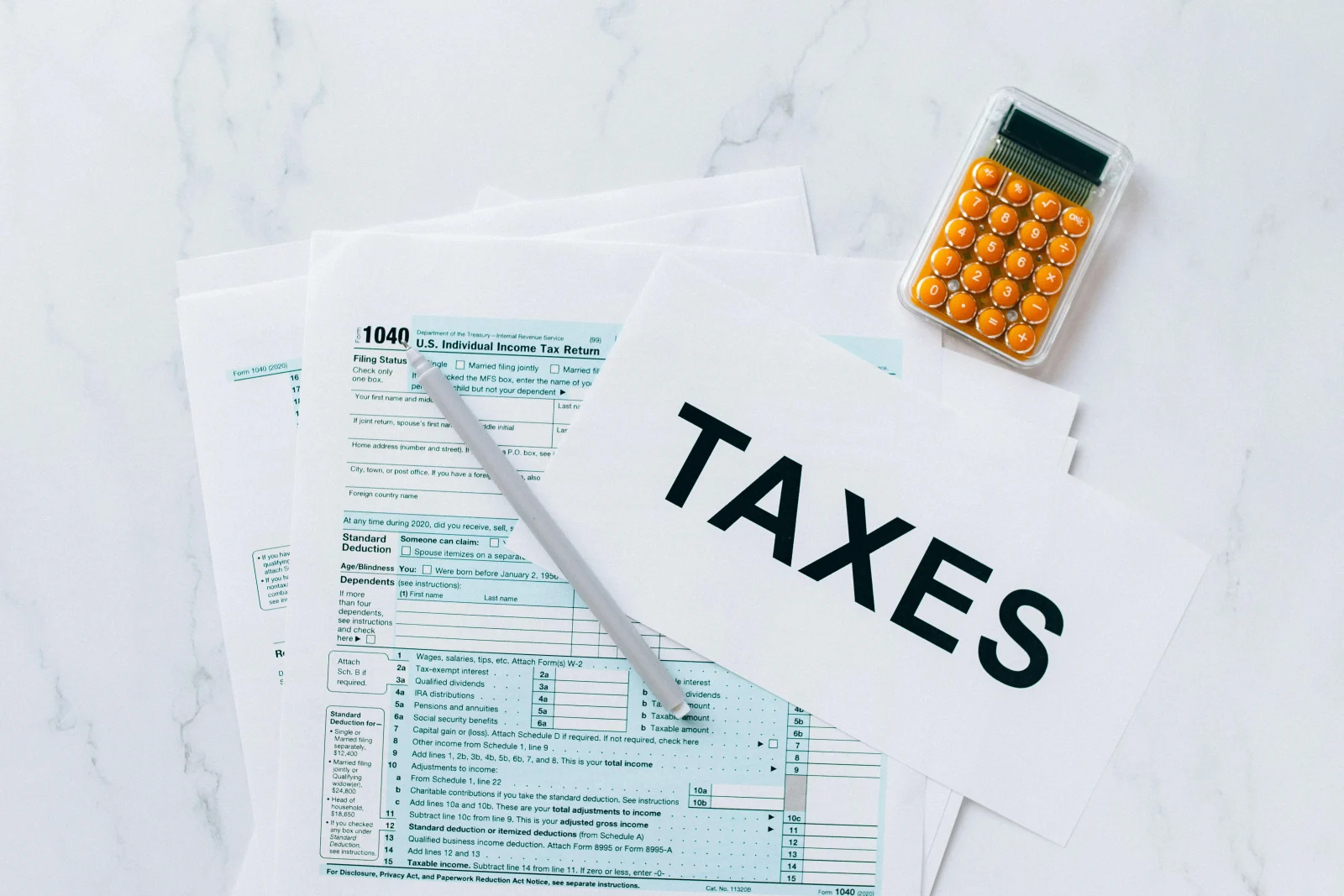
Calls for reducing taxes in Kenya have grown louder in recent years as citizens, business groups, and policymakers grapple with high living costs and slow economic growth.
Many Kenyans feel that the current tax burden, especially on salaries and consumption, leaves households with insufficient disposable income. Leaders, including President William Ruto and business associations, have signalled intentions to ease taxes like PAYE (Pay As You Earn) and VAT (Value Added Tax) to support workers and stimulate economic activity.
However, the government has been cautious. Before tax cuts can be implemented responsibly, several economic and fiscal conditions must be met to ensure the country’s finances remain stable and public services are not undermined.
1. Strong tax revenue collection
One of the clearest conditions set by the National Treasury is that the government must first expand the tax base and improve revenue collection before cutting taxes. Simply lowering tax rates without bringing more people and businesses into the tax net risks reducing revenue without compensating gains.
Currently, the Treasury is working closely with the Kenya Revenue Authority (KRA) to strengthen compliance and bring informal sector contributors into the formal tax system.
In the past, plans to reduce PAYE were shelved because KRA failed to meet its revenue targets, showing how inadequate revenue performance can make tax reduction unfeasible.
This condition reflects the basic reality that government services, infrastructure, and debt obligations still depend on adequate tax income. Without sufficient revenue, cutting taxes could undermine key public functions.
2. Fiscal stability and managing budget pressures
Kenya’s economy continues to face budgetary pressures such as debt servicing costs, infrastructure spending demands, and the need to fund social services.
The Treasury has explicitly warned that cutting VAT or income taxes without strengthening revenue mobilisation would “put severe strain on public finances.”
This means that before tax cuts materialise, the government must demonstrate that fiscal stability is maintained and that public spending needs can still be met.
Fiscal stability also matters because Kenya’s recent history shows that controversial tax increases have triggered major protests, forcing the government to retreat from unpopular revenue measures. Balancing revenue needs with public acceptance remains central to economic policy.
3. Clear policy framework and public support
Tax policy in Kenya is not made in isolation. Any serious proposal to reduce tax rates must be anchored in the National Tax Policy and Medium‑Term Revenue Strategy. This framework ensures that changes to tax laws are deliberate, evidence‑based, and aligned with broader economic goals.
Public and business engagement also matters. Groups like the Kenya Bankers Association (KBA) have put forward their own tax reform ideas, including lowering PAYE bands to increase take‑home pay and stimulate consumption. Their proposals illustrate the importance of consulting stakeholders and building consensus before any changes are enacted.
This condition helps ensure that tax policies are not only technically sound but also socially acceptable and supportive of economic growth.
4. Economic growth and fiscal space
Before cutting taxes, the government needs room within the economy called fiscal space to absorb the impact of lower tax revenue. This means that the economy should be growing reasonably well, with prospects of increased investment, jobs, and private sector activity that can eventually help recover any lost revenue.
For example, proposals to lower VAT from 16 per cent to 15 per cent and adjust income taxes are being considered only if economic conditions improve and tax administration strengthens. This reflects the principle that tax cuts work best when matched with economic growth that helps offset reduced government receipts.
5. Protecting public services and priorities
Kenya must safeguard essential public services such as health, education, security, and infrastructure. Reducing taxes prematurely, without securing alternative revenue sources or efficiency gains, could force deep cuts in public spending or increased borrowing, both of which have negative long‑term consequences.
This concern is particularly acute given high demands for development spending across sectors like roads, water access, and social safety nets. Any tax reduction plan must ensure that public services are not compromised and that investment in critical areas continues without disruption.
6. Improving tax compliance
Effective tax policy goes beyond rates. It also depends on a tax system that is efficient, transparent, and trusted by citizens. Improving compliance, meaning fewer people and businesses evade or avoid taxes, helps to broaden the revenue base.
Before cutting rates, the government wants stronger digital tax filing systems, better enforcement, and reduced loopholes. This protects revenue while ensuring fairness.
Plans to enhance compliance and expand coverage are part of the conditions the Treasury has outlined before any reductions in VAT or income tax can proceed.













Leave a comment