


Kenya Pipeline Company(KPC) released a Supplementary Information Memorandum and structural updates that will give the Uganda Government the right to appoint at least two directors to its Board.
What this Really Signals
Under the revised structure, the Government of Uganda will have the right to appoint at least two directors to the KPC board — provided it maintains a minimum 20% shareholding. This is seen as not cosmetic but a strategic move.
Why This Matters
KPC is no longer being positioned as a purely domestic midstream operator. It is being structured as a regional energy infrastructure platform.
Kenya remains the logistics gateway for petroleum products into Uganda, Rwanda, Eastern DRC and parts of South Sudan. Uganda’s participation formalizes what has already been economic reality — regional dependency on Kenyan infrastructure.
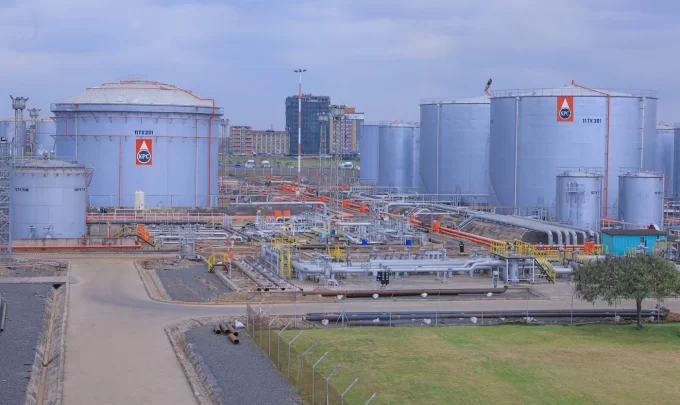
Kenya Pipeline Company in a strategic move to include Uganda on its Board
KPC Board representation ensure alignment of long-term pipeline expansion plans; protection of Uganda’s fuel security interests; coordinated infrastructure investments across borders and this also reduces geopolitical risk and strengthens long-term throughput visibility.
Uganda is already developing the East African Crude Oil Pipeline (EACOP) through Tanzania to transport crude from Lake Albert to the Coast. That pipeline is for crude exports.
On the other hand, Kenya Pipeline Company’s core business is refined petroleum product transport and storage within the region.
Uganda becoming a crude exporter could increase refined product imports in early years if domestic refining capacity remains limited. That supports continued utilization of regional product pipelines.
Having Uganda at the Kenya Pipeline shareholder level creates structural incentives to route more product volumes through the Kenyan infrastructure ensuring volume Security.
Cross-border shareholding at Kenya Pipeline Company also reduces the risk of sudden policy shifts that could divert flows elsewhere.
Uganda-Kenya Pipeline joint investment frameworks will become easier — including storage, cross-border links, and new product lines.
Regional infrastructure platforms typically command better long-term multiples than purely domestic utilities, especially when earnings visibility improves.
The Bigger Picture
This move signals that Kenya Pipeline Company is being positioned not just as a pipeline operator — but as a strategic East African energy corridor asset.
For long-term investors, the real question is not just IPO pricing.
It is this:
Does KPC evolve into the backbone of East Africa’s petroleum logistics network? If the answer is yes, then this is about long-duration infrastructure cashflows — not short-term listing hype.
According to CFA Dedan Maina, there are two major conversations around Kenya Pipeline Company. Uganda planning its own refinery and this has major implications. There is also a gradual shift globally as well as in the region toward green energy and Electric vehicles.
If Uganda successfully develops the Uganda Refinery Holding Company refinery in Hoima, some transit volumes that currently pass through Kenya could reduce over time.
But here is reality:
Refineries take years to finance and build. Regional trade is still expanding. Uganda remains dependent on Kenyan infrastructure today. That’s not an overnight disruption. Now add green energy into the equation.
Yes, Electric Vehicles adoption is growing. Companies like BasiGo and Roam are pushing electric buses and motorcycles. Kenya’s electricity mix is already largely renewable, which actually makes Electric vehicles a viable long term.
But transitions take decades. Heavy trucks still use diesel. Aviation still uses jet fuel. Used petrol vehicles still dominate imports. Regional fuel demand is still rising. So the real risk isn’t sudden collapse. It is gradual maturity.
If fuel demand growth slows over time because Uganda refines locally and EV adoption increases, then KPC doesn’t disappear. It stabilizes. And that changes how you value it.
But here is the deeper insight investors must start asking: How is KPC investing today? Is it expanding storage, diversifying into strategic reserves, strengthening regional logistics dominance or preparing for alternative fuels, LNG, hydrogen, or future energy transport?
Because infrastructure companies that survive transitions are the ones that pivot early. Pipelines, storage tanks, rights of way, logistics networks — these are not useless in a green future. They are transferable assets if management is forward-looking. So the question isn’t just: “Will EVs reduce fuel demand? It is how seamlessly can KPC evolve its infrastructure into the next energy model?”
That is where long-term value is protected.
As investors, we should not just study refinery timelines or EV growth rates but capital allocation discipline, strategic reinvestment and management foresight
That is how you distinguish a declining asset from an evolving one.
ALSO READ: Kenya Pipeline IPO is Now Open with 11.8Billion Shares Up for Grabs
.










Leave a comment