

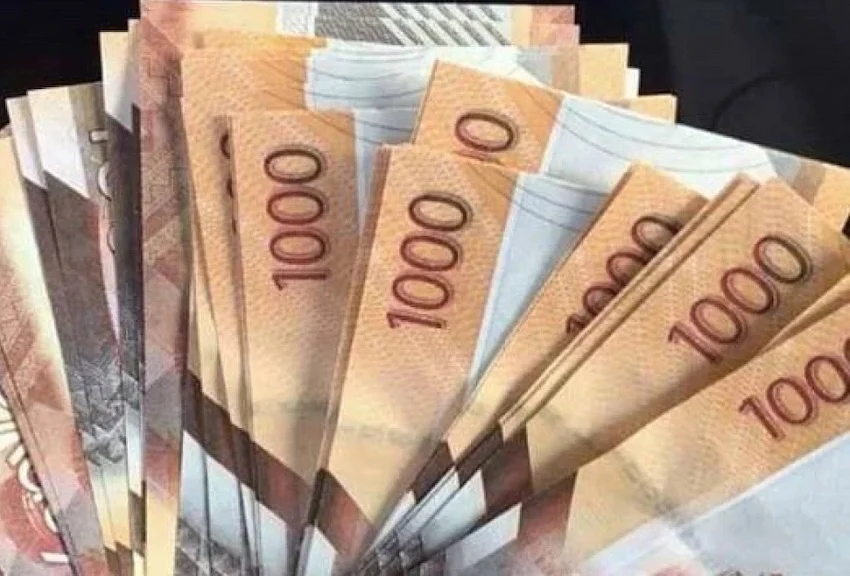
A furious and cut-throat competition to attract big depositors among Savings and Credit Cooperative Societies(SACCOs) could be creating a fertile ground for criminal but politically-connected individuals to breed and hide their ill-gotten wealth in this segment of Kenya’s rapidly growing financial sector.
A recent case involving a former Chief Officer at one County Government, who was forced to forfeit a whopping KSh 17.9 billion held in his Stima DT SACCO Account to the state’s Asset Recovery Agency, demonstrates how vulnerable SACCOs are to ill-gotten wealth from corrupt public officials and criminals.
“We have witnessed cases of people coming to us mostly at the end of the year and making huge deposits so as to earn high rebates. Others increase their share capital significantly so as to get high dividends. What we have done is pay dividends and rebates on a pro-rata basis, based on the period one’s cash has been with the SACCO up to a maximum of 12 months. This has treated the disease of someone reaping where they did not sow,” said Luncham Mugambi Nthigai, Chief Executive Officer, Trans-Nation Deposit-Taking SACCO.
He added that it is also educating retirees who invest their lump sum benefits on the need to wait for the 12 months’ period before earning their dividends or rebates.
Although SACCOs have stringent guidelines to report any suspicious deposits to the Financial Reporting Centre, SACCO Societies Regulatory Authority(SASRA) or Central Bank of Kenya, there is a weak enforcement regime that allows those who flout the rules, to get away with it. Kenya’s SACCO sub-sector has experienced rapid growth in recent years attracting wealthy individuals. Previously, collapse of many SACCOs has ruined the reputation of the sector, largely viewed as unregulated and unstable.
According to guidelines for Regulated Saccos On Combating Money Laundering, Terrorism Financing and Countering Proliferation Financing, any person who launders money within SACCOs is liable to imprisonment of a term not exceeding 14 years or a fine not exceeding KSh 5 million, or the amount of the value of the property involved in the offence, whichever is the higher, or to both the fine and imprisonment.
Experts opine that many SACCOs have weak financial controls to enable full compliance with such laid down rules such as the Anti-Money Laundering and Terrorism Financing (AMLTF) law. While SACCOs have been found to hold illicit cash, the regulator has yet to sanction any offenders or corporate bodies implicated.
What the regulator has done for SACCOs is to second a police officer from the Anti-Fraud Unit within SASRA, to ensure compliance. The weak enforcement of regulations has left the SACCO sub-sector open to abuse by criminals and unscrupulous individuals, especially those with political connections, keen to conceal their activities when moving huge amounts of cash, usually above KSh 1 million.
Apart from aggressive campaigns by SACCOs to attract depositors, these financial organizations also possess huge tracks of unsold plots of land, an ideal attraction to criminals and corrupt public officials, keen to hide their ill-gotten cash.
“We have laid down guidelines by the Central Bank of Kenya that require that any suspicious deposits are reported to the Financial Reporting Centre. We also have the legal obligation to follow the laid down anti-money laundering legislation as well as undertake Know Your Customer procedures before accepting any deposits,” said Joyce Ndegwa, Chief Executive Officer, Mentor DT SACCO Limited.
> Sacco Managers Divided Over Proposed Fund to Cushion Savers
SACCOs depend on members’ deposits so as to disburse affordable loans. This explains why SACCOs that are able to attract huge depositors, also stay on top of the heap, the source of these funds notwithstanding. The market now has SACCOS that organizes luxury trips and packages for its high savers, usually named at the Annual Delegates Meetings(ADMs).
Annual meetings of many Saccos have a session where top savers receive recognition and are hugely rewarded and acknowledged.
While the Banking Sector in Kenya has moved to tighten rules curbing the flow of dirty cash into banks, the same cannot be said of the Sacco sector which remains vulnerable. While the law on dirty cash flows is available, its enforcement within SACCOs through the Sacco Societies Regulatory Authority(SASRA), remains largely weak.
The law on money laundering within SACCOs is in the Anti-Money Laundering and Combating Financing of Terrorism Act (AMLCFTA), which mandates strict regulations on SACCOs to prevent them from being used as channels for laundering illicit funds; the regulatory body for SACCOs, the SACCO Societies Regulatory Authority (SASRA), enforces these compliance measures.
Dirty Cash Law
While the big SACCOs with huge dividend payouts and large balance sheets appear to be the prime targets of money laundering gangs, the smaller rural-based players are safer for now. “We do have the Know-Your Customer questionnaire that we use here in the SACCO to track deposits that are upwards of more than 400,000. We investigate to know where the cash has been gotten from because we are dealing with employees of tea factories. We are required by law to report any suspicious transactions to the Financial Reporting Centre as well as SASRA,” said Evelyn Moraa, Chief Executive Officer, Sotico DT Sacco.
The dirty cash law requires that SACCOs report suspicious transactions to the relevant authorities, including large cash deposits, unusual activity, and transactions linked to known criminals. These Societies are required to conduct thorough customer identification procedures, including verifying identity documents and assessing the source of funds for high-risk customers.
They are mandated to adhere to strict record-keeping practices so as to track transactions and customer information, allowing for potential investigations by authorities. SACCOs that fail to comply with AMLCFTA regulations can face significant penalties, including fines and potential legal action. Staff members of SACCOs must undergo regular training on AMLCFTA regulations and how to identify potential money laundering activities.
The anti-money laundering law requires the designated institutions to report all cash transactions exceeding $10,000 (Sh1 million) or its equivalent in any other currency to the Financial Reporting Centre(FRC).
> Kenya, Saudi Arabia Partner to Enhance SME Funding
Previously, SACCOs were not legally bound to report such transactions. The dirty cash law previously applied to commercial banks, insurance, forex bureaus and remittance service providers. These organizations are subject to this reporting requirement under the oversight of the Central Bank of Kenya (CBK).
Other oversight bodies mandated to report large and suspicious transactions are the Institute of Certified Public Accountants of Kenya (ICPAK), the Estate Agents Registration Board, the NGO Coordination Board and the Betting Control and Licensing Board.
Unregulated sectors such as motor vehicle dealerships, real estate, dealers in precious metals and stones also report to the FRC. The law requires that all Reporting institutions are also legally required to indicate in the report to the FRC the personal details of a customer, account details, descriptions of a transaction, amount involved and the currency of the transaction.
















Leave a comment