

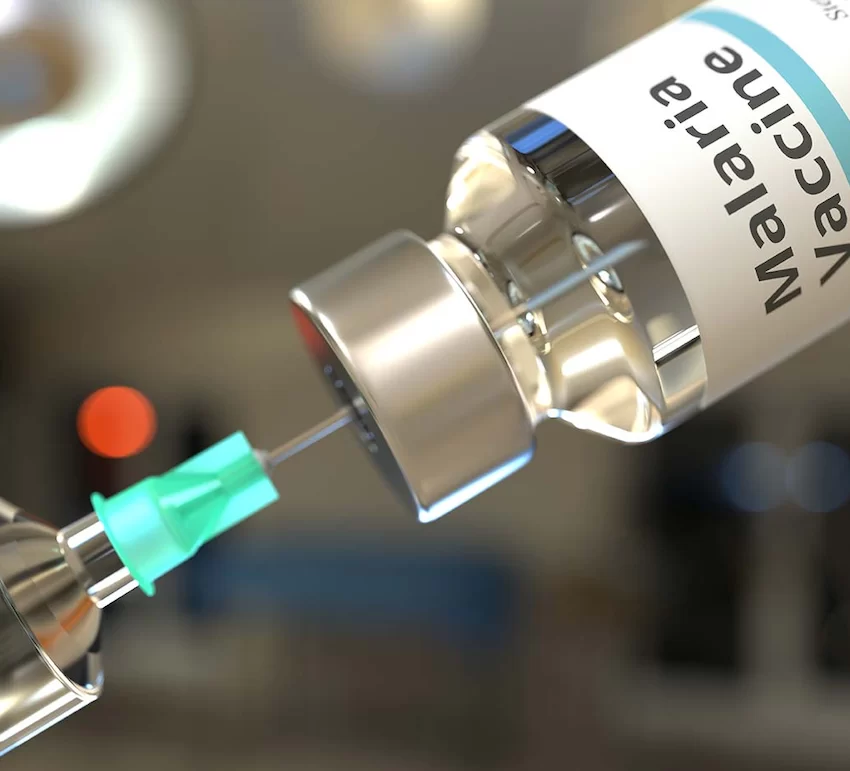
Uganda’s Ministry of Health, with support from Gavi, the Vaccine Alliance (Gavi) and Alliance partners UNICEF, the World Health Organization (WHO), PATH and CHAI, on 2nd April rolled out a malaria vaccine campaign in Apac District, northern Uganda. This makes Uganda the 19th country in Africa to introduce the malaria vaccine into routine immunisation, and it is the largest malaria vaccine roll-out to date in terms of target districts and population.
The R21/Matrix-M malaria vaccine, administered in four doses at 6, 7, 8 and 18 months, will initially target 1.1 million children aged under two years in 105 high- and moderate-transmission districts across Uganda, with plans to expand nationwide.
Apac District is reported to have the highest number of mosquito bites per person globally (over 1,500 bites per person annually). Malaria is the leading cause of illness and death among young children in Uganda, responsible for up to 33% of all outpatient visits, 22% of hospital admissions and 6% of deaths, according to 2023 data from WHO. In 2023, Uganda was among the top five African countries with the highest malaria burden, alongside Nigeria, Democratic Republic of the Congo, Ethiopia and Mozambique.
“The introduction of the vaccine marks a significant milestone in our fight against malaria,” The Minister of Health, Dr Jane Ruth Aceng Ocero, said. “It is expected to prevent at least 800 cases of severe malaria among children every day and ease the financial burden on families, saving them approximately UGX 15,000 per case that would have been spent on treating severe malaria.”
> False Prophet Nabbed in Kilifi Kenya
Gavi coordinates the global malaria vaccination programme, providing essential financial support for the procurement, transport and roll-out of doses. To date, Gavi has supported 19 African countries in integrating the malaria vaccine into routine immunisation programmes. By collaborating with countries and partners, Gavi ensures the delivery of malaria vaccines as part of a comprehensive malaria control strategy.
Gavi’s model relies on co-financing, meaning that countries contribute to the cost of their own vaccines, paying progressively more as their income rises to the point where they fully pay for their own programmes. Future support for its global malaria programme is dependent on Gavi securing sufficient funds for its next five-year strategic period starting in 2026, however; and any shortfall in funding will result in programmes being cut back, leading to preventable deaths and a greater threat to global health security.
Dr Sania Nishtar, CEO of Gavi, said with one of the highest malaria incidence rates globally, Uganda faces a relentless battle against this deadly disease that has devastated families and communities for far too long. The malaria vaccine, proven safe and effective, saves lives and prevents hospitalisations, Dr Nishtar said.
“However, without sustained financial support, these life-saving efforts could falter, leaving millions of children vulnerable and undermining the progress made so far. Continued funding is crucial to sustain and expand these efforts, ensuring that more children are protected, and more countries benefit from this vital tool.”
UNICEF, responsible for the procurement and air freighting of the vaccines and raising awareness within the community to enhance demand for vaccines, reaffirmed its commitment to child health and immunisation efforts in Uganda.
“UNICEF is proud to support Uganda’s historic roll-out of the malaria vaccine, which represents a significant milestone in our collective efforts to protect children from this deadly disease. This vaccine must be combined with existing preventive measures, and this combination of preventive measures will create a powerful shield against malaria. We urge all parents and caregivers to ensure their children receive all four doses of this life-saving vaccine as part of Uganda’s routine immunization services,” said Dr Robin Nandy, UNICEF Representative to Uganda.
Dr Kasonde Mwinga, WHO Representative to Uganda said this marks a historic turning point in Uganda’s fight against malaria. By integrating the malaria vaccine into routine immunization, Dr Mwinga said, Uganda is taking a bold step to protect its children, save lives and secure a healthier future. This vaccine is a game-changer, and together, we must ensure that every child receives it,” said.









Leave a comment