


In 1984, Michael Jordan, a then-basketball rookie, signed up to an endorsement contract deal with global sports apparel giant, Nike. At the time, the company lagged well behind Adidas and Converse in the basketball market. The five-year endorsement deal, worth $2.5 million for the rising star, created waves that would transcend generations of footwear lovers across the globe.
One year into the deal, Nike raked in more than $100,000 in sales of the new ‘Air Jordan’ trainer. Today, the Jordan brand is a multi-billion-dollar business with a wholesale revenue worth billions, taking Nike from having a 17% share of the basketball market in 1984 to 86% of the basketball performance shoe market, and 96% of the lifestyle basketball market.
>> Nairobi Lady Living the e-Commerce Dream in Grocery Business
The Nike-Jordan deal, portrayed on screen in a film titled ‘Air’, changed the way that brands worked with individual athletes on a marketing level, and transformed the way that athletes were remunerated for their image rights – allowing athletes around the world to bank on their likeness for decades to come.
As per the contract, Jordan was to receive a percentage cut of all shoes sold under the brand. With an incredibly successful career on the court, Jordan amassed a net worth of $2.1 billion – most of which came from brand endorsements. .
In 2015, rapper Kanye, also known as Ye, paired up with Adidas to produce a line of lifestyle trainers. The ensuing Yeezy brand was, initially, a huge success, bringing in around €1.2 billion in annual revenue for Adidas, and €500 million in operating profit.
Beyonce Gisele Knowles Carter, a globally-acclaimed American recording and performing artiste, recently unveiled her haircare line. As the cover star of Essence magazine’s March/April 2024 issue, the songstress candidly shares her experience with different hairstyles and her longtime struggles with psoriasis.
Meanwhile, more and more Kenyan celebrities are seeking to ascend to the heights of moguldom, following the paths forged by global stars like Rihanna, Jay-Z, Sean Combs (PDiddy), Dr Dre, Oprah, George Clooney and the Kardashians.
Local celebrities like Wahu (beauty), Nonini (footwear), Amani (hairline), Akothee (tourism), Size 8 (hairline), Betty Kyalo(beauty), King Kaka, Nyota Ndogo(food), Nameless (clothing line), Lulu Hassan (entertainment), Huddah Monroe (beauty) and the likes have been leveraging their fame, influence and resources to bag the extra coin.
However, most have found it challenging to navigate the complexities and risks associated with managing their public image, brand endorsements, and financial investments to ensure long-term success and sustainability.
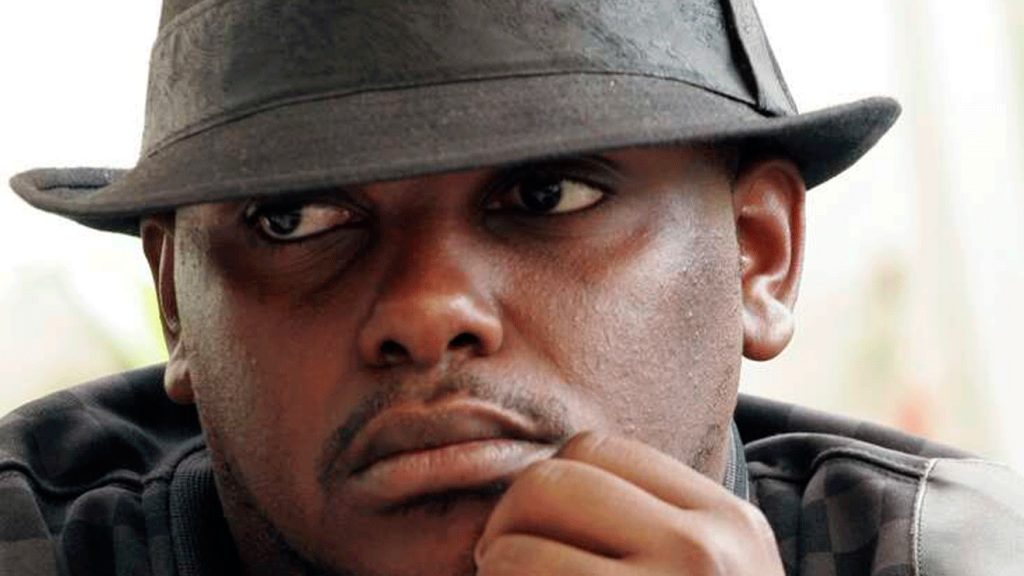
Just how successful are brands founded by stars? Celebrity name recognition can quickly attract first-time customers; an initial purchase is almost guaranteed because consumers are eager to try it out. However, for sustained success, the product must deliver on its promises, encouraging repeat purchases.
Kenyan celebrities have been seen as brands in their own right. Although singers Nyota Ndogo and Wahu frequently post about their business ventures on social media, many of our local stars aren’t engaging sufficiently beyond the initial hype of product launches. They rarely showcase their products on their platforms. Leaving fans wondering whether their ventures flopped on arrival.
>> From Popcorn Hawker to Owner of Beauty Empire
If you visit Rihanna’s Facebook page, as much as a super star she is, she is committed to incorporating Savage Fenty in her lifestyle. She creates uncurated content, she goes live to show you she’s doing her makeup, she even shows the behind-the-scenes of her on set. Rihanna has over the time shown and proved to us that she indeed uses her products and this has made her the richest female musician in the world.
Having millions of Instagram followers and YouTube subscribers does not directly generate sales. You need to show and connect. I want to feel like I personally know Nonini while rocking the streets on his recently-launched slides. I want to feel connected to Nameless while rocking on his hoodie. My girlfriend wants to feel like she’s Huddah’s closest confidante while glowing in the red lipstick.
In order to generate sales, unwavering consistency in product placement and human connection is key.














Leave a comment