

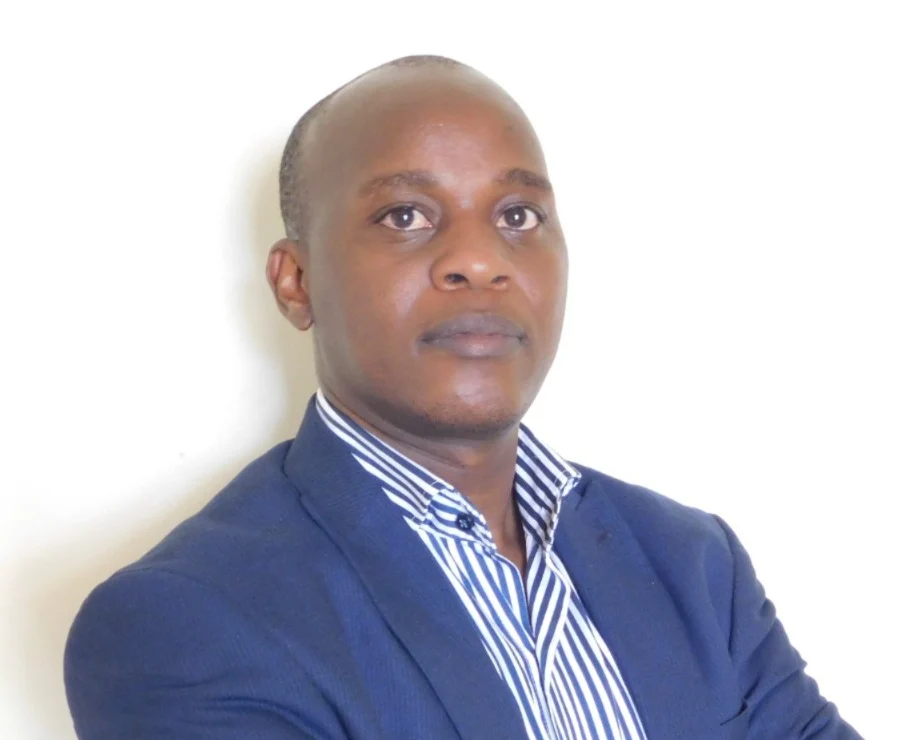
By Albanus Muthoka
You’re earning Ksh300,000 a month. Maybe more. On paper, you should be set for retirement. Yet when you run the numbers, the picture looks uncomfortably different. Welcome to the paradox of being a High Earner, Not Rich Yet (HENRY)—a growing demographic of Kenyan professionals who make good money but find themselves nowhere near retirement readiness.
HENRYs typically earn between Ksh250,000 and Ksh1 million monthly but face a unique set of challenges. Unlike lower-income earners who benefit from chamas with modest monthly contributions, and extended family support networks that share financial burdens, and unlike the truly wealthy who have diversified income streams and substantial assets, HENRYs occupy an uncomfortable middle ground. They’re expected to be the family safety net—the one who pays school fees for nieces and nephews, covers medical emergencies for aging parents, and bankrolls community events—yet they’re building wealth from scratch themselves.
Another problem? Lifestyle inflation moves lockstep with income growth. That promotion to senior management comes with expectations—a better car, a home in a high-end estate, private schools for the kids, international holidays. Before you know it, you’re spending 90% of what you earn, despite making ten times what the average Kenyan household does.
Financial planners use the income replacement ratio as a benchmark: you’ll need approximately 70-80% of your pre-retirement income to maintain your lifestyle in retirement. If you’re currently earning Ksh500,000 monthly, that means you need to generate Ksh350,000 to Ksh400,000 per month for potentially 20-30 years after you stop working.
Let’s do the sobering calculation. Assuming you retire at 60 and live to 85, you’ll need approximately Ksh105 million to Ksh120 million in today’s money. Even accounting for inflation and investment returns, your NSSF contributions—now at Ksh12, 960 monthly—will barely scratch the surface. According to the Retirement Benefits Authority, the average pension fund in Kenya delivers returns of 8-12% annually, but most HENRYs aren’t contributing nearly enough to their voluntary pension schemes to bridge this gap.
Kenyan HENRYs face what I call the triple squeeze. First, they’re supporting aging parents who didn’t have robust pension systems. Second, they’re funding expensive education for their children in competitive private schools and universities. Third, they’re maintaining lifestyles that signal their professional status. A senior manager clears Ksh600,000 monthly, but between school fees for three kids, mortgage, and basic upkeep, she is saving less than her junior does proportionally.
Most HENRYs focus on short to medium-term goals—buying land, building a home, starting a side business—and push retirement planning to “later.” But later arrives faster than expected. The Rule of 72 demonstrates this clearly: at an 8% annual return, your money doubles every nine years. So, a 35-year-old HENRY who delays serious retirement savings by just five years loses an entire doubling cycle—effectively cutting their potential retirement fund in half.
A better path forward
The traditional 50/30/20 budgeting rule (50% needs, 30% wants, 20% savings) needs adjustment for HENRYs. Aim instead for 50/20/30: 50% for essential needs, 20% for lifestyle and wants, and crucially, 30% toward savings and investments. This is aggressive, but necessary given your higher income and retirement expectations.
On a KES 500,000 monthly income, this means directing Ksh150,000 toward your financial future. Break this down to Ksh50,000 to a registered individual pension plan, Ksh40,000 to equity investments through a diversified portfolio or unit trusts, Ksh30,000 to a money market fund for liquidity and emergencies, Ksh30,000 to additional investments such as SACCOs, bonds, or systematic debt repayment.
Then, assess how much you actually need to retire. The 25x rule provides a simple answer: multiply your desired annual retirement income by 25. If you want Ksh400,000 monthly (Ksh4.8 million annually) in retirement, you need approximately Ksh120 million in invested assets. This assumes a 4% safe withdrawal rate, meaning you can draw 4% of your portfolio annually without depleting it over a 30-year retirement.
Working backward from this target, a 35-year-old HENRY needs to save approximately Ksh120,000 monthly at an 8% return to reach Ksh120 million by age 60. If that sounds impossible, consider that it’s only 24% of a Ksh500,000 salary—well within the modified 50/20/30 framework.
To ensure you remain disciplined, automate everything. The biggest enemy of retirement savings is discretionary spending masquerading as essential. Set up automatic transfers the day your salary hits your account. Treat your retirement contributions like you treat your rent—non-negotiable. If you don’t see the money, you won’t spend it.
Finally, yes, buy that plot or investment property, but don’t stop there. A well-balanced retirement portfolio for a Kenyan HENRY might look like this: 40% equities, 25% pension funds, 20% real estate, 10% money market funds, 5% alternative investments. This diversification protects you from sector-specific downturns while capturing growth across multiple asset classes.
Being a HENRY in Kenya is both a privilege and a challenge. You have the income to build substantial wealth, but also the pressure to maintain appearances and meet multiple financial obligations. The difference between retiring comfortably and working until you physically cannot lies in the decisions you make today.
Mr. Muthoka is the Manager, Enwealth Trustees Limited
Read: Standard Chartered Kenya Names Sanghrajka CEO as Ngari Retires
>>> Kenya Railways Races to Liquidate Estates Amid Mounting Pressure from Retirees












Leave a comment