

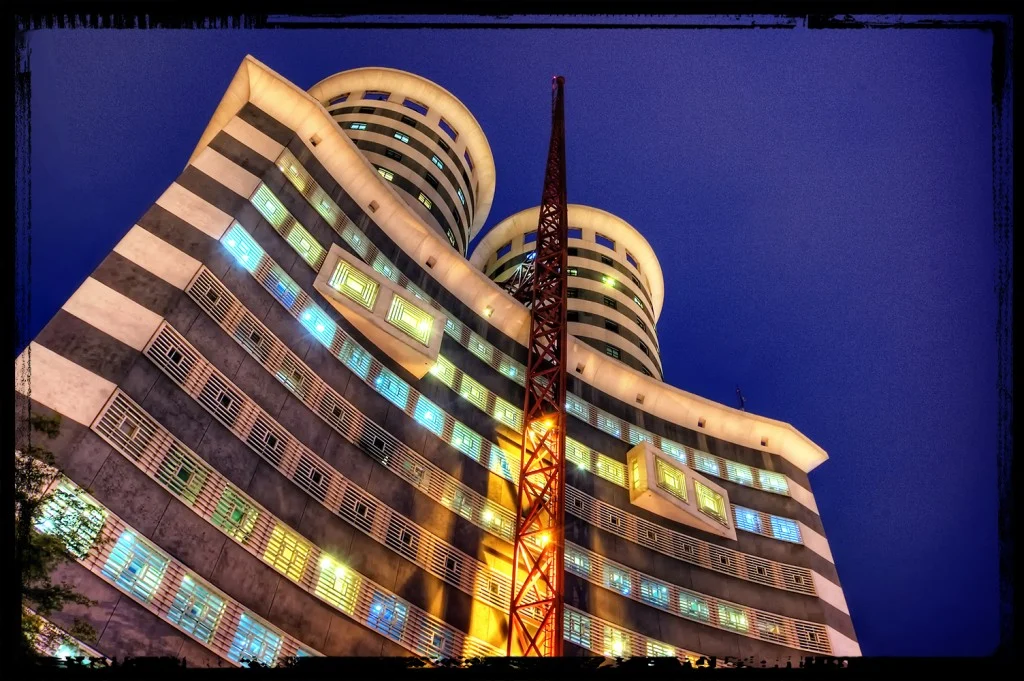
A seismic shift in East Africa’s media landscape quietly made headlines on March 10, 2026. After 66 years of ownership and stewardship, the Aga Khan Fund for Economic Development has sold its controlling 54.08 per cent stake in Nation Media Group to Taarifa Ltd, a company owned by Tanzanian billionaire Rostam Azizi. This marks the end of one of East Africa’s longest institutional media partnerships and opens a new chapter filled with both promise and uncertainty.
This is not just another corporate transaction. It is a change that the region’s media industry and the millions who rely on independent journalism will feel for years to come.
The closing of a historical chapter
For more than six decades, the Aga Khan’s backing gave Nation Media Group a unique position in East Africa’s public life. From the early days of Taifa Leo to the multi-platform media empire it is today, encompassing newspapers, television, radio, and digital platforms across Kenya, Uganda, Tanzania, and Rwanda, the fund’s ownership was about more than profit. It was about independent journalism, civic education, and fostering a sense of regional consciousness.
The Aga Khan Fund’s exit was not entirely unexpected, as the organisation has been refocusing its investments, but the symbolism is profound. This was not merely a sale of assets. It was the passing of a torch from a development-driven investor to a regional business heavyweight. The question many are already asking is what kind of vision and leadership will carry the legacy forward.
The man in the driver’s seat
Rostam Azizi is not a stranger to media or to East Africa. He has built a broad portfolio across energy, telecommunications, real estate, and construction. He also co-founded a major Tanzanian media company and has longstanding experience in regional business ventures.
Azizi has publicly committed to maintaining editorial independence while injecting capital into Nation Media Group’s digital transformation. He has also promised not to force out remaining shareholders or delist the company. While this is reassuring, the real test of his stewardship will come in the form of headlines.
Editorial independence is not guaranteed by press statements but is demonstrated every time the newsroom publishes a story that challenges powerful interests, including those connected to the owner.
Survival in a challenging media economy
The media business today is brutally competitive. Print revenues are declining rapidly, and digital platforms have completely changed the way people consume news. Even major media brands are under pressure to innovate while remaining financially sustainable.
Nation Media Group is no exception. Its reach is impressive, with millions of readers and viewers across East Africa, but converting attention into sustainable revenue remains a challenge. Azizi’s investment signals an understanding of this reality. The focus on digital growth, mobile platforms, content monetisation, and regional distribution is critical if the company is to thrive in a digital-first world. The challenge will be to balance commercial priorities with the journalistic depth that has long defined Nation.
Editorial independence: A delicate test
Perhaps the most critical question is whether editorial freedom will continue under new ownership. Nation Media Group has earned a reputation for holding power to account and reporting fearlessly on elections, governance, and corruption. That reputation has made the company not just a media business but a civic institution.
Azizi’s commitment to preserving editorial independence is encouraging, but history reminds us that subtle pressures can influence coverage.
Newsrooms must remain vigilant to ensure that stories about powerful allies, business interests, or government entities are treated with the same rigour and courage that built the Nation’s reputation in the first place.
Regional integration and opportunity
The sale also reflects a broader trend of regional integration in East Africa. With a Tanzanian investor controlling a Kenyan media giant that operates widely across the region, the flow of news and information mirrors the increasing interconnectedness of East African economies. This creates opportunities for more comprehensive regional coverage, cross-market content innovation, and multi-country advertising strategies.
At the same time, operating across borders brings complexity. Reporting on governance, elections, and public policy in multiple countries carries risks and potential pressure points, which the new leadership will need to navigate carefully to maintain credibility and influence.
The path ahead
Under the new ownership, Nation Media Group could take several paths. A revitalised focus on digital platforms could expand reach and relevance. Regional collaboration could deepen East African storytelling. A strong commitment to editorial independence could reinforce trust with readers and viewers. Meanwhile, a sharper focus on business sustainability could secure the company’s financial future.
The coming months and years will reveal whether this transition becomes a renaissance for one of the region’s most respected media organizations or a cautionary tale about the challenges of balancing commercial imperatives with journalistic integrity.
The sale of Nation Media Group to Rostam Azizi marks a pivot rather than an ending. The media house of the future will need to be more digital, more regionally integrated, and financially sustainable. At the same time, it must remain a trusted voice for citizens and a platform for independent reporting.
The story is far from over. The chalkboard is clean, and the next chapter awaits. Success will depend on vision, investment, and a newsroom that continues to ask the difficult questions, even when the answers are uncomfortable.








Leave a comment