

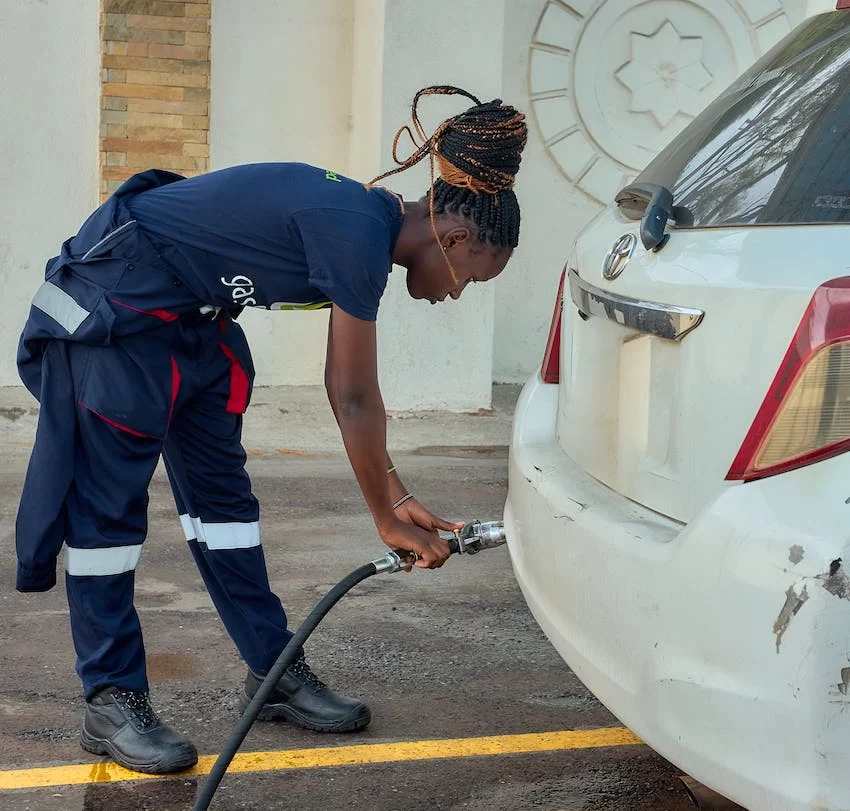
As East Africa grapples with the twin pressures of rapid urbanisation and population growth, demand for reliable energy has surged. In countries like Kenya, Tanzania, and Uganda, demand has traditionally been met with petrol and diesel — fuels that have long powered economic development but left in their wake toxic air, climate-warming emissions, and a growing burden on public health systems.
Now, a local company is offering an alternative. Gasfil, a Nairobi-based energy company, is positioning itself as a regional leader in clean transportation fuels, with a focus on liquefied petroleum gas (LPG). The company is investing in infrastructure and partnerships that aim to wean the region from conventional fuels by delivering LPG to underserved urban and rural areas alike.
“In many East African countries, greener fuels remain out of reach due to poor infrastructure and fragmented supply chains,” said James Macharia, Gasfil’s managing director. “We’re addressing that gap by building a distribution network that ensures LPG reaches the communities that need it most.”
While LPG is often associated with household cooking, its application in transportation is gaining traction globally — and Gasfil believes it is especially well-suited for East Africa. LPG burns significantly cleaner than petrol or diesel, reducing harmful pollutants and greenhouse gas emissions. It also tends to lower vehicle operating costs, a critical consideration in price-sensitive markets.
> The Role of Smart Energy in Efficient Homes of the Future
Gasfil’s current investments go beyond fuelling stations. The company is developing last-mile delivery systems, retail outlets, and partnerships with local businesses in a bid to embed itself into the day-to-day energy needs of East Africans. That localised approach, Macharia said, is key to overcoming the logistical barriers that have long plagued energy access in the region.
The effort also aligns with broader international climate goals. As nations pledge to cut emissions under global agreements like the Paris Accord, initiatives like Gasfil’s offer practical, scalable solutions in parts of the world where energy access and sustainability must go hand-in-hand.
Experts say the transition to cleaner fuels in Africa requires more than imported technologies: it demands an intimate understanding of local needs, economics, and geography. Gasfil’s model, built around accessibility and affordability, may provide a blueprint for how clean energy transitions can unfold in emerging markets.
In a region where energy solutions are often imported and ill-suited to local conditions, Gasfil’s bet on LPG — and on the power of local infrastructure — represents a homegrown approach to one of East Africa’s most pressing challenges.
> Family Bank Mobilises ksh14.7 Billion for Women and Youth










Leave a comment