


Many Kenyans have recently complained that the number of electricity units they receive when buying tokens has reduced, even though they are paying the same amount of money.
Kenya Power has now explained the situation, saying the change is linked to electricity tariffs, infrastructure costs, and deductions used to recover unpaid bills.
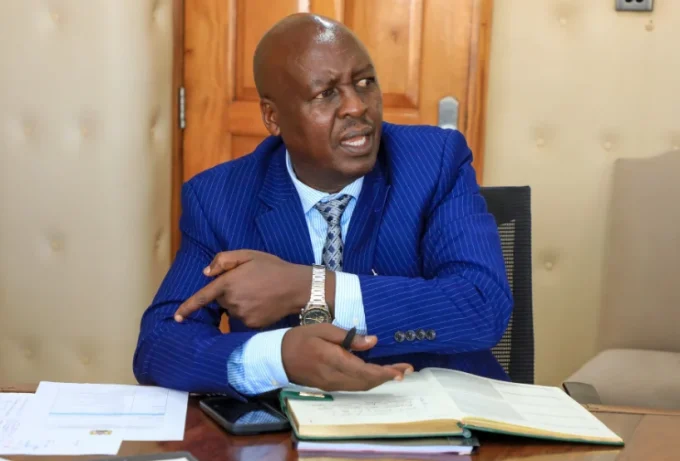
In an interview on a local TV, Kenya Power CEO Joseph Siror said the belief that electricity in Kenya is too expensive often depends on how much electricity a household consumes and the kind of appliances being used at home.
“The perception that electricity is expensive is subjective. If you turn on five or ten bulbs that are 5 watts each, that is about 50 watts. If you ran them for 20 hours, you would still be within the lifeline category. That would just be about a single unit, which costs roughly Ksh12 and about Ksh16 with taxes,” Siror said.
He explained that homes that use very little electricity are usually placed under the lifeline tariff, a subsidised category meant for households with low power consumption. Customers in this category pay less per unit compared to those who consume more electricity every month.
However, Siror noted that electricity bills increase quickly when households begin using power-intensive appliances. Items such as water pumps, electric cookers, heaters, and other large appliances can significantly raise the number of units used.
According to the CEO, the cost of electricity in the country also reflects the huge investment required to produce and distribute power across the national grid. He said building and maintaining the infrastructure that carries electricity to homes and businesses is expensive.
“If you look at electricity infrastructure, it reaches your doorstep. Putting up and maintaining that infrastructure is quite expensive. Much of our energy is green, like geothermal, which requires significant investment,” he explained.
Kenya generates a large portion of its electricity from renewable sources such as geothermal, hydro, and wind power. While these sources are cleaner and more sustainable, constructing geothermal plants and the transmission lines needed to move electricity across the country requires billions of shillings in investment.
Reduced tokens
The explanation comes after several customers complained online that they were receiving fewer electricity units despite buying tokens worth the same amount as before.
On February 25, 2026, Kenya Power responded to a customer who said that Ksh 3,000, which they previously bought for more than 115 units, was now being purchased for about 94 units, meaning a drop of more than 20 units within a short period.
The company said one possible reason is automatic deductions made to clear outstanding bills. According to Kenya Power, up to 20 per cent of the money paid for tokens can be used first to settle arrears before the remaining balance is converted into electricity units.
For example, if a customer buys tokens worth Ksh 3,000, about Ksh600 may be used to clear past bills, leaving the remaining amount to purchase electricity units.
The utility firm also explained that the number of units received can change depending on a household’s monthly consumption.
Homes that use more than 100 units are moved to a higher domestic tariff category, meaning the same amount of money will buy fewer units.
Kenya Power says customers can reduce their electricity costs by monitoring their consumption and using energy-efficient appliances at home.











Leave a comment