

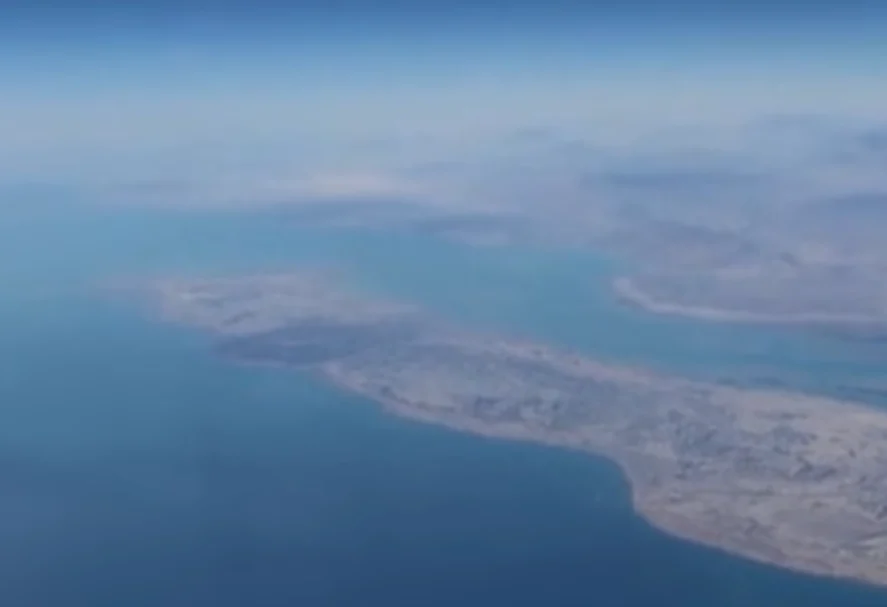
Tensions between Iran, the United States, and Israel have entered a dangerous phase. Military exchanges and direct threats have shifted the crisis from political rhetoric to direct economic risk. The situation escalated further after the Strait of Hormuz was attacked, targeting vessels moving through the critical oil transit corridor.
Financial markets reacted immediately. Oil prices began rising sharply as traders responded not just to the threat of disruption, but to an actual security incident in one of the world’s most important energy routes.
This is no longer just a geopolitical standoff. Energy markets, shipping routes, insurance premiums and inflation forecasts are being affected. The Strait of Hormuz, a narrow but critical passage for global oil flows, is now at the centre of the economic fallout.
Why the Strait of Hormuz matters
The Strait of Hormuz is one of the most important energy corridors in the world. Nearly a fifth of globally traded crude oil passes through this narrow waterway, which connects the Persian Gulf to the Arabian Sea. Major producers in the Gulf depend on it to export oil to Asia, Europe and North America.
There is no easy replacement for this route. While some alternative pipelines exist, they cannot carry the same volume. When the strait was attacked and vessel movement was disrupted, the impact on global supply risk was immediate.
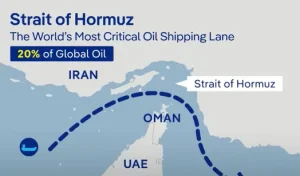
Iran has previously threatened to block or disrupt the Strait during periods of conflict. The latest attack has moved the risk from warning to action, intensifying concerns about supply security.
Oil prices already moving
Crude prices climbed following confirmation of the attack in the Strait of Hormuz. Markets react quickly to supply shocks, especially when they involve the Gulf region.
When conflict directly affects oil transit routes, investors add a “risk premium” to prices. This reflects the possibility of further disruption. Even limited incidents can tighten supply expectations and push prices higher.
Analysts warn that continued instability in the strait could push crude oil prices higher. A broader disruption would likely trigger a sharper surge, affecting fuel prices worldwide.
Impact on shipping and insurance
Beyond oil itself, shipping has already felt the impact. Tanker operators are reassessing routes following the attack. Some vessels have delayed passage through the strait pending clearer security conditions.
Insurance companies have increased war-risk premiums for ships transiting the Gulf. Higher insurance and freight costs are being passed down the supply chain. This means energy-importing countries could face higher landed costs even without a full closure of the waterway.
Delays in shipments can tighten supply in the short term, pushing spot prices higher and creating volatility in commodity markets.
Inflation and global growth risks
Higher oil prices do not stay confined to energy markets. Fuel costs influence transport, manufacturing and electricity production. When oil rises after a disruption, businesses pay more to move goods. Consumers pay more at the pump. Food prices can increase due to higher transport and production expenses.
For economies already battling inflation, this adds new pressure. Central banks may be forced to keep interest rates higher for longer, which can slow economic growth. Emerging markets that rely heavily on fuel imports are especially vulnerable.
Countries in Africa, including Kenya, could feel the impact through higher pump prices and increased import bills. That would affect household spending and business margins.
What the attack could mean going forward
The attack on the Strait of Hormuz has introduced real supply risk into global energy markets. If further incidents occur or vessel traffic remains constrained, oil prices could remain elevated.
Strategic petroleum reserves held by major economies may be used to ease temporary shortages, but those measures are limited. A prolonged disruption would reshape global trade flows and place sustained inflation pressure.
Energy-importing nations in Asia would face immediate supply concerns. Europe, which remains sensitive to energy disruptions, would also experience renewed strain.
At the same time, a prolonged and complete closure of the strait would affect all exporters using the route, including Iran. That economic reality may influence the scale and duration of further escalation.













Leave a comment