

Kenya is quietly opening the door to what could become one of the most lucrative mineral deals in its history, and the world is already lining up.
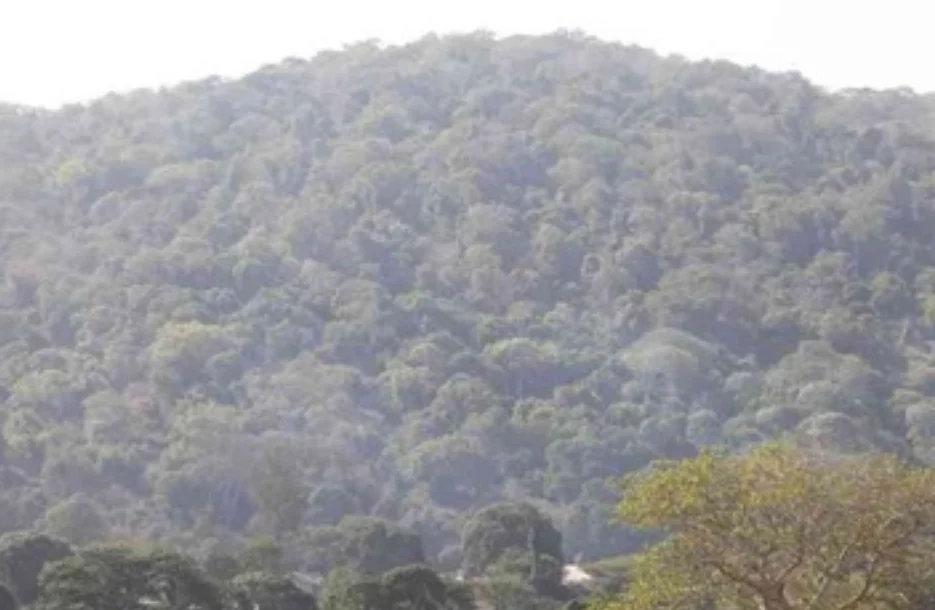
Deep in Kwale County, the long-whispered riches of Mrima Hill are finally moving from geological reports into boardroom negotiations, after the government formally invited global investors to compete for mining rights in the area. What is at stake is not just another extractive project, but a resource estimated at a staggering $64 billion (about Ksh 8 trillion), placing Kenya squarely in the middle of a high-stakes global race for critical minerals.
In a gazette notice issued on Friday, March 27, the Ministry of Mining and Blue Economy announced the start of a competitive bidding process, calling on international mining firms to express interest in developing the site.
“In exercise of the powers conferred by sections 14 (1) and 223 (2)(e) of the Mining Act, Cap 306 and the 2017 Regulations, the Government of Kenya invites expressions of interest (EOI) from suitably qualified mining operators to commercialise the Mrima Hill mineral deposits,” the notice reads.
“To commercialise these resources, the Government plans to award mineral rights over the area through a public tender process, as outlined in the Mining Act (Cap 306), and the Mining (Award of Mineral Rights by Tender) Regulations, 2017.”
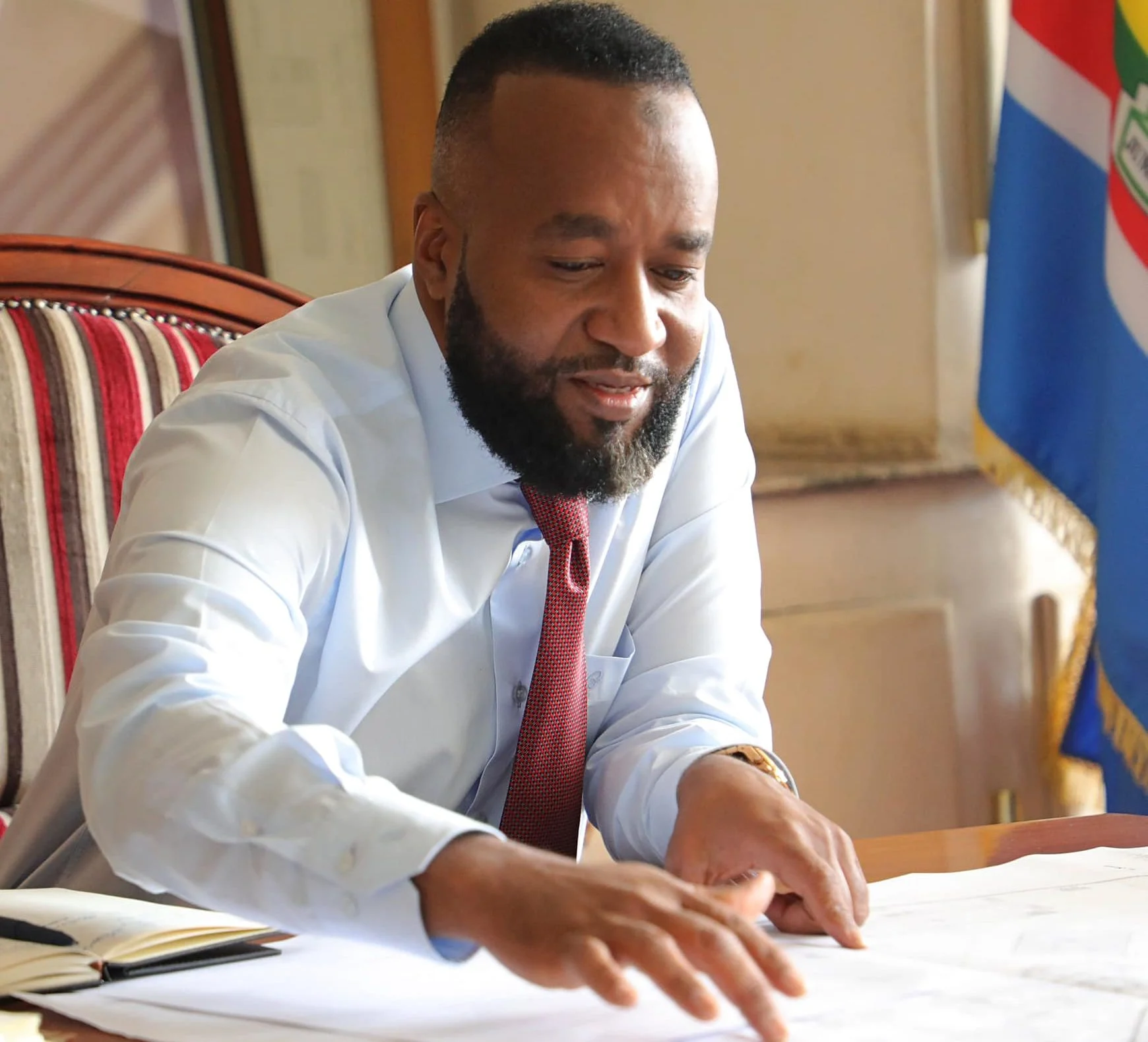
It is the first time Kenya is attempting to allocate mineral rights of this scale through an open, competitive system, marking a shift from the opaque licensing deals that have long dogged the sector.
The move is meant to ensure the country extracts maximum value from its natural wealth while avoiding past controversies where foreign firms secured lucrative concessions with limited returns to locals.
A global mineral race with billions at stake
Surveys conducted over the years, including a detailed 2022 geological assessment, confirm the presence of massive deposits of niobium and rare earth elements. The figures are striking: an estimated 5.8 million tonnes of niobium and 48.7 million tonnes of rare earths, with inferred resources exceeding 110 million tonnes.
Niobium is a critical metal used to strengthen steel, making it essential in jet engines, pipelines, and even space technology. Rare earth elements such as yttrium, lanthanum and strontium are even more geopolitically sensitive, forming the backbone of modern electronics, electric vehicles, renewable energy systems and advanced military hardware.
This explains why global heavyweights are circling.
The United States is backing a consortium known as Mrima Earth Ltd, which has already submitted a proposal to Kenya’s National Mining Corporation. The group is pitching a value-add approach—processing minerals locally, creating jobs and building long-term technical capacity.
On the other side is China, which currently dominates roughly 80 per cent of global rare earth processing. Chinese state-backed firms have been positioning themselves for years, leveraging strong diplomatic ties to secure access.
Australian players are also in the mix. RareX and Iluka Resources submitted a joint proposal in 2025, suggesting part of the processing could be done at Iluka’s refinery in Australia—raising questions about how much value Kenya should retain locally.
Local tensions and environmental stakes
The renewed push to develop Mrima Hill is already stirring tension on the ground.
In late 2025, community guards reportedly blocked Chinese nationals from accessing the site without authorisation, highlighting just how sensitive and contested the area has become even before formal licensing begins.
The bigger challenge, however, lies with the land itself.
Mrima Hill is double-gazetted as both a protected forest reserve and a sacred Kaya forest, revered by the Mijikenda and Digo communities. These forests are not just ecological zones; they are deeply spiritual spaces tied to ancestry and cultural identity.
Residents have voiced concerns over displacement, environmental damage and the handling of radioactive materials such as thorium found in the area. There are also fears that mining could destroy sacred shrines that have stood for generations.
A defining test for Kenya’s resource future
For decades, Kenya has been seen as a country rich in mineral potential but slow in execution. Mrima Hill could change that—but only if managed carefully.
The shift to open tendering signals a government trying to rewrite the rules, positioning Kenya as a serious player in the global supply chain for critical minerals at a time when demand is surging.
What happens next will not just determine who wins the bid, but how Kenya negotiates with global powers, protects its communities and ensures that a significant share of this $64 billion opportunity remains within its borders.







Leave a comment