


The Kenya Revenue Authority (KRA) has crossed the Ksh 2 trillion mark in tax collections, pointing to a steady rebound in revenue despite pressure on households and businesses.
Fresh data shows the taxman collected Ksh 2.04 trillion between July 2025 and March 31, 2026, an increase of 11.4 per cent from Ksh 1.829 trillion recorded in the same period last year. The performance reflects stronger compliance and a gradual pickup in economic activity, even as the cost of living remains high.
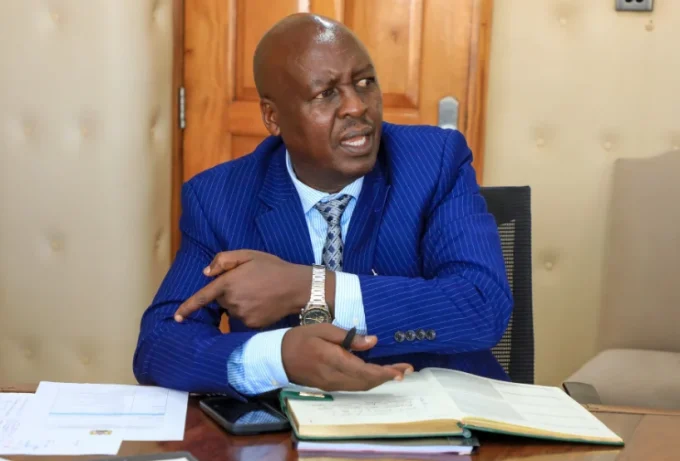
KRA Commissioner General Humphrey Wattanga said the growth signals resilience in both the economy and revenue mobilisation efforts.
“The upward trajectory from Ksh 1.829 trillion collected over the same period last financial year signals resilience of the economy and resilience in revenue mobilisation,” he said.
Domestic taxes continued to carry the bulk of collections, bringing in about Sh1.3 trillion over the nine months. This marked a 10.4 per cent increase, supported largely by Pay As You Earn (PAYE), VAT and corporate taxes, which remain key pillars of government income.
On the other hand, Customs and Border Control posted even stronger growth, rising by 13.3 per cent to Sh733.7 billion. The increase has been linked to higher import volumes, particularly fuel-related taxes, as well as tighter enforcement at entry points.
KRA also collected Ksh 204.45 billion on behalf of other government agencies, beating its target and reflecting a 10.7 per cent growth compared to the previous year. Meanwhile, revenue collected for the National Treasury stood at Ksh 1.834 trillion, translating to a 95.5 per cent performance against the set target.
Even with the growth, the authority is still slightly behind its targets. It collected about 96 per cent of its nine-month goal, leaving a shortfall of roughly Sh84 billion.
This gap now puts pressure on the final quarter, where the taxman must raise a significant amount to meet the full-year target of Ksh 2.97 trillion. Analysts note that the last quarter is usually stronger due to corporate tax payments, but the current economic environment could make the task tougher.
KRA says it will lean more on enforcement and technology to close the gap. The authority has been expanding the use of digital systems such as electronic tax invoicing and data integration with businesses to reduce leakages and widen the tax base.
Wattanga remains confident the target is still within reach.
“We remain optimistic about meeting the full-year target through enhanced compliance measures and sustained revenue momentum,” he said.
The latest figures come at a time when the government is under pressure to increase domestic revenue to fund its budget and reduce reliance on borrowing, making KRA’s performance critical in the months ahead.









Leave a comment