

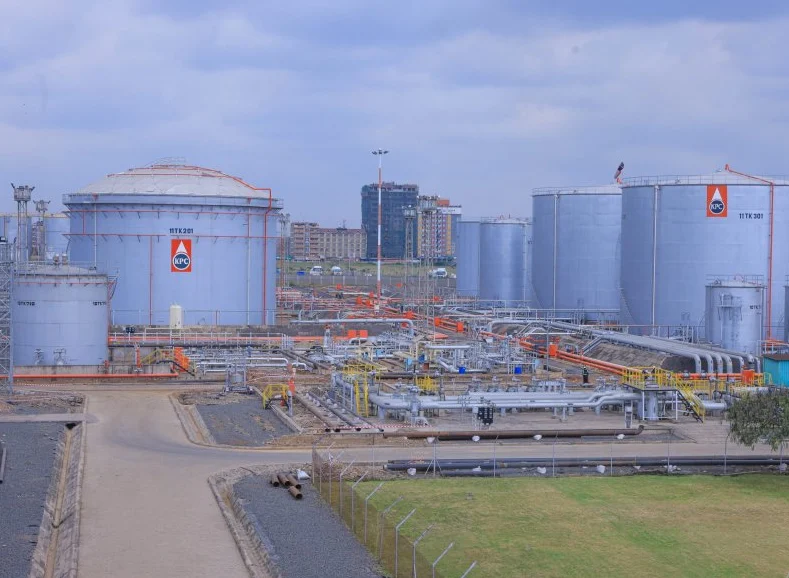
As queues grow at petrol stations in several towns, Kenya Pipeline Company (KPC) has moved to reassure Kenyans that the country is not running out of fuel.
The state agency says it has enough petroleum products stored across its network and that supply remains stable at the bulk level, even though motorists in different regions are struggling to access fuel at retail stations.
In a statement on Wednesday, KPC said all its depots and terminals are adequately stocked and operational, adding that the quality of its fuel meets both local and international standards.
“Kenya Pipeline Company PLC (KPC PLC) has noted with concern reports of a shortage of fuel in petrol stations across the country. We wish to assure the public that there is sufficient fuel in all of our terminals and depots and that the products meet national and international quality standards as prescribed by relevant certification bodies,” the company said.
KPC manages a 1,342-kilometre pipeline system that transports fuel from the Port of Mombasa to major inland depots in Nairobi, Nakuru, Eldoret and Kisumu.
The system is supported by storage facilities with a capacity of over one billion litres, allowing the company to maintain reserves and manage distribution across the country.
According to stock data shared by KPC, key facilities such as Kipevu Oil Storage and the Kenya Petroleum Refineries depot are holding large volumes of super petrol, diesel and jet fuel. Inland depots in Nairobi, Nakuru, Eldoret and Kisumu are also reported to have steady supplies.
Even so, motorists on the ground continue to face a different reality.
In towns like Nairobi, Nakuru, Eldoret, Kisumu, Karatina and Nyeri, drivers have reported empty stations, limited supply and long waiting times. Some petrol stations have closed temporarily, while others are only selling premium fuel, which has forced consumers to spend more.
The situation has been made more complex by a disputed fuel consignment that recently drew government attention.
Wandayi on fuel crisis
Energy Cabinet Secretary Opiyo Wandayi ordered the removal of a 60,000 metric tonne shipment of super petrol that had been imported outside the Government-to-Government fuel arrangement. The ministry argued that the cargo would have disrupted price stability.
“This consignment was priced at Ksh198,000 per metric tonne compared to Ksh140,000 per metric tonne under the G-to-G framework. This would have raised pump prices by about Ksh14 per litre,” Wandayi said.
The shipment, delivered on March 27 aboard MT Paloma, has since been kept out of the local market. Oil marketing companies were also directed not to include it in pricing calculations or settle related invoices.
There are now growing concerns about what happens next, especially with the next fuel price review expected on April 14. Analysts and sector players warn that prices could rise significantly, with estimates ranging between Ksh30 and Ksh60 per litre if current pressures persist.
For consumers, the uncertainty remains high. Some motorists have resorted to panic buying, while others are travelling longer distances in search of fuel. In some areas, stations remain closed or are operating on a limited supply.
The ongoing situation has left many questioning whether the issue lies in supply, pricing or distribution, even as KPC continues to insist that the country has enough fuel in storage.













Leave a comment