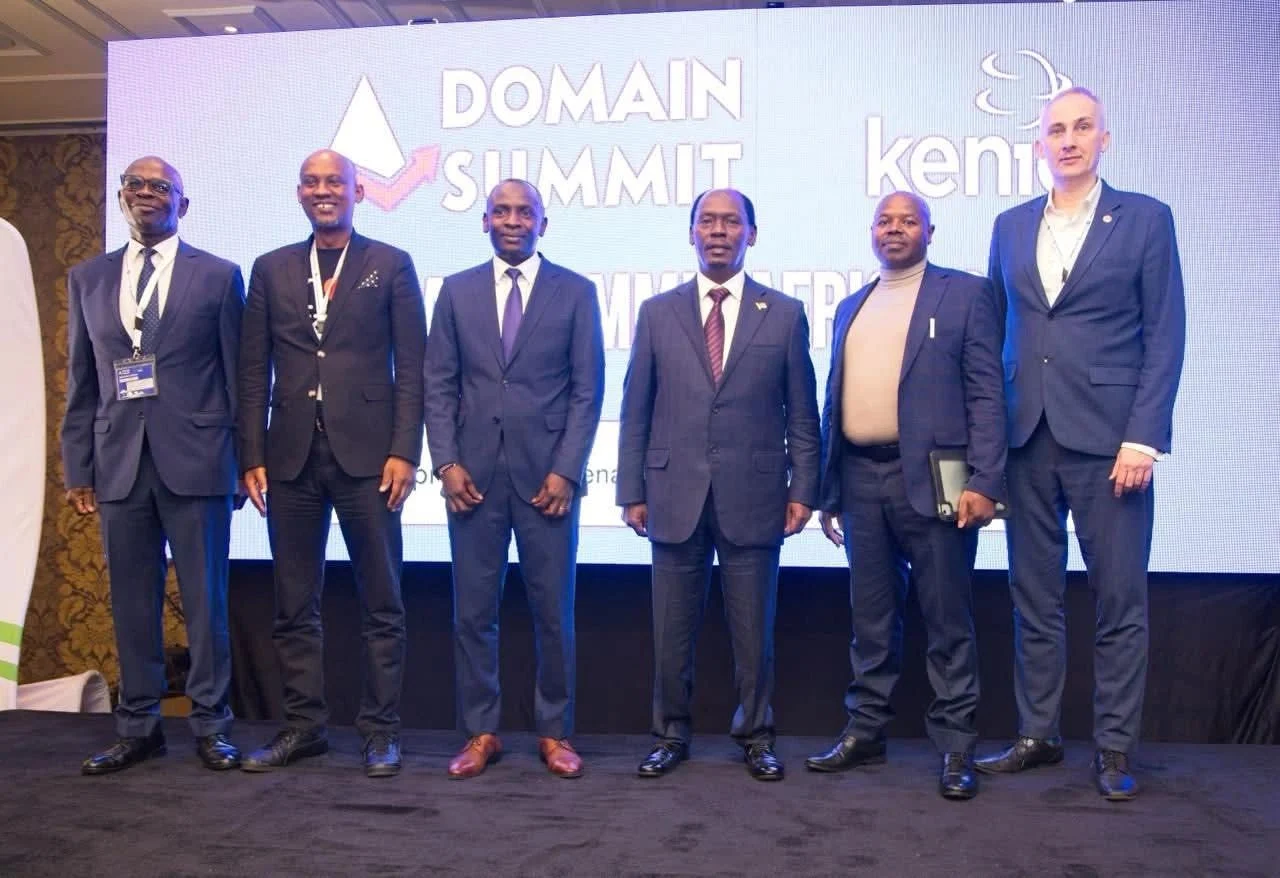
Kenya is positioning itself at the center of Africa’s digital infrastructure push after hosting more than 250 delegates from over 30 countries at the inaugural Domain Summit Africa in Nairobi.
The conference, convened by Kenya Network Information Centre (KeNIC), brought together government officials, domain registries and registrars, global internet bodies and technology executives, underscoring the growing commercial significance of web domain management as economies shift online.
At the core of the discussions was a reframing of domain names from technical identifiers to economic assets. As businesses across Africa digitize operations, domain registration is increasingly viewed as foundational to establishing digital identity, enabling secure e-commerce and facilitating cross-border trade.

“Trusted digital infrastructure is the backbone of modern commerce,” participants said in sessions focused on expanding access and affordability of domain services. Industry players explored partnerships aimed at boosting adoption among small and medium-sized enterprises, a segment widely seen as critical to job creation and economic diversification across the continent.
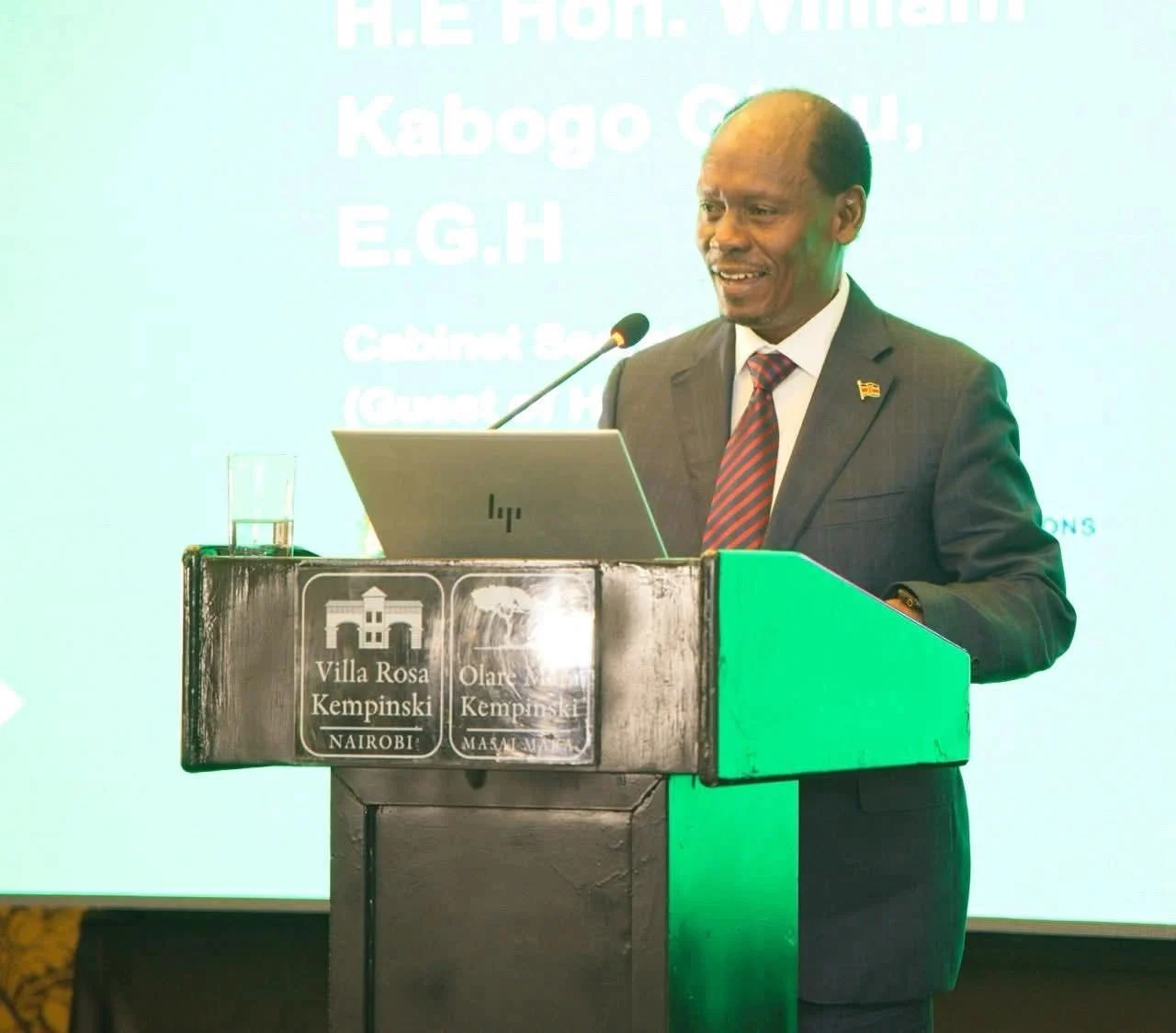
Kenya’s government used the summit to signal policy support for the sector. William Kabogo, Cabinet Secretary for Information, Communications and the Digital Economy, said the administration is backing efforts to deepen internet penetration and strengthen online security as part of a broader strategy to cement Kenya’s status as a regional technology hub.
Kabogo cited KeNIC’s role in managing the country’s “.ke” country code top-level domain and promoting local domain uptake as central to building investor confidence and enabling enterprise growth.
Africa’s digital economy is expanding rapidly, driven by rising smartphone penetration, mobile money adoption and increased broadband connectivity. Yet gaps remain in digital identity, cybersecurity and trusted online presence — areas industry executives at the summit said require coordinated policy frameworks and private-sector investment.
The strong international turnout in Nairobi highlights Kenya’s ambition to act as a convening power for digital policy and multi-stakeholder governance, areas traditionally dominated by institutions in Europe and North America. Outcomes from the summit are expected to inform regional strategies on domain governance, online trust and infrastructure development.
For policymakers and industry leaders alike, the message was clear: as global commerce becomes increasingly digital, investment in secure domain systems and online identity infrastructure is no longer discretionary but central to long-term economic competitiveness.
By leveraging its institutional framework and public-private partnerships, Kenya is seeking to translate that momentum into broader gains for Africa’s digital economy.
Ooro George is a Kenyan journalist, blogger, editor-at-large, art critic and cross-cultural curator.
Zoho, a global technology company, announced today that it has partnered with...
Launched in May, the program involves registration of schools to .sc.ke domains...
Leave a comment