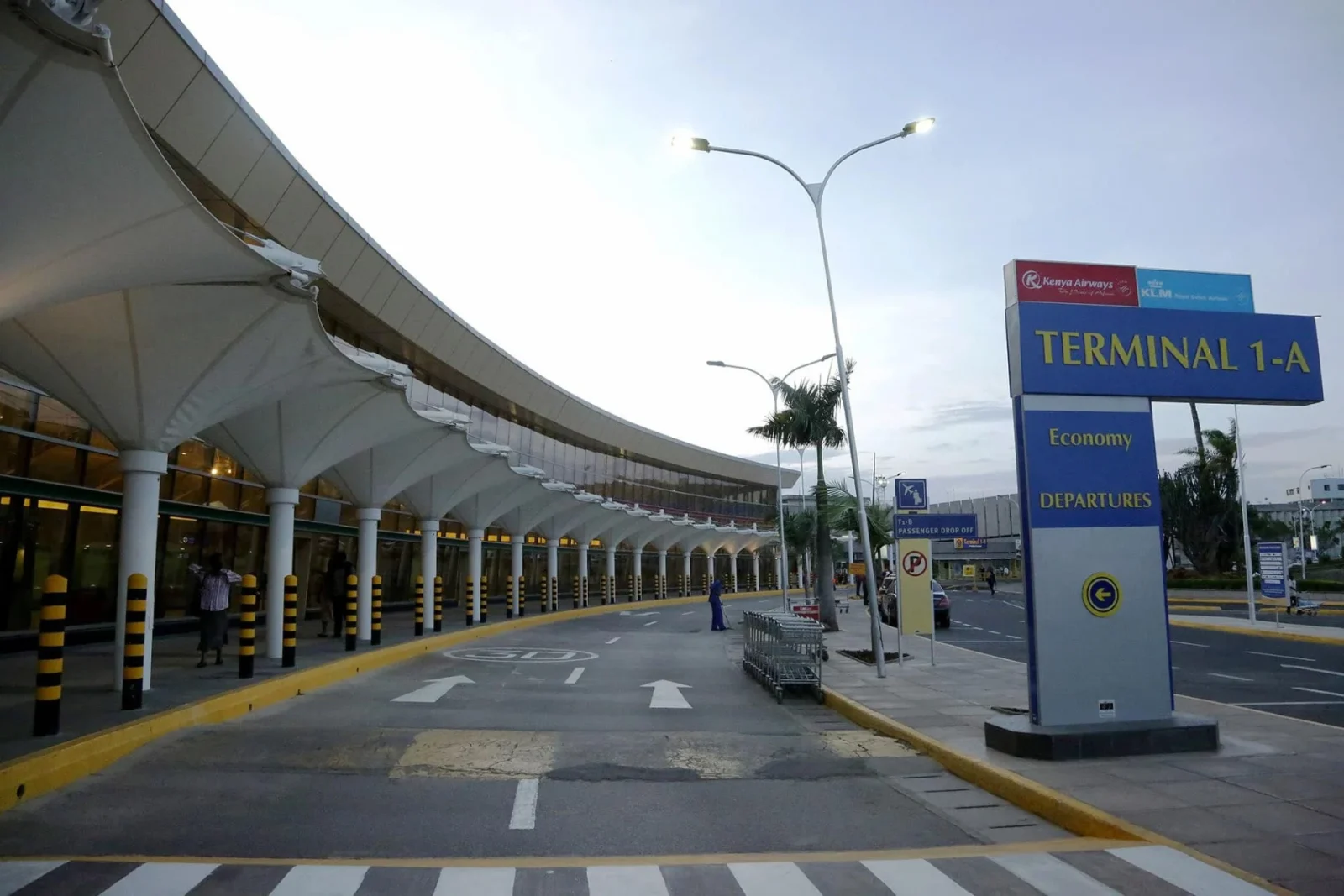
Kenya is making a renewed push to expand Jomo Kenyatta International Airport (JKIA) by seeking about Ksh 258.56 billion from global development financiers, including China and Japan.
Transport Cabinet Secretary Davis Chirchir stated that the government has written to institutions such as the Japan International Cooperation Agency (JICA), China Exim Bank, the German lender KFW, the European Investment Bank (EIB), and the African Development Bank (AfDB) to explore financing options.
“We have written to development agencies to tell them there’s an opportunity to build the airport through the Jomo Kenyatta International Airport, borrowing on its balance sheet,” Chirchir said.
The project, which has been stalled for over a decade, involves the construction of a second runway and a modern terminal to ease congestion at the country’s main aviation hub. Chirchir said the government will identify a contractor after securing funds.
“Instead of bringing a concessionaire to build the airport, we build the airport so that we can concession later,” he said.
This comes months after Kenya cancelled a deal with India’s Adani Group, which had been set to finance, build and operate the expansion for 30 years before transferring it back to the state. The arrangement was scrapped after US prosecutors accused the firm’s founder and several executives of bribery and misleading investors. The company has denied any wrongdoing and states that it is cooperating with the authorities.
Kenya’s move to tap JKIA’s financial standing for loans reflects a shift in its infrastructure funding strategy. With national debt exceeding Ksh 11.5 trillion, the state is seeking ways to finance large projects without directly increasing sovereign liabilities.
Alongside the airport talks, the government plans to float a Ksh 175 billion securitised bond next month to fund road projects. The bond, backed by a share of the fuel levy, will be offered to both local and international investors.
“We will securitise a portion of the fuel levy… It will be split into two halves for both a local and an offshore listing,” Chirchir said, noting that the offshore market for the foreign tranche is yet to be determined.
JKIA is the busiest airport in East Africa, handling over eight million passengers annually before COVID-19. However, its single runway and limited terminal space have long been blamed for delays and congestion.

The government hopes the involvement of reputable international lenders with experience in major transport projects will provide both credibility and favourable financing for the expansion.
Institutions like JICA and AfDB have in the past funded key developments in Kenya, including roads, ports and rail projects.
Chirchir said building the facility through the Kenya Airports Authority and later leasing it to private operators could offer better value compared to long-term private concessions agreed from the start.
Nairobi County may be the country’s economic hub, but when it comes...
Kenya has been ranked Africa’s second-most innovation-ready nation, according to the 2026...
Kenya’s digital payments success story is entering a new chapter, with industry...
Construction of the Standard Gauge Railway (SGR) Phase 2B and 2C from...
Leave a comment