

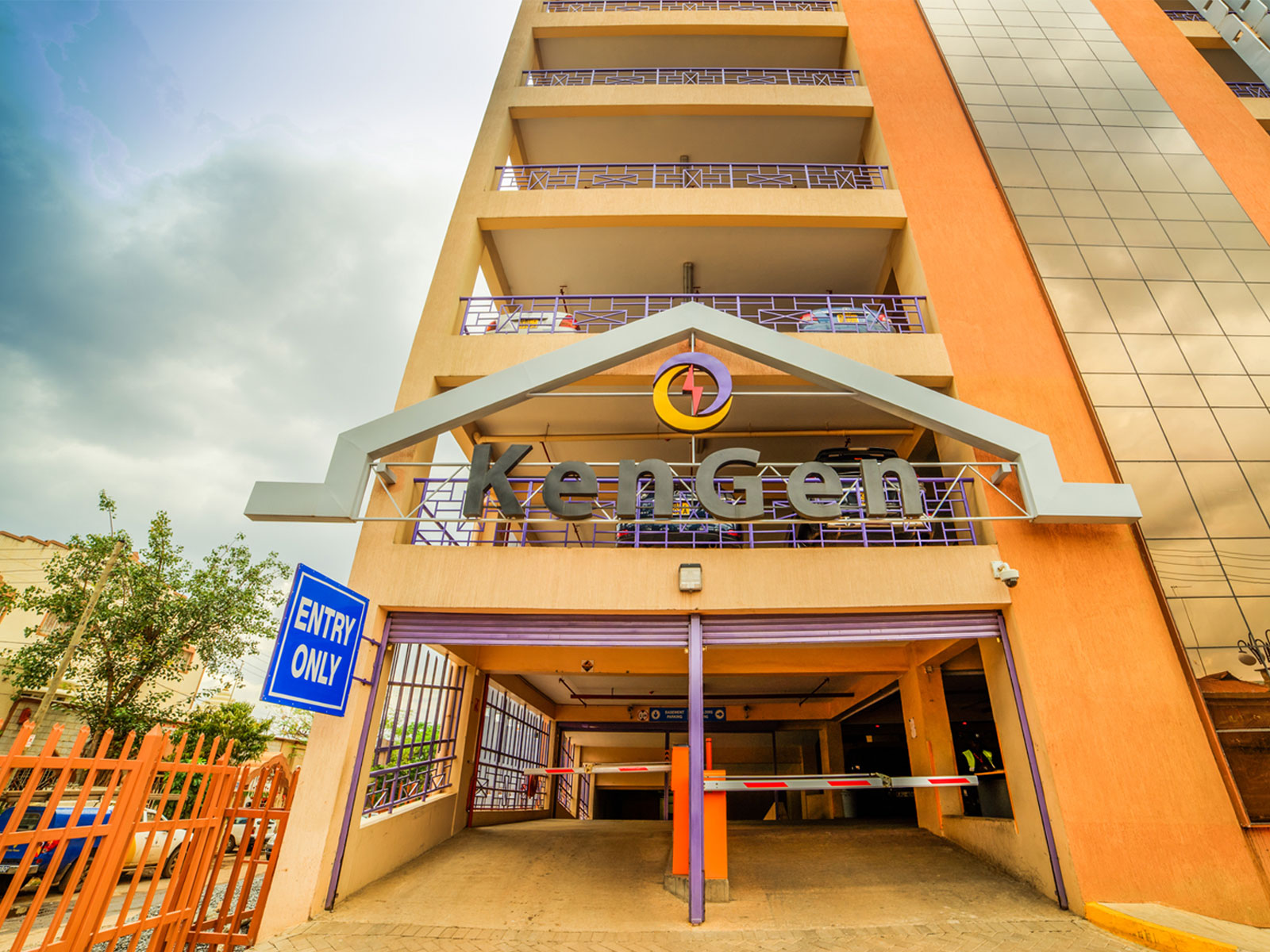
KenGen(Kenya Electricity Generating Company) a listed electricity generating company, has its cash engine still holding up even as tax resets drag its half-year earnings, which fell 20% to KSh 4.22billion. This is despite KenGen revenues rising 9.4% to KSh 30.09billion.
KenGen Kenya had KSh14.0 billion in operational cash in the first half of 2026 financial year, funding KSh11.8 billion in renewable-energy capital expenditure and ending with KSh28.6 billion.
This data show a business that converts activities into cash while investing, allowing it to keep developing without borrowing.
Profitability, however, moved in the opposite direction, driven less by operating weakness than by a sharper tax take.
The effective tax rate rose to 44% after deferred tax assets were extinguished and capital allowances softened, effectively lifting the tax burden on reported earnings for the period. National peak demand reached 2,439MW and KenGen’s dispatch increased 4% to 4,461GWh.
Analysts at Ketu Capital maintain that while operating profit edged up 6.4% to KSh 7.07bn, net profit fell on a higher tax bill and elevated reimbursable expenses. The company declared no interim dividend.
Operating profit edged up 6.4% to KSh 7.07bn, but profit after tax fell on a higher tax bill and elevated reimbursable expenses. KenGen declared no interim dividend.
Why the KenGen Profit Drop
KenGen 2025 full year results were very impressive, a 54% improvement. After just 6 months just, a 20% drop. Plus, very high reimbursement and operating costs. Some glaring inconsistencies? The answer to those critical questions is actually very positive.
KenGen’s H1 results tell a story of operational resilience but with earnings pressure below the operating line.
However, net profit drop is explained by three key aspects.
Reimbursable costs rose sharply (27.4% YoY). While these costs are recoverable through tariffs, they inflate the cost base and weigh on reported profitability in the period, especially before full recovery timelines play out.
The tax charge increased materially, compressing earnings below the operating line. This largely explains why pre-tax profit was down 4.5% and net profit fell 20% even as core operations improved.
KenGen Cash flow from operations strengthened significantly (76% to KSh 14.0bn), but this was largely deployed into investments (KSh 11.8bn outflow) aligned with capacity expansion and long-term generation sustainability. This reinforces balance sheet strength but limits short-term distributable earnings.
The decision not to declare an interim dividend reflects prudent capital allocation—prioritising balance sheet flexibility and funding ongoing projects over near-term payouts.
KenGen Bottom line:
KenGen’s fundamentals remain intact, with improving demand, higher dispatch, and stronger operating cash flows. The earnings dip is not demand-driven, but rather the result of temporary cost, tax, and investment-cycle effects, positioning the company for more stable and scalable earnings over the medium term.
On the question on whether these are bad results? No— they are not bad at all. Timing to account for reimbursable expenses and allocation for investment IS not not projected until later this year. They just look bad if you stop at the headline profit drop.
Here’s the clean way to read them.
Revenue was up 9.4%, operating profit up 6.4%, dispatch up 4%, and peak demand at record levels. That is an engine working properly. The 20% net profit drop is not an operational failure. It is mainly due to higher reimbursable costs ,a heavier tax bill and ongoing capex cycle in a capital-intensive utility firm such as KenGen.
KenGen Cash flow tells the real story
Operating cash flow was up 76% to KSh 14bn — that is strong and sustainable. Weak businesses do not generate that kind of cash. No dividend implies prudence, not distress. The utility firm is choosing balance sheet strength and long-term capacity over short-term payouts. For a utility firm, this is a rational decision.
Verdict:
This is not a deterioration story. It is a timing and accounting compression story during an investment phase. If demand stays strong and tax/reimbursable pressures normalise, earnings can recover without any heroic assumptions.
ALSO READ: KenGen to Pay Government KSh 4.2 Billion As Dividends










Leave a comment