

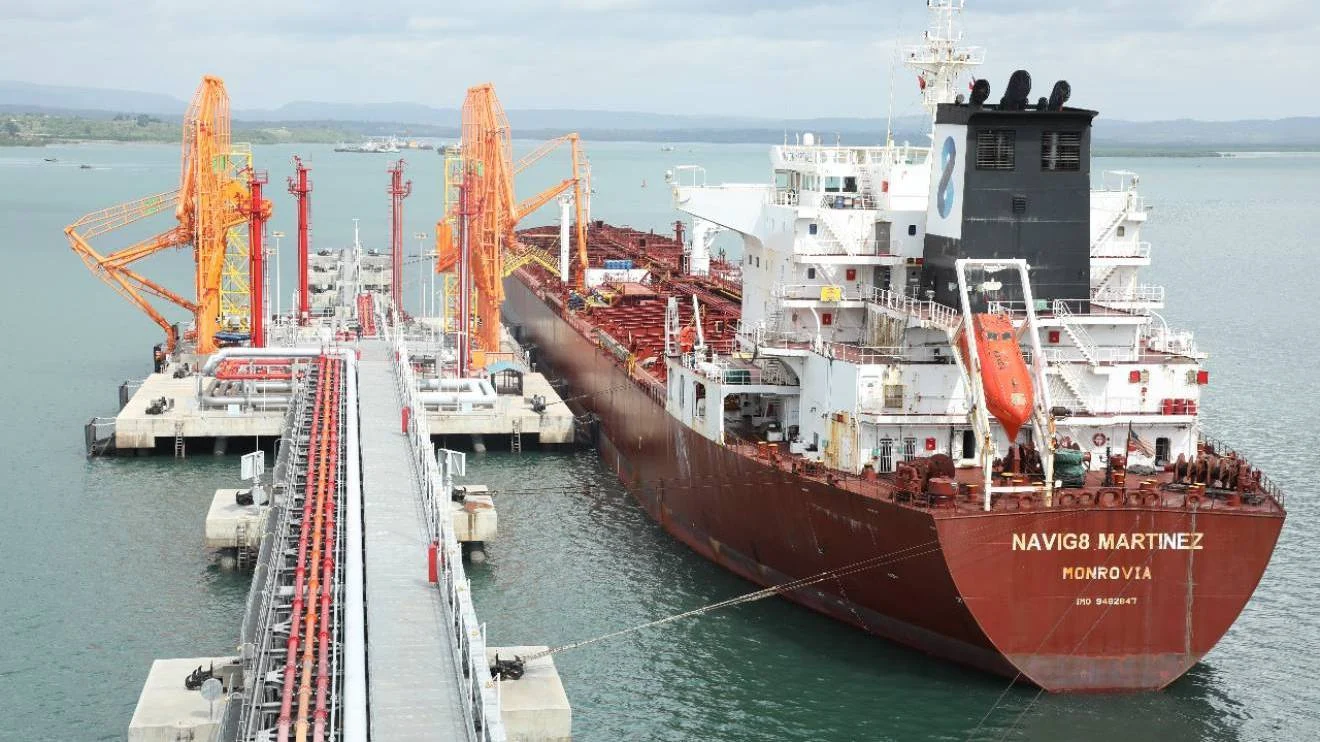
Not too long ago, the mere mention of the Government-to-Government (G-to-G) fuel deal would trigger a predictable chorus of concern, suspicion, and in some quarters, outright dismissal, with critics raising uncomfortable questions about transparency, competitive pricing, and the wisdom, if not audacity, of committing a fuel-dependent economy to a credit-based import model.
There was, at the time, a lingering sense that Kenya might have traded the chaos of market volatility for the quieter, more sophisticated risks of deferred financial obligations, the kind that do not announce themselves at the pump but instead accumulate patiently in the background, like a tab that no one is quite eager to settle.
And yet, policy, much like character, is not truly revealed in comfort, but under pressure.
Enter geopolitics, stage left
The latest tensions in the Middle East, particularly those involving Iran, have once again reminded the world that oil markets are governed as much by nerves as they are by numbers, with even the faintest hint of disruption capable of sending prices into an anxious climb.
At the centre of this ever-present uncertainty lies the Strait of Hormuz, that narrow but immensely consequential maritime corridor through which a significant share of the world’s oil supply flows, and whose instability has an almost theatrical ability to ripple across continents, currencies, and consumer wallets with remarkable speed.
Historically, Kenya has not been a spectator in such moments; it has been a participant, often an unwilling one, absorbing the aftershocks through higher pump prices, strained foreign exchange reserves, and the familiar economic tightening that follows.
This time, however, the script appears to have been revised.
The G-to-G model meets its moment of truth
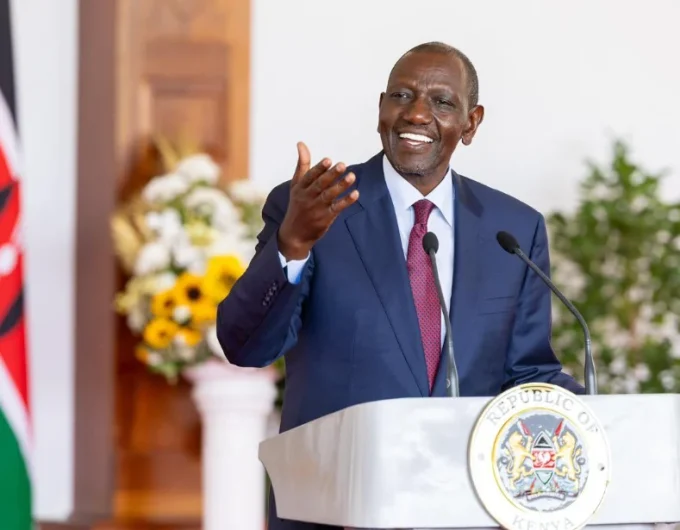
President William Ruto has pointed, with a measure of justified confidence, to the G-to-G arrangement as the mechanism that has enabled Kenya to sidestep the more dramatic consequences of the current oil market jitters, and while such claims would ordinarily invite scrutiny, the evidence at least for now leans in his favour.
By sourcing fuel directly from Gulf-based suppliers under structured, credit-backed agreements, Kenya has effectively insulated itself from the daily theatrics of the spot market, where prices tend to respond to geopolitical developments with all the composure of a startled cat.
The result is not the absence of global influence; no country is quite that fortunate, but rather a moderation of its effects, a smoothing of the peaks and troughs that would otherwise translate into abrupt and politically inconvenient price adjustments.
Does it work, or does it merely delay the inevitable?
This, of course, is the question that continues to hover politely but persistently over the entire arrangement.
In the immediate sense, the G-to-G deal is performing precisely as its architects might have hoped, delivering a degree of price stability that is both economically valuable and politically convenient, while simultaneously ensuring that fuel supply remains consistent in a period where disruption would have been both plausible and costly.
However, to suggest that the model has somehow neutralised global oil volatility would be to confuse management with elimination, a distinction that is as important as it is frequently overlooked.
Credit, after all, is a patient instrument; it absorbs pressure today only to redistribute it tomorrow, often with the added weight of accumulated cost, and while this does not invalidate the strategy, it does complicate any attempt to declare it an unqualified success.
One might say, with a touch of dry humour, that the G-to-G deal has not made fuel cheaper so much as it has made price shocks more polite.
The quiet transformation of risk
What is perhaps most striking is not merely that the policy is working in the short term, but that it reflects a broader evolution in how Kenya approaches economic vulnerability, shifting from reactive adjustments to more deliberate, pre-emptive positioning.
Rather than exposing itself fully to the whims of international markets, the country has chosen to negotiate its exposure, to engage volatility on its own terms, even if that means accepting trade-offs that are less visible but no less significant.
It is, in many respects, a more mature posture, one that acknowledges that in a globalised energy market, control is rarely absolute, but influence can be engineered.
A verdict still in progress
It would be premature and reckless to declare the G-to-G fuel deal a definitive triumph, not least because its long-term costs have yet to fully reveal themselves, and because the global conditions currently validating it may not persist indefinitely.
And yet, it would be equally disingenuous to ignore what is unfolding in plain sight: a policy once criticised for its risks is, under the harsh glare of geopolitical instability, demonstrating a degree of resilience that few would have confidently predicted.
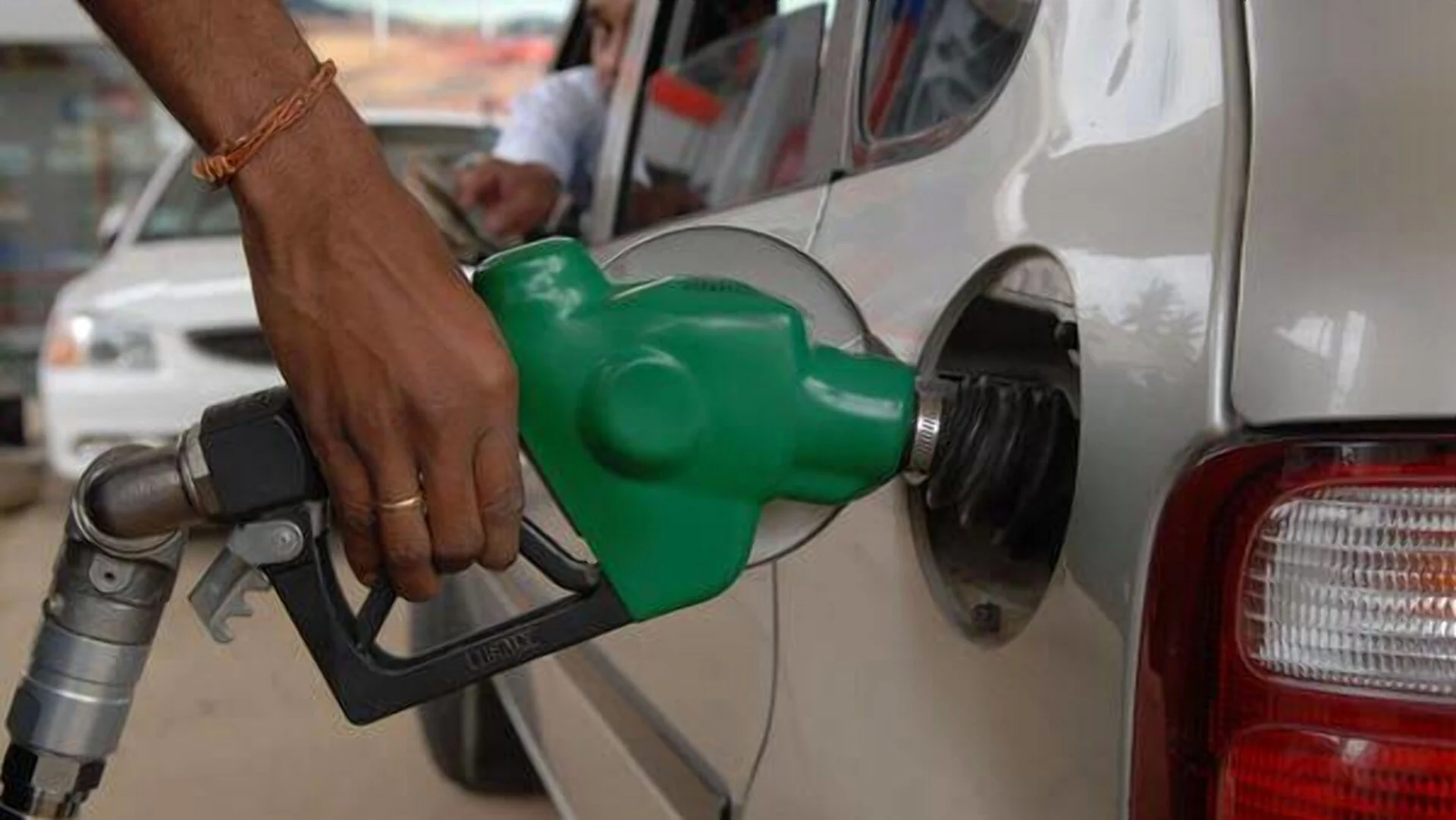
For consumers, it means a rare reprieve from the usual cycle of fuel-induced anxiety; for policymakers, it offers a cautiously encouraging signal that structured intervention can, under the right conditions, outperform market orthodoxy; and for critics, it presents an uncomfortable but necessary recalibration of the debate.
If there is a lesson embedded in this unfolding story, it is that economic strategy is as much about timing as it is about design, and that a policy dismissed in one season can, under different circumstances, emerge as precisely the tool that was needed.
The G-to-G fuel deal may not be perfect, but at this particular moment, as oil markets tremble and uncertainty lingers in the air, it is doing something both rare and valuable: It is buying the country time. And in the business of managing crises, time, as it turns out, is often the most precious commodity of all.












Leave a comment