

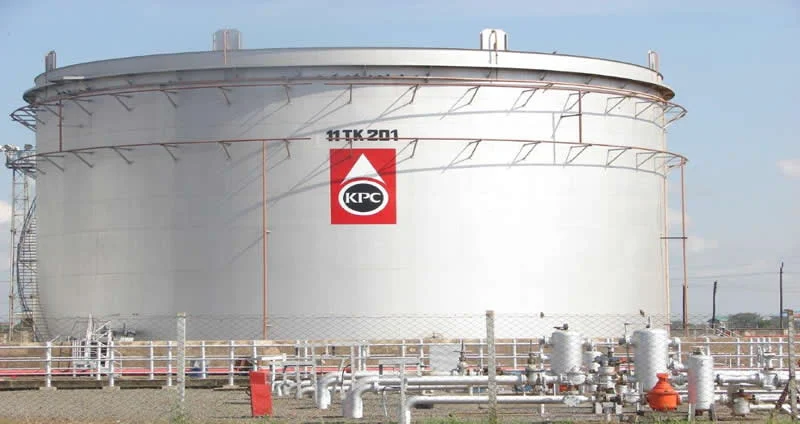
The countdown is on for one of Kenya’s biggest state sell-offs. The government has officially designated March 31, 2026, as the day the Kenya Pipeline Company (KPC) will be formally privatised.
The move is part of a wider plan to open up public ownership in key state firms while raising funds to support the government’s ambitious 2025/2026 budget.
The Privatisation Commission confirmed the date in a notice released on October 14, 2025, saying the exercise will be carried out under the Privatisation Act, 2005.
According to the Commission, the process is meant to unlock KPC’s full potential, drive efficiency, and give Kenyans a direct stake in a company that has been fully owned by the state for more than four decades.
“The privatisation presents a strategic opportunity to empower ordinary Kenyans to own a stake in one of the country’s most profitable and strategic enterprises. It will also promote inclusive economic growth, strengthen transparency, and enhance corporate governance through listing on the Nairobi Securities Exchange (NSE),” the notice read in part.
The plan is to sell shares of KPC through an Initial Public Offering (IPO) at the Nairobi Securities Exchange. This will open the door for individuals and institutions to invest in one of Kenya’s most profitable energy firms.
At the moment, the government owns 99.9 per cent of the company through the National Treasury, while the Ministry of Energy and Petroleum holds the remaining 0.1 per cent.
The Privatisation Commission said the proceeds from the sale will go towards funding major development projects, reducing public debt, and strengthening Kenya’s capital markets.
“The government views the privatisation of KPC as a balanced approach to economic empowerment and institutional modernisation, aligning with national interests while attracting private sector participation,” the Commission stated.
KPC, established in 1973 and operational since 1978, is a crucial part of Kenya’s economy. It is responsible for transporting petroleum products such as petrol, diesel, jet fuel, and kerosene across the country.
Its pipeline network extends beyond Kenya, supplying fuel to Uganda, Rwanda, Burundi, northern Tanzania, eastern DRC, and South Sudan — cementing Kenya’s role as a regional petroleum hub.
By listing KPC on the stock market, the government hopes to enhance transparency, attract innovation, and make the company more competitive while giving ordinary Kenyans a share in its success.
Funds raised from the sale are also expected to support infrastructure projects and reduce the state’s borrowing burden at a time when Kenya is pushing to stabilise its economy.
The Privatisation Commission has confirmed that the transaction is on track and expected to be completed by the March 31, 2026, deadline, setting the stage for a historic shift in how Kenya manages its strategic state corporations.















Leave a comment