

With food prices already under pressure, the government has raised alarm over a looming rice shortage as Kenya awaits a crucial court ruling on duty-free imports later this month.
The Ministry of Agriculture says the decision, expected on January 29, 2026, could disrupt the rice market at a delicate time when local production is declining, and demand continues to rise.
The Ministry warned that the ruling will have a direct impact on food prices, household spending and the constitutional right to food, especially if it leads to further delays in imports.
Kenya produces less than 20 per cent of the rice it consumes, leaving the country heavily dependent on imports to bridge the gap. By early 2026, the national rice deficit is projected to exceed 380,000 metric tonnes, while demand between January and June alone is estimated at 750,000 tonnes. Officials say existing stocks and local harvests are not sufficient to meet this demand.
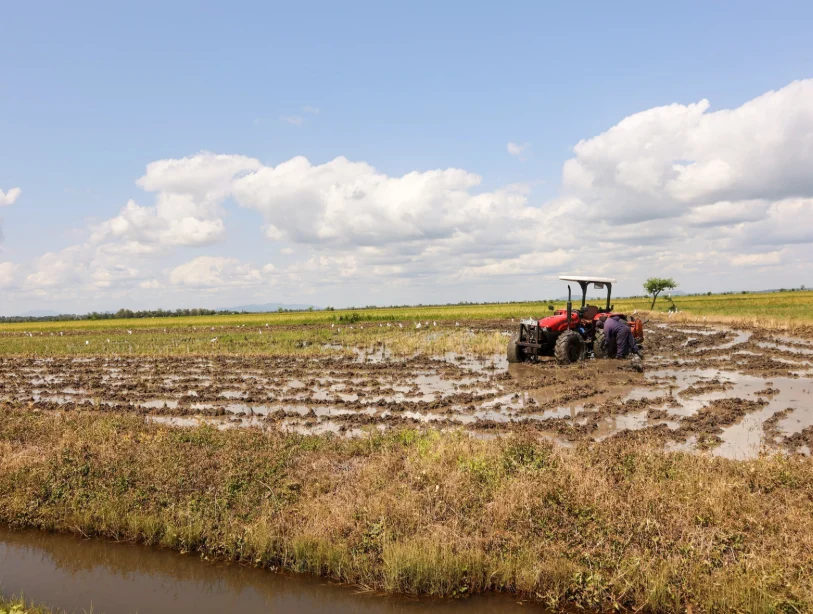
Rice has increasingly become a key staple, particularly in urban areas and arid and semi-arid regions, where it is affordable, easy to prepare and widely available. The Ministry noted that erratic rainfall, prolonged dry spells and reduced water levels in irrigation schemes have hurt production, worsening supply constraints and fuelling price volatility in the market.
The government has also warned that instability in rice supply could spill over into other staples such as maize, further straining household budgets. According to the Ministry, climate-related pressures are already affecting food systems, and any disruption to imports could deepen food insecurity, especially among low-income families.
Duty-free rice imports
The warning comes as a legal battle over duty-free rice imports continues in court. The case challenges a Gazette Notice issued on July 28, 2025, which authorised the importation of up to 500,000 tonnes of grade-one rice without duty as a temporary measure to stabilise prices and address shortages.
The petition was initially filed by the Farmers Party, which argued that the National Treasury and the Ministry of Agriculture failed to conduct adequate public participation and acted outside their mandate under the East African Community Customs Management Act. In December 2025, the party sought to withdraw the case.
However, the High Court in Kerugoya declined to allow the withdrawal, ruling that the matter raises broader public interest issues that must be determined on merit. The court said the case touches on national food policy, farmer livelihoods and consumer welfare, making it too important to abandon.
Following the decision, Kirinyaga Senator Kamau Murango and Baragwi Ward Representative David Mathenge were allowed to take over the case as petitioners. They argued that withdrawing the petition would have automatically lifted interim court orders that currently limit duty-free imports to 250,000 tonnes.
According to the two leaders, lifting those orders before the legal questions are settled could reopen the market to large volumes of imports without clear safeguards, potentially harming local farmers and distorting the market.
As the ruling date draws closer, the government says clarity is urgently needed to prevent further uncertainty in the rice market. With domestic production unable to meet demand, officials warn that delays or restrictions on imports could push prices higher and worsen food insecurity across the country.













Leave a comment