


In a fresh drive to ensure the safety of gas cylinders in Kenyan households, the new Petroleum (Liquified Petroleum Gas retailer) Regulation 2019 requires LPG retailers to obtain multiple approvals to enable them to stock different brands.
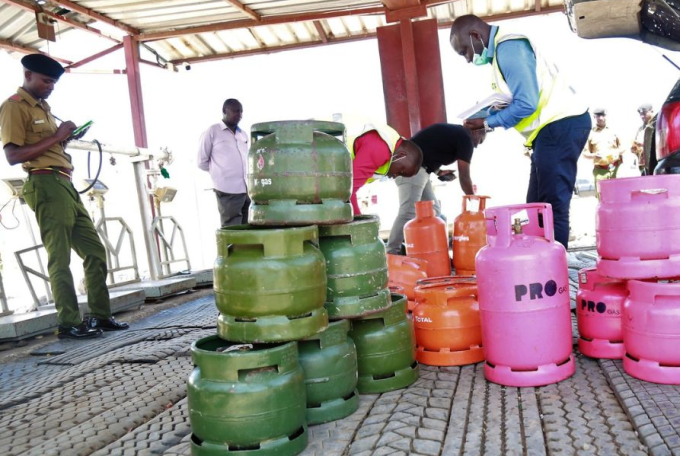
The Energy and Petroleum Regulatory Authority (EPRA) has been warning retail dealers, supermarkets and transporters against stocking cylinder brands without licenses and written consent from each brand owner.
The agency has vowed to implement the new regulation strictly to tame the illegal practice that has exposed consumers to poor quality and risky cylinders.
“Following increased public safety concerns on the use, distribution, retail and transportation of LPG cylinders, all retailers, wholesalers and transporters shall henceforth not undertake the business of handling cylinders of another brand owner without prior written consent from the brand owner and licence from the Authority for each business location and specific to the authorised cylinders only,” EPRA wrote in several public notices.
This will ensure that LPG brands will be in a better position to guarantee the safety of every cylinder.
Illegal LPG that lures consumers with lower rates endanger the lives of millions of people in Kenyan households.
Further, the mainstream LPG dealers have decried the loss of thousands of cooking gas cylinders and millions in revenue after the cylinders were stolen while in transit or simply collected from circulation.
The new regulation also increased penalties for illegal gas refilling tenfold to a minimum of Sh10 million or imprisonment of at least five years or both to ensure safety and promote oil dealers.
Retailers who fail to keep gas cylinder records for more than a year also face a fine of Sh50,000 for each offense.
The records are expected to include the serial number of each cylinder, date of purchase, the weight of each cylinder and the name of the buyer.
The new regulation may increase the price of cooking gas.













Leave a comment