

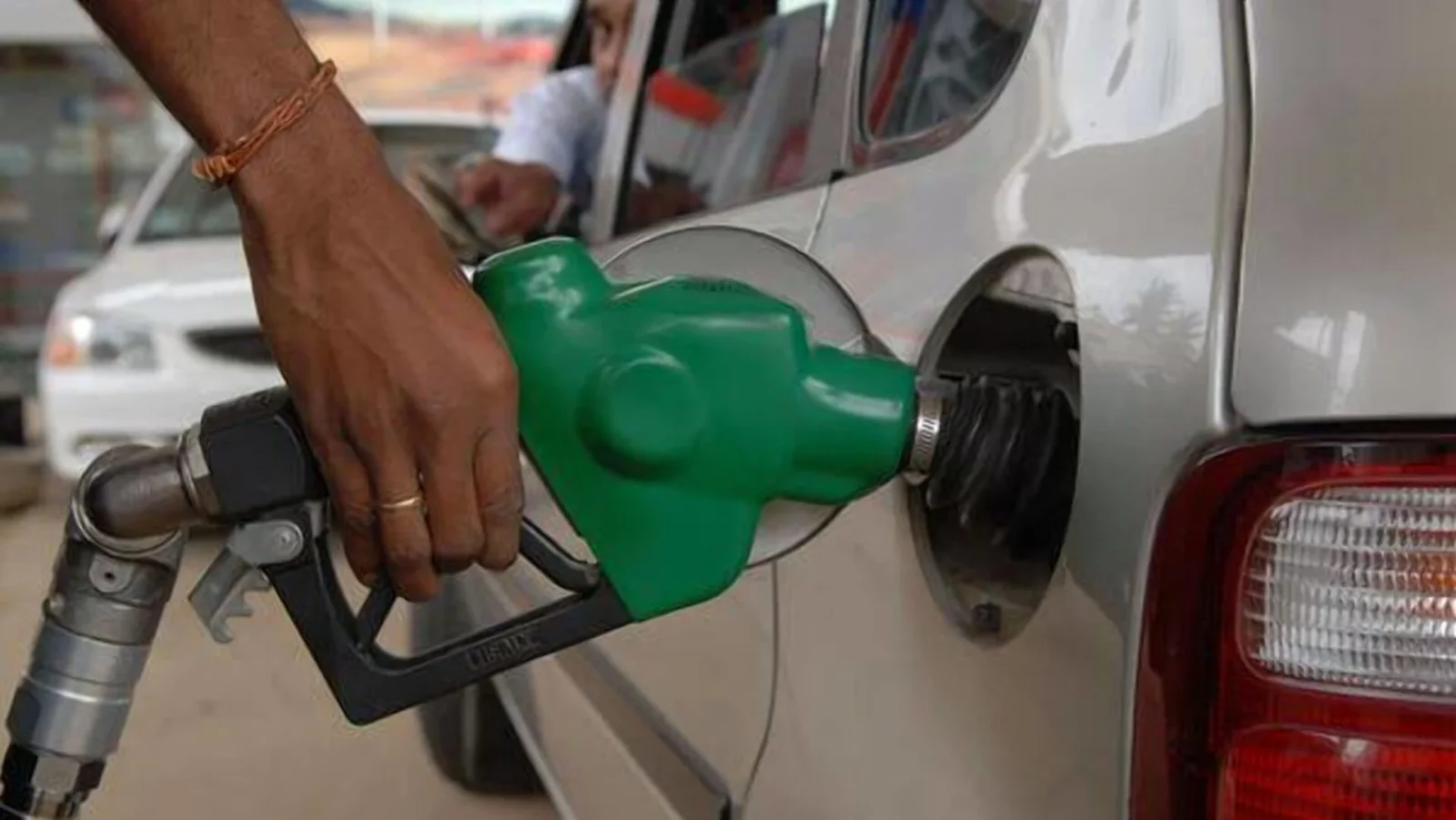
Kenyan motorists and households will pay less for fuel this month after the Energy and Petroleum Regulatory Authority (EPRA) announced a drop in pump prices for petrol, diesel and kerosene.
Under the new pricing cycle, which runs from January 15 to February 14, 2026, the regulator has cut the cost of Super Petrol by Ksh 2 per litre, while Diesel and Kerosene prices have each fallen by Ksh 1 per litre. The change takes effect from midnight and will remain in place for the next 30 days.
In Nairobi, the revised maximum retail prices are now: Super Petrol Ksh 182.52 per litre, Diesel Ksh 170.47 per litre, and Kerosene Ksh 153.78 per litre. These figures include all applicable taxes and reflect Kenya’s monthly fuel price review framework.
EPRA said the adjustments were driven by shifts in the international oil market and the calculations used in the country’s petroleum pricing mechanism. The regulator stated:
“The average landed cost of imported Super Petrol decreased by 0.10 per cent from US$592.84 per cubic metre in November 2025 to US$592.24 per cubic metre in December 2025. Diesel decreased by 4.20 per cent from US$654.24 per cubic metre to US$626.75 per cubic metre, while Kerosene declined by 8.92 per cent from US$667.05 per cubic metre to US$607.55 per cubic metre over the same period.”
This is the first downward adjustment after fuel prices were held steady in previous review cycles, including December–January, when prices did not change despite global market fluctuations.
The decline in the average landed cost of imported fuels, which accounts for the price of the product overseas plus shipping and insurance, allows EPRA to pass some savings to consumers at the pump.
For households and transport operators, even small reductions at the pump provide some relief amid the broader cost-of-living pressures.
Analysts say continued stability in global oil markets and careful monitoring of exchange rates will be key in determining future fuel price movements.















Leave a comment