

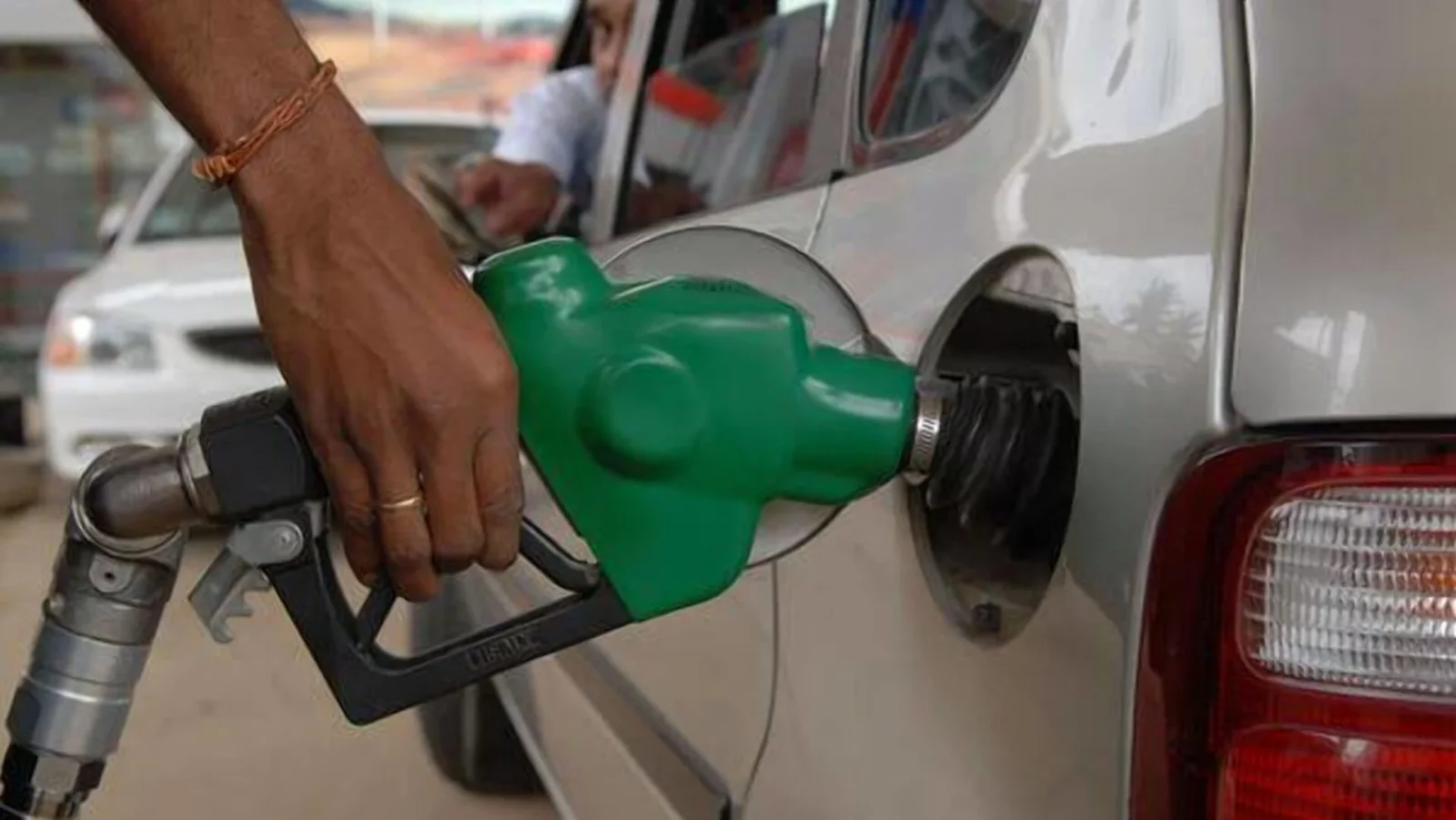
The Energy and Petroleum Regulatory Authority (EPRA) has announced that fuel prices in Kenya will remain unchanged for the next 30 days, offering relief to motorists and households during the busy Christmas and New Year travel season.
In its latest monthly fuel price review, released on Sunday, the Energy and Petroleum Regulatory Authority stated that the pump prices for super petrol, diesel, and kerosene will remain unchanged until January.
This means consumers will continue to buy fuel at the current rates, despite changes in global oil prices.
Under the revised pricing cycle, a litre of super petrol in Nairobi will continue to sell at Ksh 184.52, while diesel will remain at ksh 171.47 per litre. Kerosene will also retain its price of Ksh 154.78 per litre. These prices are the same as those that were in place before the previous pricing cycle ended at midnight.
The decision is expected to ease pressure on households and transport operators ahead of the festive period, when fuel consumption usually rises sharply as many Kenyans travel upcountry to celebrate the holidays.
“In the period under review, the maximum allowed petroleum pump prices for Super Petrol, Diesel and Kerosene remain unchanged,” EPRA said in a statement.
The regulator explained that international fuel prices recorded mixed movements during the review period. EPRA noted that the average landed cost of imported super petrol dropped by 4.25 per cent, falling to 592.84 dollars per cubic metre in November from 619.14 dollars in October.
However, the cost of importing diesel went up by 3.02 per cent to 654.24 dollars per cubic metre, while kerosene recorded an even higher increase of 5.52 per cent to 667.05 dollars per cubic metre over the same period.
Despite the rise in global import costs for diesel and kerosene, EPRA said it had opted to keep local pump prices stable for the current pricing cycle.
The move is aimed at cushioning consumers from additional costs at a time when household spending is typically high.
Fuel prices in Kenya are reviewed monthly and are influenced by global oil prices, exchange rates and taxes, among other factors.













Leave a comment