


The impact of the escalating Middle East conflict is beginning to hit home, with rising costs now showing up in everyday construction materials in Kenya.
Cement prices have started to edge up, offering an early sign of the pressure building across global supply chains and how it is filtering down to local industries.
East African Portland Cement (EAPC) this week raised the price of its Blue Triangle cement by Sh10 per 50kg bag, citing sustained increases in the cost of raw materials. In a notice to customers dated March 30, the company said the adjustment takes effect immediately and will apply to its Portland Pozzolanic Cement (CEM IV 32.5), one of its widely used products.
“Due to the continuous surge in raw materials prices, we will be revising our prices upwards by Sh10 per bag with effect from 31 March 2026,” the Head of Commercial at EAPC, David Kilonzo, said.
“Kindly be advised accordingly. We appreciate your partnership and look forward to your continued business support.”
The adjustment pushes the retail price of a 50kg bag to about Sh748, up from Sh736 just a week earlier, translating to a 1.38 per cent increase. While modest, the increase reflects growing pressure across the cement production chain, from energy and fuel to transport and imported inputs.
Rising global pressure
The price hike is largely tied to disruptions in global energy markets and supply chains following the ongoing conflict in the Middle East. Cement production relies heavily on fuels such as petroleum coke (petcoke), a key input that has become more expensive due to reduced supply and rising shipping costs.
With instability affecting major oil-producing regions, global fuel prices have surged, increasing the cost of running cement kilns and transporting materials. At the same time, shipping routes have become more expensive and less predictable, further tightening supply.
Production cuts in parts of the Gulf, alongside strong demand from major clinker producers such as Vietnam and India, are adding to the strain, especially as supply struggles to keep up with rising costs.
Kenya’s growing demand
For Kenya, the situation is more delicate due to its reliance on imported clinker, a key raw material in cement production. The country imports about two million tonnes annually, costing more than $100 million in foreign exchange. Any disruption in supply or increase in freight charges quickly translates into higher local prices.
This is happening at a time when demand for cement is already on the rise. Data from the Kenya National Bureau of Statistics (KNBS) shows that both production and consumption grew significantly in the first 11 months of 2025.
Production rose to 9.49 million tonnes, up from 8.09 million tonnes in the same period in 2024, while demand increased by 20 per cent to 9.34 million tonnes.
“The parallel rise in both production and consumption of cement reflects strong construction sector growth supported by ongoing public infrastructure projects, private real estate developments and a gradual recovery in housing activity,” KNBS said.
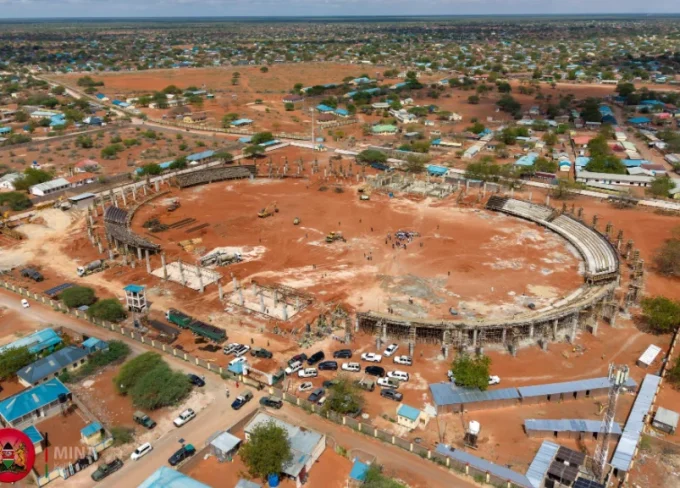
The demand is expected to grow even further, driven by large-scale projects such as affordable housing, the Rironi–Mau Summit Road, Talanta Stadium and the planned extension of the Standard Gauge Railway to Busia.
Cost impact on builders
The latest increase is expected to have a ripple effect across the construction sector, particularly for small contractors and individual home builders who depend on bagged cement.
Although the Ksh 10 increase may appear small, construction projects require large volumes, meaning overall costs will rise significantly. With fuel prices, shipping costs and raw materials all under pressure, industry players warn that more price adjustments could follow if global tensions persist.
For now, the rising cost of cement offers a clear signal that global events are beginning to reshape local markets, with the construction sector among the first to feel the strain.











Leave a comment