

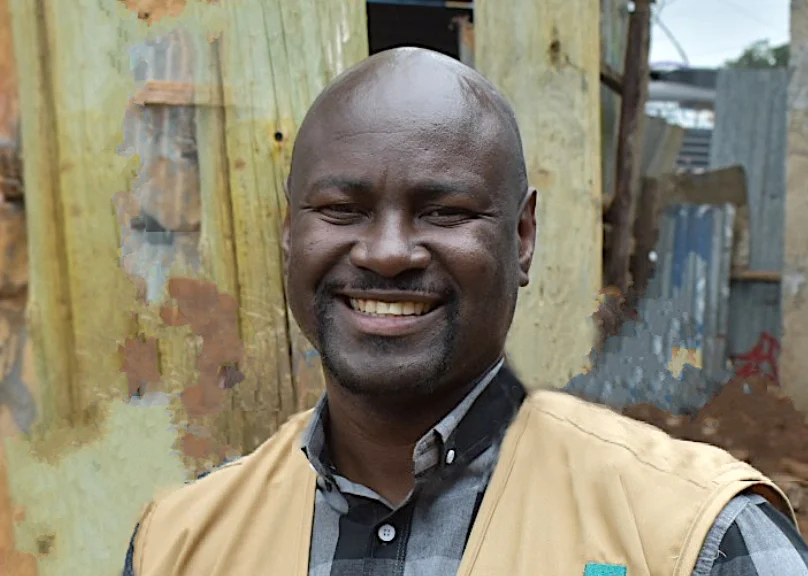
As it prepares to mark 25 years of youth empowerment in Kenya and beyond, CFK Africa has appointed Jeffrey Okoro as its first chief executive officer, Beth-Ann Kutchma as executive director, and Nelia Verano as director of philanthropy.
Okoro, who grew up in Kibera, one of the largest informal settlements in the world, joined CFK in 2009 as a youth leader following post-election violence. He has steadily risen through the ranks, serving most recently as executive director.
“As a resident of Kibera, I saw firsthand how CFK’s programs helped young people learn to find jobs, stay healthy, and become leaders in their community. I’m honoured to serve as our first CEO and ready to support the next generation,” he said.
Kutchma, who now leads the U.S. office, has been involved with CFK Africa since 2011, serving three terms on the board of directors. She produced the award-winning documentary Without a Fight, highlighting soccer’s role in creating social change in Kibera, and co-authored Harvard Business School’s first multimedia teaching case on CFK’s participatory development model.
Over the past four years, she worked as director of strategic partnerships, connecting donors, foundations, corporations, and academic institutions with the needs of slum communities.
Verano brings more than 20 years of fundraising experience to her new role as director of philanthropy, focusing on expanding resources and opportunities for youth in slums.
“These promotions reaffirm CFK’s mission to empower youth in African slums through innovative programs, public health, and sustainable growth,” board chair and co-founder Rye Barcott said.
“As we head into our 25th anniversary year, this team will guide us into a new era and position us for another successful 25 years. We’re excited for the new heights their leadership will take CFK Africa.”
Founded in 2001, CFK Africa has operated for 25 years in 25 informal settlements across East Africa. The nonprofit provides programs in youth leadership, education, girls’ empowerment, and public health.
Its participatory development model engages community members in shaping programs that meet local needs and create lasting impact.













Leave a comment