

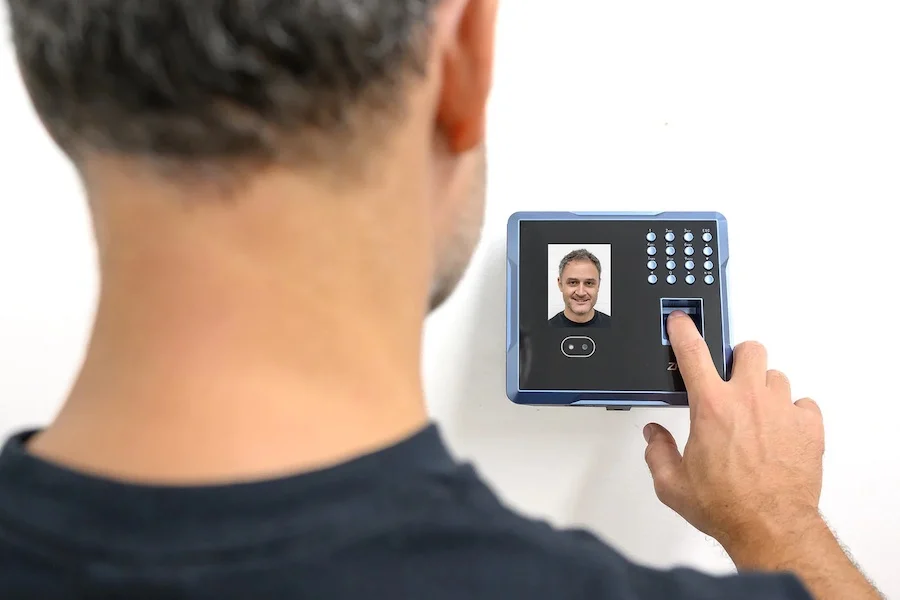
For years, payment security relied on simple methods such as PIN codes or two-step authentication to keep users’ transactions safe from hacks and fraud. However, in recent years, the need for security has ramped up, and the technology used to provide it has improved.
This has led to the use of biometric authentication methods. These include face recognition, fingerprint scanners, and voice recognition systems. Adoption of such methods has surged with the rise of smartphones and a new user demographic. Younger users, in particular, are looking for ways to make their transactions seamless, and they don’t care about data privacy.
What Are Biometric Payments?
Biometric payments refer to the use of physical or behavioural traits to identify the payer in a transaction. The most common of these is a fingerprint, but it can also be a face recognition, or even an iris scan. The system stores biometric data and compares it to the template it has previously safely stored.
It’s widely used in financial transactions and is needed to set up accounts for payment apps. Wider use of crypto has also led to an increase in biometric payments, as those who use crypto are open to new technologies, and traditional financial apps are also adopting it.
Why Biometrics Are Replacing PIN Codes
PIN codes provided the safety users needed for decades, but they are on the way out now. This is mostly because biometrics are safe. Fingerprints and iris scans can’t be copied, hacked, or stolen, unlike PIN codes.
The process is also much smoother when using biometric codes. It’s enough for crypto casino users to point their phone at their face, and they can easily make a payment or withdraw funds to their account. According to experts such as those from CCN, the use of new technologies was pioneered by the gambling industry, but it was quickly accepted by traditional finance as well. Casinos like these operate like any other, accepting fiat and allowing fast transfers without requiring personal IDs.
Key Technologies Driving Biometric Payments
Some of the technologies that are responsible for the rise of biometric safety measures aren’t that new to begin with. Fingerprint scanners have been around for decades. The only thing that’s new is the way templates are stored online.
Facial recognition, on the other hand, is a new technology that has improved and expanded quickly. It’s also the most convenient way to authorize payments or prove identity. All it takes is a picture, and it can be hands-free. It can also be used across multiple devices and apps.
Voice recognition and palm scanning are among the latest technologies in this field, but they have also improved immensely in the last couple of years. Behavioral biometrics, such as typing patterns or device interaction habits, are also commonly used, but only for sophisticated apps that store sensitive and personal data. For instance, crypto trading apps can notice if a left-handed user is using their right hand and therefore be alarmed by it.
Market Growth and Adoption Trends
There’s a growing market for online financial services. More everyday users are trading, saving, and making payments using mobile devices first and foremost. This has created a growing need for a more robust security system that doesn’t require users to memorize codes or PINs. It’s especially true with the rise of crypto use, which is now common.
Young users are also accustomed to completing administrative tasks on their phones and using intuitive interfaces instead of keyboards. The financial markets are looking for ways to accommodate this user base.
Challenges and Risks
The use of biometric data isn’t without its risks and challenges. Users remain cautious about how biometric data is stored. There’s also a concern about selling the data to a third party.
Biometric data can also be hacked, unlike passwords; once it’s stolen, it can’t be changed, leaving users in a particularly vulnerable position. Trust remains the key reason adoption may not proceed as quickly as it could, and it’s up to the financial provider to educate users on the benefits of these safety measures.
The Future of Payments: A Passwordless Economy
The future of online payments probably won’t require passwords at all. Biometrics have become increasingly common, and users are quick to adopt them, as they are convenient and, in many ways, safer than passwords. Fingerprints, face scans, and voice scans are used by bank apps, crypto exchanges, and the trading apps commonly used by everyday traders.
There are also risks in using these, but both the technology and regulations are improving, making things easier for both users and financial institutions.














Leave a comment