

Davos has always been about access. In 2026, Africa proved it no longer struggles for entry. The continent was present, visible, and confident across Africa House, Nigeria House, bilateral meetings, and cultural convenings. Ministers, investors, creatives, and founders showed up in force.
The more important question now is not whether Africa was seen, but whether it was positioned to convert that presence into lasting outcomes.
What Davos 2026 revealed is that Africa’s next decade will not be decided on panel stages. It will be decided in how effectively narrative is converted into capital, and how quickly capital is converted into delivery on the continent.
Africa does not have a visibility problem
Africa does not need more invitations, more stages, or more symbolic representation at Davos. The continent was everywhere this year. The issue is not awareness. The issue is coordination, execution, and follow through.
Too many Davos conversations still end with enthusiasm rather than structure. Warm introductions are mistaken for progress. WhatsApp follow ups replace formal mandates. By the time momentum fades, the opportunity does too.
If Africa is serious about its next growth cycle, it must treat Davos not as a marketplace of ideas, but as a filtering mechanism for serious partners.
Capital is available. Readiness is the constraint.
One of the clearest signals from Davos 2026 was that capital is not the bottleneck. Global capital is abundant, patient, and actively looking for exposure to Africa. What it is increasingly intolerant of is uncertainty.
Investors want clarity on governance, policy consistency, bankability, and execution partners. They want fewer concept notes and more investment ready projects. Fewer promises and more timelines.
This is where Africa must be honest with itself. The next phase of growth will reward those who can move from ambition to implementation. Those who cannot will be bypassed, regardless of how compelling the story sounds on stage.
The Gulf is now central to Africa’s future
A quiet but important shift at Davos was the role of the Gulf. Partners from Qatar and the wider region are no longer exploring Africa from a distance. They are shaping infrastructure, capital flows, and convening power directly.
This is not opportunistic capital. It is long term, strategic, and aligned with Africa’s infrastructure and industrial needs. Africa’s next decade will be built through Africa Gulf corridors that blend capital, policy alignment, and execution discipline.
Those who understand this shift and structure accordingly will move faster than those still anchored to traditional development frameworks.
Culture is no longer soft power. It is economic leverage.
Africa’s cultural presence at Davos was not incidental. Music, sport, and creative industries increasingly act as entry points for global engagement with the continent. They shape perception, de risk unfamiliar markets, and open doors that policy alone cannot.
But culture only becomes power when it is tied to capital and institutions. The next decade belongs to Africans who understand how to align creative influence with investment platforms, policy objectives, and scalable businesses.
Narrative without structure is noise. Narrative with capital becomes momentum.
From panels to platforms
What Africa needs now are fewer parallel conversations and more aligned platforms. Africa House and Nigeria House demonstrated what is possible when leadership, credibility, and ambition come together. The next step is coordination across countries, sectors, and institutions.
By the time the world arrives at WEF Africa 2027, success should not be measured by attendance or applause. It should be measured by deals announced, projects funded, and partnerships already underway.
Africa will not be judged on its potential. It will be judged on its delivery.
Davos 2026 made one thing clear. Africa no longer needs permission to lead. It needs the discipline to execute.
Written by: Josh Wilson
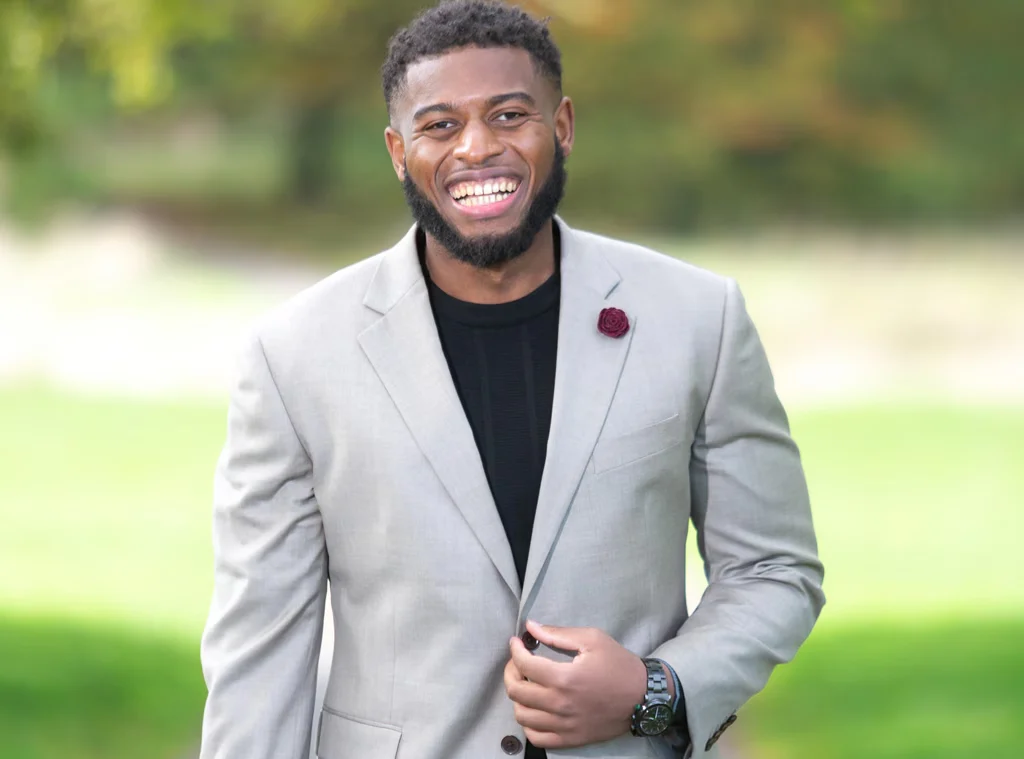
Josh Wilson is the Founder and Managing Director of Global Venture Partners and advisor to WSA’s permanent observer mission to the United Nations. Josh was also listed in Forbes 30 under 30 in 2018.
Read: Kenya Loses Top Avocado Producer in Africa Position to Morocco
>>> East Africa Capital Markets Integration takes Shape








Leave a comment