

BUSINESS

Athi Water Loses Ksh1.2B Annually in Uncollected Bills

Share
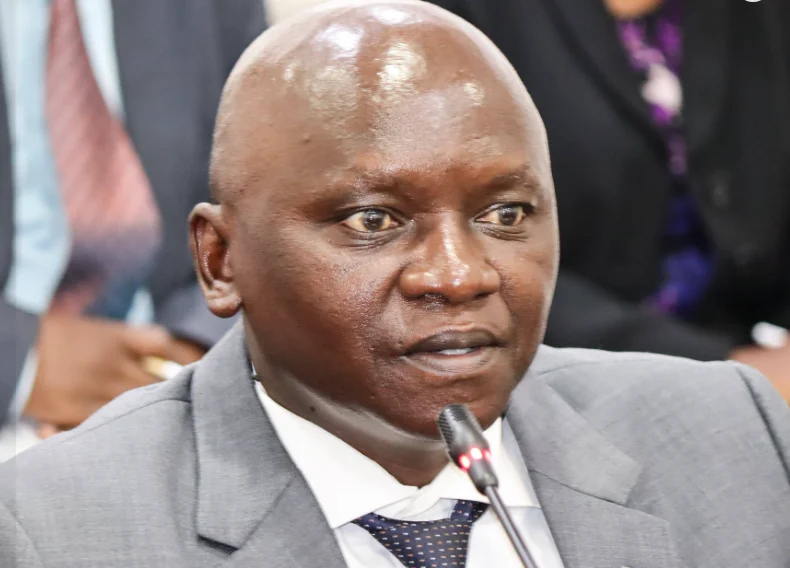
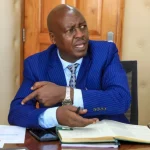
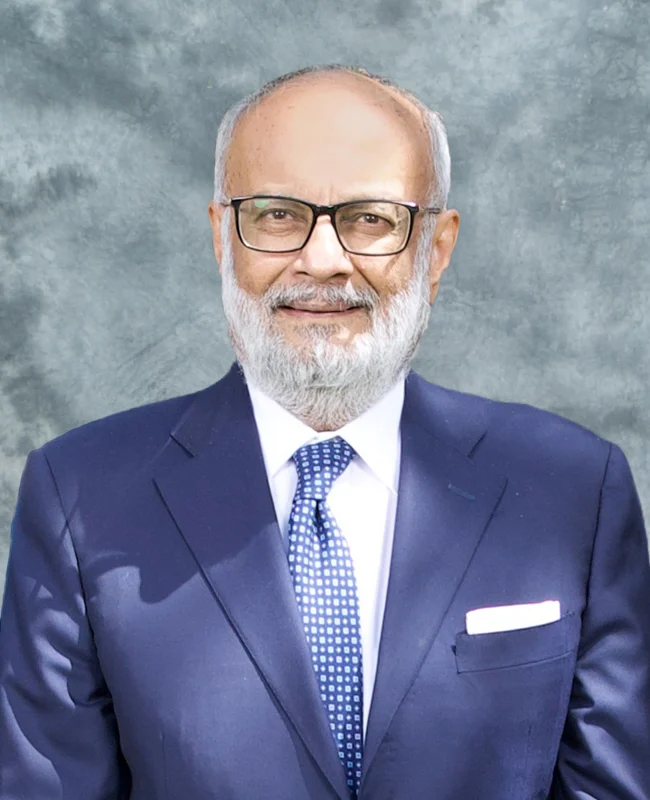
Athi Water CEO Joseph Kamau
Share

Athi Water Works Development Agency is under pressure after it emerged that it is failing to collect more than half of the money it bills for water services, raising questions about efficiency and the future of key infrastructure projects.

The agency told MPs that it loses nearly Ksh 1.2 billion every year due to poor revenue collection, managing to recover only about 44 per cent of what it bills.

Chief Executive Officer Joseph Kamau, while appearing before the National Assembly Committee on Blue Economy, Water and Irrigation, said the situation has persisted for years and continues to strain operations.

“We are now, from the time we started, at 44 per cent. So, we are expecting to collect around Sh1 billion this financial year; these revenues are dictated by the tariff, with a large amount of this money being collected and going to the treasury towards public payment for the loans that were taken to develop the water supply systems,” Kamau said.

Weak collection systems blamed

The agency bills approximately Sh186 million every month, translating to about Ksh 2.2 billion annually. However, more than half of this amount remains uncollected.

Officials pointed to inefficiencies among Water Service Providers, who are tasked with remitting payments, as the main reason behind the shortfall.

Kamau said the agency lacks the legal authority to enforce payments, making it difficult to deal with defaulters.

“We don’t have an enforcement capacity; that is why we are in talks with the Kenya Revenue Authority to collect revenue on our behalf, since the law mandates them as the primary revenue collectors. They have the power to analyse the accounts of these providers and enforce the collections,” he said.

If the plan is approved, the agency expects to improve collections to between 70 and 80 per cent.

The struggles mirror wider challenges in Kenya’s water sector, where losses from unpaid bills, illegal connections and leakages continue to undermine the financial stability of service providers.

Revenue tied to loans and taxes

Even as collection remains low, the agency said much of the revenue it receives is already committed.

A significant share goes towards repaying loans used to finance water infrastructure, leaving little room for day-to-day operations. As a result, the agency depends heavily on government funding to run its activities.

At the same time, officials raised concerns over Value Added Tax on projects, saying failure to secure waivers has increased financial pressure.

They warned that unpaid taxes could lead to contractors’ accounts being frozen, further slowing project implementation.

Projects delayed by funding gaps

Lawmakers questioned why several projects continue to lag despite ongoing budget allocations.

One of the major projects under focus is the Maragua 4 Dam, expected to boost water supply to Nairobi by up to 180,000 cubic metres per day. The Ksh 16 billion project is still incomplete, with design work at around 80 per cent.

Officials blamed the delays on inconsistent funding.

“Inadequate budgetary allocation for the ongoing government-financed projects. The budgetary requirements for the ongoing projects are Ksh 1.7 billion, which will be requested under supplementary I,” Kamau said.

The Karimenu Dam project also drew concern, particularly over delays in compensating residents affected by the reservoir.

The agency said it requires about Ksh 1.2 billion to relocate families and secure the area, warning that delays could lead to encroachment.

MPs demand accountability

Members of the committee, chaired by Marakwet East MP Kangogo Bowen, expressed frustration over slow progress and lack of clarity in budget planning.

They questioned why some projects that are reportedly near completion continue to receive funding without clear timelines for delivery.

There were also concerns about the gap between major project announcements and what is actually implemented on the ground.

In response, the agency said funding constraints remain the biggest hurdle, noting that allocations are often released in phases, slowing down execution.

MPs acknowledged the broader budget challenges facing the government but urged better planning, stronger enforcement and improved accountability.

They warned that without fixing revenue collection and funding gaps, critical water projects risk stalling at a time when water demand continues to rise across Nairobi and its surrounding areas.

Leave a comment

Leave a Reply

Your email address will not be published. Required fields are marked *

PAST ARTICLES AND INSIGHTS

Related Articles
Zul Abdul Board Chairman of Jubilee Holdings
BUSINESSECONOMYINSURANCEMARKETSSTOCKS

Jubilee Holdings Net Profit up 17.58% to KSh 5.55Bn

Jubilee Holdings delivered a strong set of results in 2025 financial year,...

EAPC board
BUSINESS

Kalahari Cement Kicks Out NSSF From East African Portland Board

Kalahari Cement has initiated strategic changes to East African Portland Cement (EAPC)...

Zenith Paramount acqusiation
BUSINESS

Nigeria’s Zenith Bank Acquires 100% Shareholding of Paramount Bank

The Central Bank of Kenya (CBK) has announced the acquisition of 100%...

Centum Plc CEO James Mworia.
BUSINESS

Centum Falls Short of Share Buyback Target After Repurchasing 10.8 Million Shares

A multi-year effort by Centum Investment Company to buy back its own...