


Kenya’s amended Computer Misuse and Cybercrimes Act, 2025, has sparked intense debate among digital rights advocates, legal experts, and content creators. The government maintains the changes are designed to protect citizens from rising online crimes, but critics fear the law could erode freedom of expression if misused.
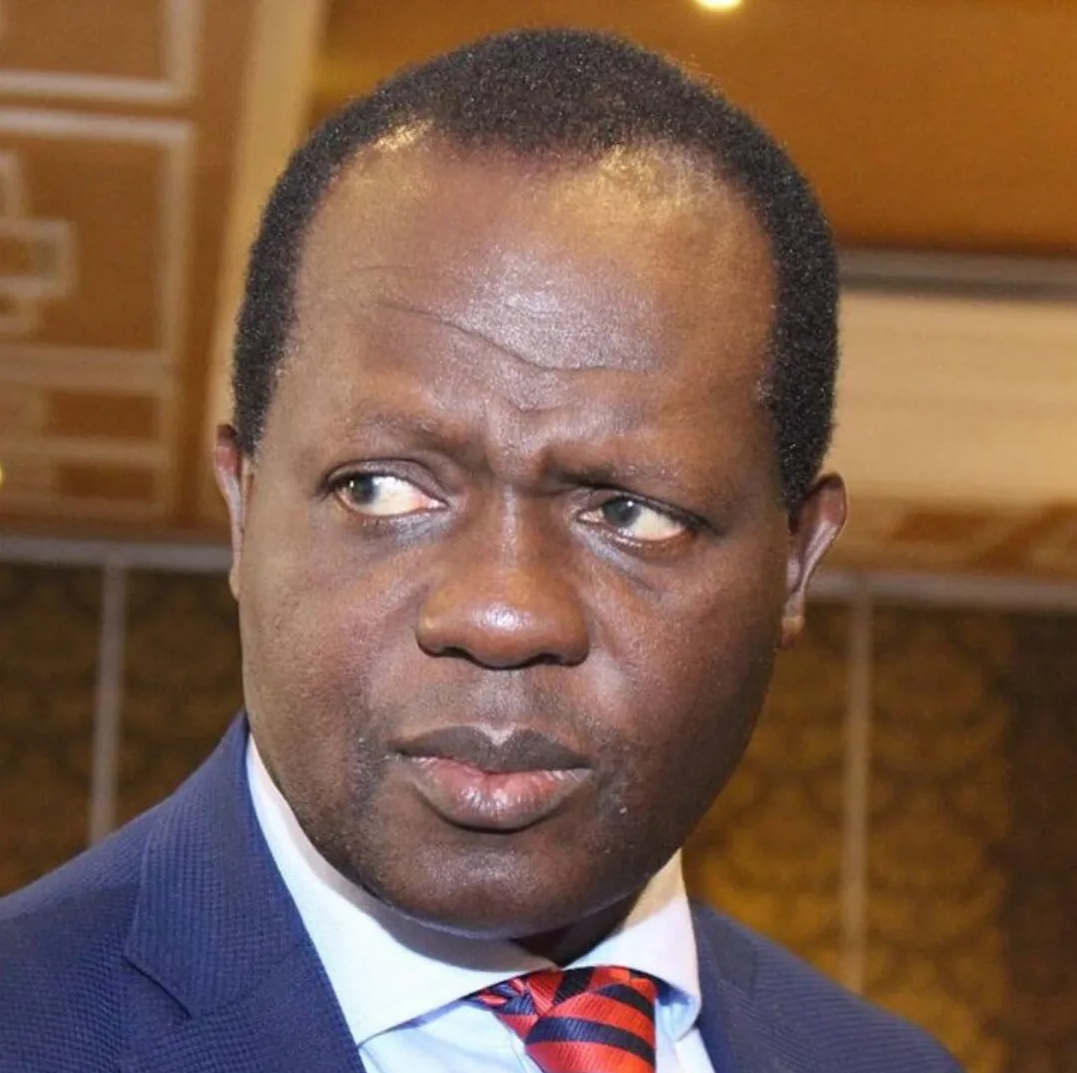
Dr Duncan Ojwang, a constitutional law and human rights scholar with 17 years of teaching experience, says the amendments reflect Kenya’s attempt to modernise its digital governance framework.
“This law represents Kenya’s effort to align cybersecurity enforcement with constitutional guarantees,” Dr Ojwang said. “However, it also tests our commitment to freedom of expression and the rule of law in the online space.”

Website Closure Powers
One of the most contentious clauses gives authorities the power to suspend or shut down websites that publish “demonstrably criminal” content. According to official explanations, the measure targets online platforms promoting terrorism, child exploitation, or digital fraud, not legitimate journalism or opinion pieces.
Dr Ojwang cautioned that such authority must be handled with judicial restraint.
“While swift action is necessary to prevent harm, any provision allowing the state to close a website must be subject to judicial oversight. Otherwise, it risks becoming a tool of censorship,” he said.
The amended Section 28(2) of the Act stipulates, “An authorized officer may, upon obtaining a court order, direct a service provider to remove or disable access to data considered a threat to national security or public order.”
Content Likely to Cause Harm
The new clause on “content likely to cause public or self-harm” has also drawn scrutiny for its perceived vagueness. Critics say it could criminalise emotional expression or satire, while the Act insists it only applies to those who knowingly promote self-harm or suicide.
“The challenge lies in interpretation,” Dr Ojwang explained. “The state must distinguish between harmful material and legitimate mental health discussions or advocacy.”
Safeguards and Oversight
A section of stakeholders have raised alarms that the law could allow arrests or content removals without court approval. The document clarifies that no permanent action can be taken without judicial authorisation, except in emergencies to prevent immediate harm.
“The inclusion of judicial review is a welcome safeguard,” Dr Ojwang noted. “It ensures that state power remains accountable and that actions are proportionate.”
The Act’s Section 43 emphasises that “any seizure, search, or restriction under this Act shall be subject to judicial oversight to ensure compliance with due process.”
Balancing Security and Liberty
Nairobi-based lawyer Jared Mugendi says much of the criticism directed at the law stems from misinterpretation. He argues that the Act was not designed to silence dissent but to combat highly sophisticated crimes that transcend traditional policing.
“Would it be crazy to suggest that law is not meant to protect anyone from insult, ridicule or offense?” Mugendi posed. “No one should walk in life demanding respect for personal sensitivities.”
He warned that applying “situational justification” to the law, such as interpreting it through political or activist lenses, risks undermining its original intent.
“If we adopt situational justification for the cybercrime law, then we fall right into the arguments of the activists,” he said. “The amendments largely focus on organised cybercrime that is extremely difficult to control and punish. Most of these crimes don’t have the typical injury on the person, that is why the wording of the statute is ‘if proved’.”
Mugendi added that the law’s purpose is rooted in protecting the public from grave digital threats, not policing morality.
“When you have people profiteering from child porn, trafficking illicit goods, ripping off millions from Kenyans through bank fraud and illegal interception, then the state has a legitimate interest to protect the order of society,” he said. “It is constituted to do so — never to preserve or become an arbiter of morals.”
Oversight Committee
The National Computer and Cybercrimes Coordination Committee (NC4), established under Section 4 of the original 2018 Act, retains its role in the new framework. It coordinates law enforcement, intelligence, and regulatory agencies in tackling cyber threats. The committee does not have censorship or prosecutorial powers.
“The NC4’s role should be technical, not political,” said Dr Ojwang. “Transparency in its operations will determine whether it builds or erodes public trust.”
“Many Kenyans simply don’t know what this law covers,” Dr Ojwang observed. “Public education is essential; people must understand that digital rights are still protected under the Constitution.”
The Computer Misuse and Cybercrimes (Amendment) Act, 2025 aims to strike a delicate balance between defending citizens from complex online threats and preserving fundamental freedoms. Experts agree that its success will depend not on its text, but on its implementation.
“The real test of this law will be in how it’s applied,” Dr. Ojwang concluded. “If enforced transparently and with respect for due process, it could strengthen Kenya’s cybersecurity landscape. If abused, it could roll back years of progress in digital freedom.”
Read: List Of Computer Misuse Offenses That Could Land You In Trouble With Govt
>>> Banks to Benefit from CBK’s New Cybersecurity Hub













They were honest about what was possible and kept me updated throughout. In the end they managed to recover a portion of my lost crypto. I’m really glad I reached out. If you’ve been scammed they’re worth contacting. [email protected]