


Seven commercial banks in Kenya failed to maintain the minimum core capital required by the banking regulator, raising questions about their financial preparedness as the industry moves towards higher capital requirements.
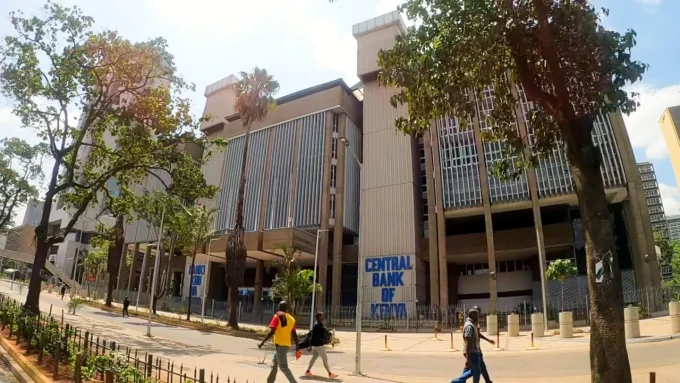
The Central Bank of Kenya (CBK) disclosed the breaches in its latest Bank Supervision Annual Report, stating that the affected lenders had not met the Sh3 billion minimum set under Section 7(1) of the Banking Act.
The regulator said, “Seven commercial banks were in violation of Section 7(1) of the Banking Act due to failure to maintain the minimum core capital required of Ksh 3 billion.”
Core capital represents the financial resources a bank holds to support its operations and absorb losses. The requirement is intended to ensure that lenders have a sufficient financial cushion while protecting the stability of the banking system.
The Ksh 3 billion threshold replaced the previous minimum of Ksh 1 billion. The increase is part of a wider capital reform programme that will progressively raise the amount banks must hold.
Under the original schedule, the minimum requirement was set to rise to Ksh 5 billion in December 2026, followed by Ksh 6 billion in 2027, Ksh 8 billion in 2028 and Ksh 10 billion in 2029. However, the Treasury has proposed extending the deadline for reaching Sh10 billion to December 2032, meaning the implementation timeline remains subject to changes.
The capital reforms have pushed banks to explore different ways of strengthening their balance sheets, including additional shareholder funding, rights issues and potential mergers or acquisitions.
CBK also identified breaches involving other capital adequacy requirements. Five commercial banks were found to have violated Section 18 of the Banking Act and the regulator’s Prudential Guideline on Capital Adequacy.
Four lenders failed to achieve the minimum core capital to total risk-weighted assets ratio of 10.5 per cent. Three banks also fell below the required core capital to total deposits ratio of eight per cent.
Risk-weighted assets measure the level of risk attached to a bank’s assets, helping determine how much capital it needs to maintain. The capital-to-deposits ratio, meanwhile, assesses the level of core capital available relative to customer deposits.
The report does not identify the seven banks in the cited summary. Their individual identities and the specific remedial measures taken cannot therefore be confirmed from the findings provided.
The disclosures come as CBK continues monitoring compliance with capital requirements across the banking sector, with lenders expected to strengthen their financial positions as regulatory thresholds increase.













Leave a comment