


The Central Bank of Kenya (CBK) has joined other African financial regulators and industry players in backing the wider adoption of the Pan-African Payment and Settlement System (PAPSS), a move expected to save African economies more than Ksh 646 billion ($5 billion) annually by making cross-border payments faster, cheaper and more efficient.
The payment platform allows businesses, banks and other financial institutions to settle transactions in their local currencies instead of relying on correspondent banks outside Africa and routing payments through foreign currencies such as the US dollar. Financial experts say the current system increases transaction costs, causes delays and exposes businesses to foreign exchange risks that make trading across the continent unnecessarily expensive.
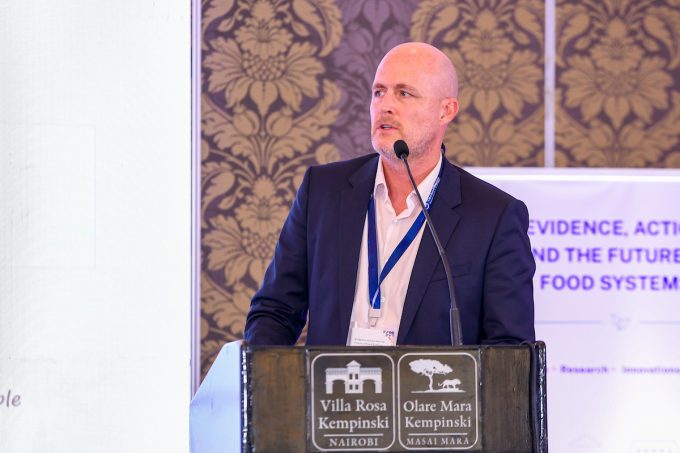
CBK was among the institutions represented at the Montran Africa Market Infrastructure Summit, where central banks, regulators, commercial banks, fintech firms and payment technology providers discussed the future of Africa’s payment infrastructure and the role it will play in supporting regional trade.
The summit comes as African countries continue implementing the African Continental Free Trade Area (AfCFTA), which aims to create a single market for goods and services across the continent. While many trade barriers are gradually being removed, payment experts say moving money across African borders remains one of the biggest obstacles to doing business.
Today, many payments between African countries still pass through banks outside the continent before reaching the intended recipient. A payment from Kenya to another African country may first be converted into US dollars and processed overseas before being converted into the destination country’s currency. This process often attracts multiple charges, takes several days to complete and increases costs for businesses.
PAPSS was introduced by the African Export-Import Bank (Afreximbank) in partnership with the African Union and the AfCFTA Secretariat to address this challenge. The platform enables participating countries to settle transactions directly using their own currencies while the system handles the exchange behind the scenes.
Experts believe this will lower transaction costs, reduce settlement times and make regional trade more attractive for businesses, especially small and medium-sized enterprises that often struggle with high international banking charges.
Montran Africa Regional Executive Director Wohoro Ndohho said African markets are demanding payment systems that are designed around the continent’s unique needs instead of depending on external financial infrastructure.
“What we are seeing is demand for systems that are inclusive, interoperable, and built for scale, and those systems must be designed with African realities in mind,” he said.
For Kenya, the benefits could extend beyond the banking sector. Exporters would receive payments more quickly, importers would face lower transaction costs, manufacturers could trade more competitively across African markets and financial institutions would process cross-border transactions more efficiently. Businesses expanding into neighbouring countries would also find it easier to move money without incurring expensive conversion fees.
Industry projections presented during the summit show that cross-border payment volumes across Africa are expected to almost triple from the current $329 billion to around $1 trillion by 2035. The growth is expected to be driven by rising regional trade, expanding digital commerce, increased mobile money usage and greater financial inclusion.
Participants agreed that handling this growth will require more than introducing new technology. Central banks, governments, commercial banks and fintech companies will need to harmonise payment standards, strengthen regulatory cooperation and invest in modern financial infrastructure capable of handling large transaction volumes securely.
Among the key priorities identified were wider adoption of the ISO 20022 global financial messaging standard, expansion of modern Real-Time Gross Settlement (RTGS) systems and the development of interoperable regional payment networks that can move money quickly and safely between countries.
The summit also highlighted the increasing integration of payment systems, mobile money platforms and capital markets, saying stronger connections between these sectors will improve access to financial services, boost liquidity and support economic growth across Africa.
As Kenya continues modernising its payment ecosystem, the wider adoption of PAPSS is expected to strengthen the country’s position in regional trade while helping businesses save money, reduce delays and take advantage of new opportunities created under the African Continental Free Trade Area.



![The expressway is a 27-kilometre toll road running from the Jomo Kenyatta International Airport (JKIA) to Westlands, Nairobi. [Photo/ NMG]](https://businesstoday.co.ke/wp-content/uploads/2022/05/images-67.jpeg)






Leave a comment