

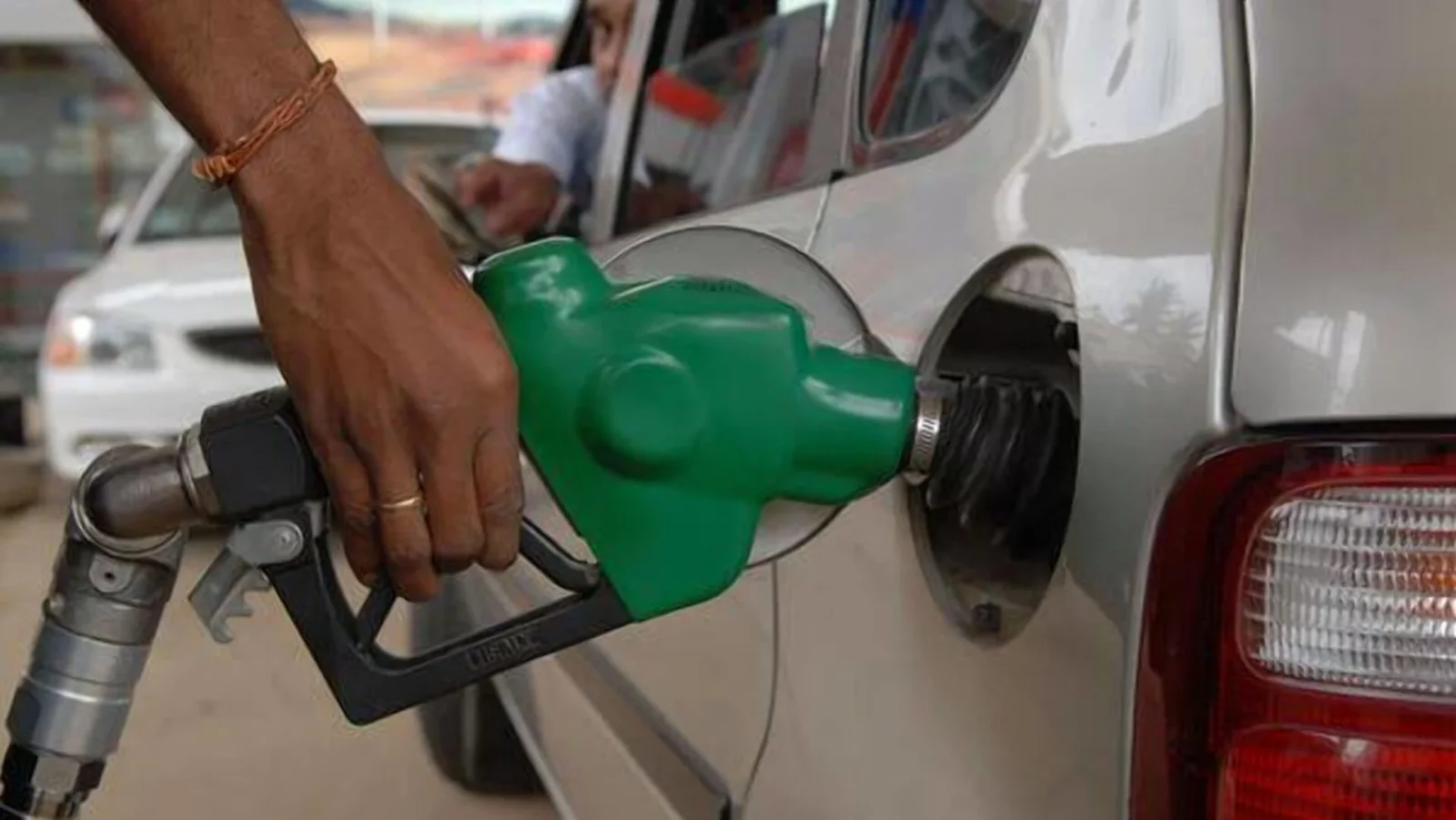
Kenya’s worsening fuel crisis took a new twist on Monday, May 18, after the government proposed increasing kerosene prices in an attempt to stop widespread fuel adulteration that has been blamed for damaging diesel engines across the country.
The announcement came on the same day the country witnessed one of the biggest transport shutdowns in recent years, with matatu operators, truck drivers, boda boda riders and other transport players paralysing transport systems through a nationwide strike over soaring fuel prices.
Across Nairobi, Kitengela, Kawangware, Githurai, Mombasa and several other towns, commuters were stranded for hours as roads were blocked using stones, burning tyres and barricades. In some areas, schools remained closed while businesses shut down as protests intensified.
During a press briefing held at Transcom House, Energy Cabinet Secretary Opiyo Wandayi said the government was now considering narrowing the huge price gap between diesel and kerosene after concerns emerged that some traders and motorists were mixing the two fuels.
“For prudence purposes and to eliminate the risk of fuel adulteration on account of this huge disparity… we are going to bridge the gap between the prices of diesel and petrol. That would mean, therefore, that the price of kerosene and petrol would have to go higher as that of diesel comes lower,” Wandayi said.
Kerosene hikes
The proposal has already sparked concern among ordinary Kenyans, especially low-income households that heavily rely on kerosene for cooking and lighting.
Currently, diesel in Nairobi is retailing at Ksh 242.92 per litre while kerosene remains at Ksh 152.78, creating a gap of more than Ksh 90.
Government officials say the wide difference has encouraged fuel adulteration, where kerosene is illegally mixed with diesel to increase profits.
While the practice may appear cheaper in the short term, experts warn it causes serious engine problems, especially for diesel-powered vehicles such as matatus, buses, trucks and commercial vans that transport goods and passengers daily.
The government fears the situation could cripple the transport and logistics sector if left unchecked.
Wandayi said consultations had already been held between the government, the Energy and Petroleum Regulatory Authority (EPRA) and transport stakeholders before the proposal was floated.
However, the meeting quickly exposed sharp divisions between the government and transport operators.
Some leaders who attended the talks publicly rejected claims that an agreement had been reached.
“We did not agree on anything… the strike is still on,” one transport stakeholder declared during the briefing.
The hardline stance came as thousands of transport operators accused the government of ignoring the economic pain caused by the latest fuel hikes.
Fuel prices
Last week, EPRA announced another sharp increase in fuel prices for the May 15 to June 14 cycle. Petrol rose by Ksh 16.65 per litre while diesel jumped by a staggering Ksh 46.29 per litre.
The latest review pushed pump prices in Nairobi to Ksh 214.25 for petrol and Ksh 242.92 for diesel, the highest levels seen in the country’s history.
The sharp rise has triggered anger across the country because diesel powers most of Kenya’s economy.
From matatus and long-distance trucks to food transport and farming machinery, diesel costs directly affect transport fares and prices of basic commodities.
Online, many Kenyans expressed frustration as the effects of the increases began biting immediately.
One Kenyan reacting online wrote:
“Diesel runs almost all local logistics. There will be a downstream effect on nearly every single industry.”
Another added:
“An increase of fuel from 170 shillings to 240 shillings will cause cascading effects on food prices, milk prices, bus fare prices and electricity tokens.”
Others criticised the government for maintaining high taxes on fuel despite the economic hardship.
Transport operators are now demanding the removal of the eight per cent VAT on petroleum products as well as the Ksh25 Road Maintenance Levy, arguing that taxes are making fuel unaffordable.
Treasury Cabinet Secretary John Mbadi defended the government’s position, saying the crisis was global and not unique to Kenya.
“Fuel is in this country. It’s only arriving at higher prices,” Mbadi said.
He also warned against calls to scrap fuel taxes completely, saying such a move would hurt government revenue collection and affect funding for public services.
Deputy President Kithure Kindiki said government interventions had already prevented prices from becoming worse.
According to Kindiki, without state intervention, fuel prices could have reached nearly Ksh400 per litre.
The current fuel crisis has largely been linked to instability in the Middle East, particularly tensions involving Iran, Israel and the United States that disrupted global oil supply routes earlier this year.
Kenya imports nearly all its petroleum products from Gulf countries under government-to-government deals, making the country heavily dependent on international oil markets.
The disruption of shipping through the Strait of Hormuz, one of the world’s busiest oil transit routes, pushed global crude prices sharply higher and increased import costs for countries like Kenya.
Reuters reported that Kenya’s fuel prices had already risen sharply in April before the latest May increase pushed the situation further.
Even with government subsidies, the increases have continued piling pressure on households already struggling with the high cost of living.
EPRA confirmed the government used nearly Ksh 5 billion from the Petroleum Development Levy Fund to cushion diesel and kerosene prices during the latest review cycle.
Still, the relief did little to calm the growing anger.
On Monday morning, the nationwide strike organised by the Transport Sector Alliance brought movement to a near standstill in several towns.
In Kitengela, sections of Namanga Road were blocked as demonstrators lit fires and barricaded roads.
In parts of Nairobi, police fired tear gas to disperse crowds as stranded commuters walked for long distances to work.
Mombasa also experienced fears of supply chain delays as transporters suspended operations.
Interior Cabinet Secretary Kipchumba Murkomen confirmed that four people died during the protests, while more than 30 others were injured.
“Regrettably, there are politicians… who measure the success of opposition… by the number of innocent lives lost,” Murkomen said.
Police also announced the arrest of more than 200 people linked to the unrest, saying several incidents involved the destruction of property and attacks on officers.
Authorities confirmed that six police officers were injured during clashes with protesters.
Meanwhile, pressure continues mounting on the government from legal and civil society groups.
The Law Society of Kenya has threatened legal action over the fuel hikes, arguing that the increases are worsening the economic burden on Kenyans.
For many wananchi, however, the biggest concern remains survival.
With transport fares already rising, food prices expected to increase further, and businesses warning of higher operating costs, many Kenyans fear the fuel crisis could soon trigger an even deeper cost-of-living crisis across the country.














Leave a comment