

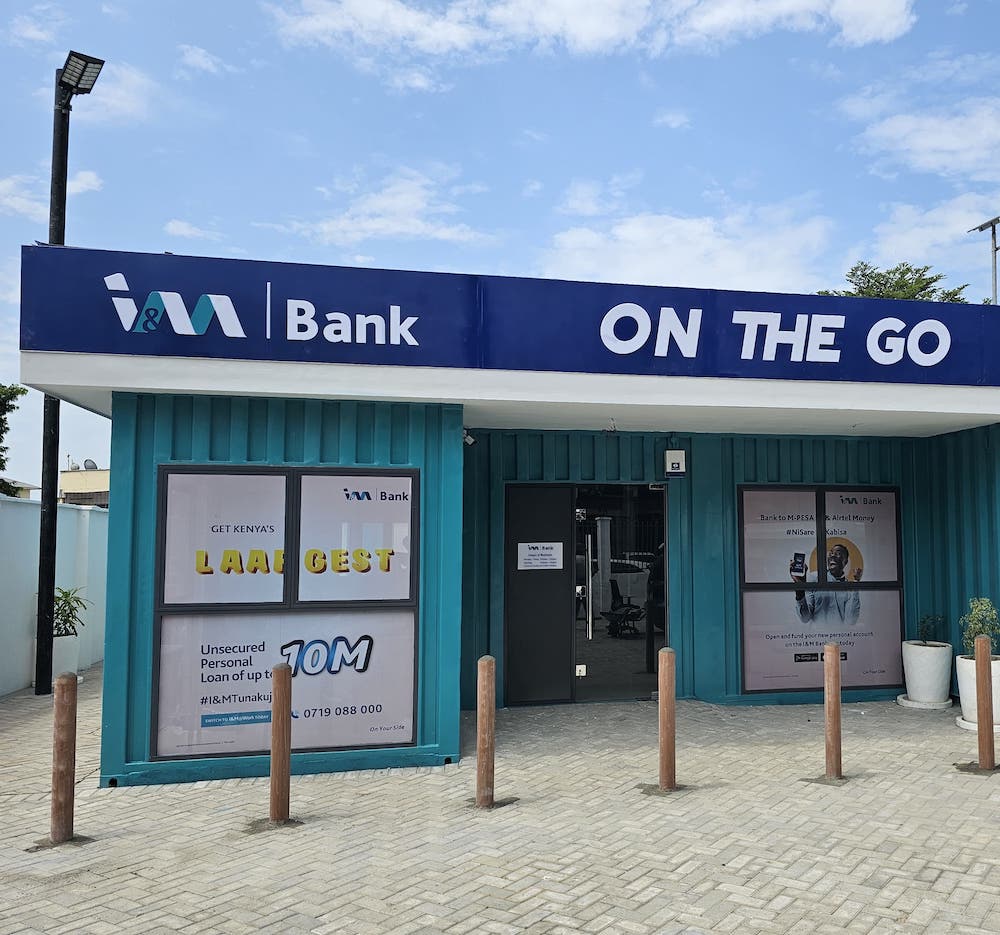
The I&M Group, which has subsidiaries in Kenya, Rwanda, Tanzania, Uganda and Mauritius, saw its Bond attract KSh 23.2 Billion in applications against an initial KSh 10 Billion target, translating to a 232.26% subscription rate.
A successful bond sale by I&M Group, is a strong indication that there still appetite for fixed income products in Kenya. After exercising the greenshoe option, the I&M took up a additional KSh 13 Billion which was successfully allotted.
A few things stand out. The minimum investment was KSh 500,000, meaning this was largely sophisticated and institutional money participating. Investors were comfortable locking in capital at a 12.2% gross annual coupon. Demand for quality investment products in Kenya continues to grow rapidly.
This also confirms a broader market trend. There is significant liquidity in the market seeking structured, credible and income-generating opportunities.
Over the last few years, Kenya has seen strong growth in fund managers, collective investment schemes, pension allocations, SACCO liquidity, and high-net-worth participation in capital markets.
What investors are searching for is trust, stability, yield, and credible issuers.
“The success of this bond is not just about I&M Bank. It is another indicator of the continued deepening and maturation of Kenya’s capital markets,” said Dedan Maina, CFA at Ketu Capital.
I&M Bank launched the first tranche under its KSh 20Bn Medium-Term Note programme, bringing a competitive fixed-income opportunity to the market.
The Bond has a coupon rate fixed at 12.20% with a 5.5-year tenor and targeted KSh 10 billion: Up to KSh 10Bn with a green shoe option of KSh 3 billion and minimum investment amount of KSh 500,000.00
I&M Intends to use proceeds from the MTN programme for Credit expansion (onward lending), Balance sheet support for long-term growth and Tier II capital strengthening.
The offer closed on 15th May 2026 and will be listed at the Nairobi Securities Exchange on 21st May 2026.
Analysts share the view that at 12.20%, the note prices within the upper band of recent corporate issuances, reflecting tight but still attractive spreads in a moderating rate environment.
The Tier II qualification enhances capital buffers, positioning the bank for credit growth as liquidity conditions gradually ease.











Leave a comment