

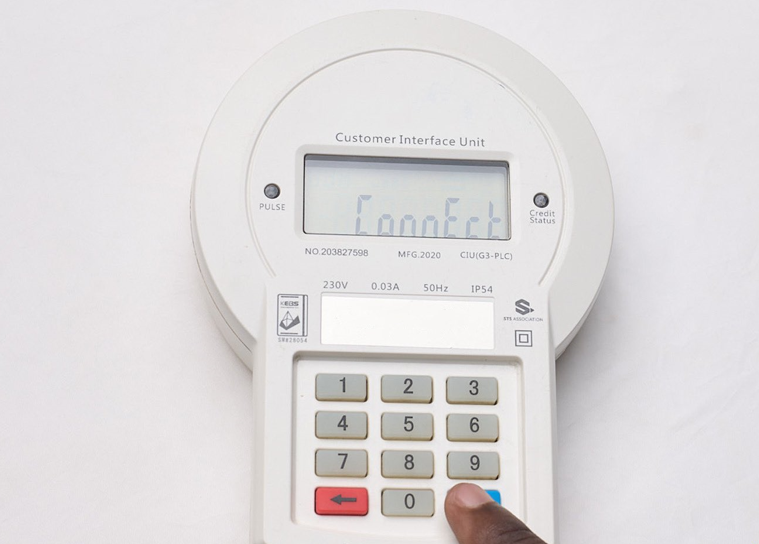
Kenya’s electricity consumers are set to feel another squeeze on their monthly bills after the Energy and Petroleum Regulatory Authority (EPRA) announced new adjustments that will take effect in April 2026.
The regulator, through a notice published in the Kenya Gazette, introduced three separate charges that will be added to the cost of every unit of electricity consumed. These are the Foreign Exchange Fluctuation Adjustment, the Water Resource levy, and the Fuel Energy Cost Charge (FECC).
EPRA says the changes are part of its routine tariff review process, meant to align electricity prices with the actual cost of producing and distributing power in the country.
Currency swings push up power costs
At the centre of the new increase is the Foreign Exchange Fluctuation Adjustment, which will add 123.41 cents for every kilowatt-hour used.
This charge comes from losses linked to exchange rate movements that affect key players in the energy sector, including Kenya Power, Kenya Electricity Generating Company, and Independent Power Producers.
According to EPRA, costs related to foreign exchange in March 2026 alone crossed Sh1.3 billion. These costs are largely tied to dollar-denominated loans, imported equipment, and fuel purchases used in electricity generation.
The adjustment is therefore meant to help energy firms recover those costs as the shilling continues to fluctuate against major currencies.
Consumers will also see a Water Resource Management Authority (WRMA) levy of 1.54 cents per kWh added to their bills.
This charge applies specifically to hydroelectric power generation, which remains a major source of electricity in Kenya. It covers water use from dams such as Masinga, Kiambere, and Gitaru, which are key in supplying the national grid.
Although the amount is small compared to other charges, it contributes to the overall rise in the final bill and is meant to support water resource management in areas where hydropower is generated.
The most significant impact on consumers comes from the Fuel Energy Cost Charge, which adds 347 cents per kWh.
This is linked to the use of diesel and other fossil fuels in thermal power plants that are activated when demand rises or when hydropower production drops, especially during dry seasons.
These plants are expensive to run, and their dependence on imported fuel makes them highly sensitive to global oil prices and transport costs.
EPRA notes that this component remains the largest contributor to the overall increase in electricity costs this month.
EPRA defends the adjustments
EPRA Acting Director-General Joseph Oketch has defended the new charges, saying they reflect the real cost of keeping electricity supply stable in the country.
He said: “The adjustments are necessary to reflect the actual cost of generating and supplying electricity amid fluctuating fuel prices and currency shifts.”
His remarks point to the ongoing challenge of balancing affordability for consumers with the financial sustainability of power producers who rely on imported fuel and foreign currency financing.
The effect of the new charges will not be the same across Kenya.
Consumers in remote and off-grid areas are expected to feel the highest impact. These regions depend heavily on diesel-powered generators, which are expensive due to fuel transport costs and limited infrastructure.
Counties such as Turkana, Lamu, and parts of Homa Bay are likely to be among the most affected due to the high cost of delivering fuel to these areas.
In contrast, regions supplied by geothermal power, particularly areas around Olkaria, will experience relatively lower increases. Geothermal energy remains one of the cheapest and most stable sources of electricity in Kenya, helping to cushion consumers connected to that grid.
Overall, the combination of the three charges means higher electricity bills for most Kenyans starting this month. The fuel charge carries the heaviest weight, followed by the forex adjustment, while the water levy adds a smaller but still noticeable increment.
For households and small businesses already dealing with high living costs, the increase adds more pressure to monthly budgets. Electricity bills in Kenya continue to fluctuate due to monthly tariff reviews based on fuel prices, rainfall patterns, and currency performance.
As the country continues to rely on a mix of hydro, geothermal, wind, and thermal power, consumers are likely to keep feeling the effects of global oil prices and exchange rate movements in their monthly bills.










Leave a comment