

Kenya’s efforts to reshape its Special Economic Zones (SEZ) policy are gathering momentum, with Parliament now weighing proposals that could significantly widen participation in the country’s oil and gas industry while also raising questions about fiscal implications.
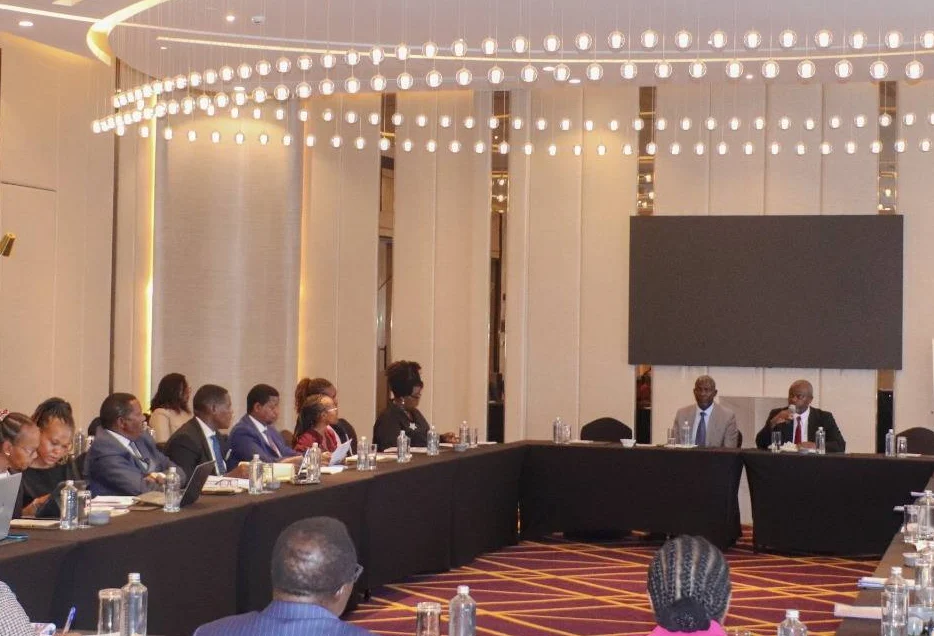
At the centre of the discussion is the Special Economic Zones (Amendment) Bill, which is being examined by the Departmental Committee on Trade, Industry and Cooperatives.
The proposed changes aim to extend SEZ tax incentives and related benefits to upstream and midstream petroleum activities—segments that include exploration, extraction, transportation, and early-stage processing of oil and gas.
Industry players, including Gulf Energy, have expressed support for the reforms, saying they could help shift Kenya’s petroleum sector toward greater local participation.
According to the firm, the current structure has largely favoured multinational corporations due to the high capital requirements and long timelines involved in oil and gas projects.
Gulf Energy argues that the proposed framework would make it easier for domestic investors to enter and remain competitive in a sector where projects often take decades to mature. The company also maintains that predictable incentives and a cleaner regulatory environment would improve access to financing, which remains one of the biggest hurdles for local firms.
“Petroleum projects often run for 10 to 25 years, and the proposed framework would enhance investor confidence, ease financing, and support infrastructure development,” the company said in its presentation to the committee.
The firm further noted that expanding SEZ coverage to include upstream petroleum activities could create ripple effects across the broader economy. It pointed out that sectors such as refining, petrochemicals, fertiliser production, plastics manufacturing, and LPG distribution could all benefit from increased activity in oil and gas.
In addition, Gulf Energy highlighted the potential role of small and medium enterprises, saying they could gain access to new business opportunities through subcontracting, partnerships, and supply chain participation. Lower operational costs and simplified regulatory requirements under SEZs, it argued, could make it easier for such businesses to engage in large-scale energy projects.
Revenue concerns and stakeholder input
Lawmakers, however, are approaching the proposals with caution, particularly over concerns that expanding tax incentives may reduce government revenue at a time when fiscal pressures remain high.
One of the vocal critics, Samuel Parashina, questioned whether the new incentives would overlap with existing benefits already enjoyed by oil and gas companies under current legislation. He warned that layering additional concessions on top of existing ones could lead to excessive tax relief.
Parashina also raised specific concerns about ongoing and planned exploration activities in regions such as South Lokichar, suggesting that the proposed changes could have long-term implications for public earnings if not carefully calibrated.
Other stakeholders who have appeared before the committee include Kenya Revenue Authority, Special Economic Zones Authority, and National Environmental Management Authority, alongside representatives from industry associations and private sector groups. Their submissions are expected to help shape the committee’s understanding of the economic, environmental, and administrative impacts of the bill.
The involvement of these institutions is particularly important given the cross-cutting nature of the petroleum sector, which intersects with taxation, environmental regulation, investment policy, and industrial development. For instance, tax authorities are expected to guide on revenue implications, while environmental regulators are likely to assess the potential risks associated with expanding upstream activities within designated economic zones.
As deliberations continue, the committee is expected to consolidate stakeholder views before presenting its recommendations to Parliament. The outcome will determine whether the proposed amendments proceed in their current form, are revised, or are subjected to further scrutiny.
The debate reflects a broader policy balancing act: on one hand, the need to attract investment and strengthen Kenya’s position in the regional energy market, and on the other, the imperative to safeguard public revenue and ensure that any incentives granted translate into tangible national benefits over the long term.









![The expressway is a 27-kilometre toll road running from the Jomo Kenyatta International Airport (JKIA) to Westlands, Nairobi. [Photo/ NMG]](https://businesstoday.co.ke/wp-content/uploads/2022/05/images-67.jpeg)



Leave a comment