

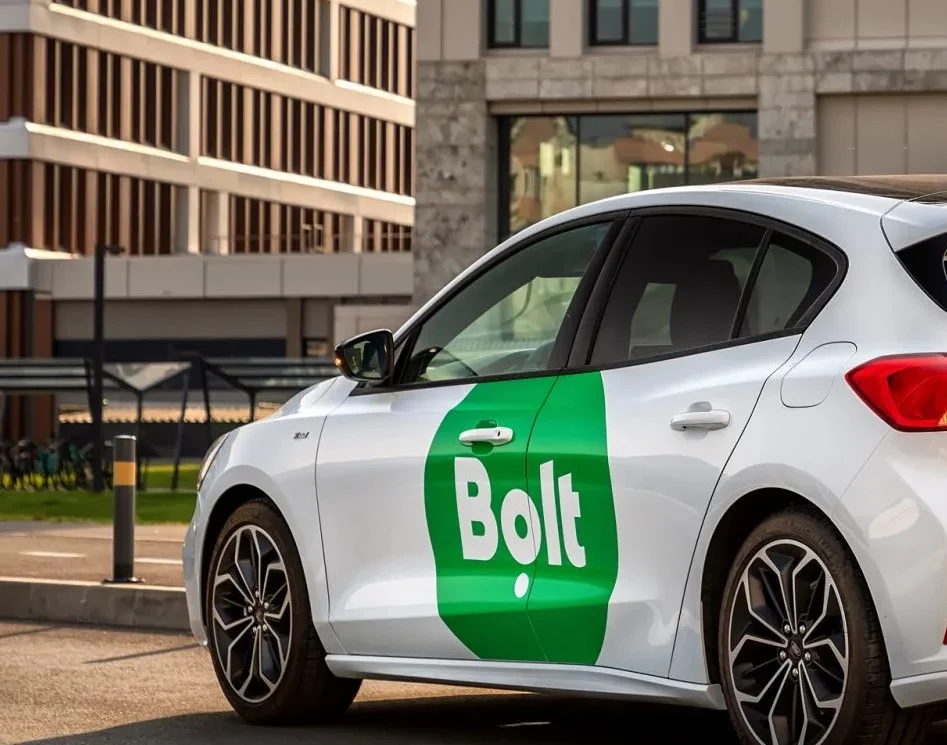
Ride-hailing is quickly becoming a serious income stream for many Kenyans, with new data showing that some drivers are making far more than what was once considered typical in the sector.
According to the latest report by Bolt, drivers on the platform are earning an average of Ksh 63,000 per month, while those operating motorcycles bring in slightly less at about Ksh 56,000. The figures highlight how earnings can differ depending on the type of service and level of activity on the app.
Releasing the report in Nairobi, the company said the numbers reflect a growing shift towards app-based work, especially among young people looking for flexible ways to earn.
Bolt’s East Africa General Manager Dimmy Kanyankole said the platform continues to offer strong earning potential, although results vary widely from one driver to another.
“The average earning for Bolt drivers is Sh63,000. For bikes, they are making an average of Ksh 56,000 per month,” he said.
He pointed out that the top earners are pulling in significantly higher amounts. “Top 20 per cent of drivers earn Sh184,000, with our single top-earning driver earning Ksh 400,000 per month.”
The report paints a picture of a sector where effort, timing and consistency can make a big difference. Drivers who stay online longer, accept more trips and maintain good ratings tend to benefit the most from bonuses and incentives offered on the platform.
Above average
This trend is not entirely new. In previous insights shared by Bolt, the company noted that its top drivers consistently outperformed the average, with some earning over Ksh 200,000 per month when incentives and bonuses are factored in. That gap between average and top earners continues to define the gig economy, where income is not fixed but depends on how much one puts in.
At the same time, more people are joining ride-hailing platforms, drawn by the promise of daily earnings and flexible schedules. The rise in demand for convenient transport in urban centres has also played a role in keeping drivers busy, particularly during peak hours.
Still, the earnings come with their own realities. The figures shared in the report are before expenses such as fuel, servicing, insurance and platform fees are deducted. This means what drivers actually take home can be much lower, depending on their costs and how efficiently they operate.
Even with these challenges, ride-hailing is steadily cementing its place in Kenya’s job market. For many, it is no longer just a side hustle but a primary source of income, offering an alternative path in an economy where formal employment opportunities remain limited.

![Parliament in a past session. [Photo/Parliament of Kenya/Facebook]](https://businesstoday.co.ke/wp-content/uploads/2026/02/Parliament-Kenya-150x150.webp)













Leave a comment