


The banking industry has proposed a downward review of Pay As You Earn (PAYE) tax bands to raise the minimum taxable personal income from the current Ksh24,000 to Ksh30,000, with maximum PAYE band at 30%. The industry says it is confident this will boost disposable income, empower workers, support Micro, Small, and Medium Enterprises (MSMEs), and increase revenue collection by the government through increased consumption and investment.
In a 10-point proposal that comes at a time when the National Treasury has invited comments on tax policies to inform the Finance Bill 2026, the Kenya Bankers Association (KBA), argues that lowering the tax bands will widen the tax base, increase revenue to the government while encouraging savings and investment in businesses.
Under the proposal, the industry suggests that income below Ksh 30,000 be exempt from PAYE, income between Ksh 30,001 and Ksh 50,000 be taxed at 15%, income from Ksh 50,001 to Ksh 100,000 at 20%, income between Ksh 100,001 and Ksh 400,000 at 25%, and income above Ksh 400,000 at 30%.
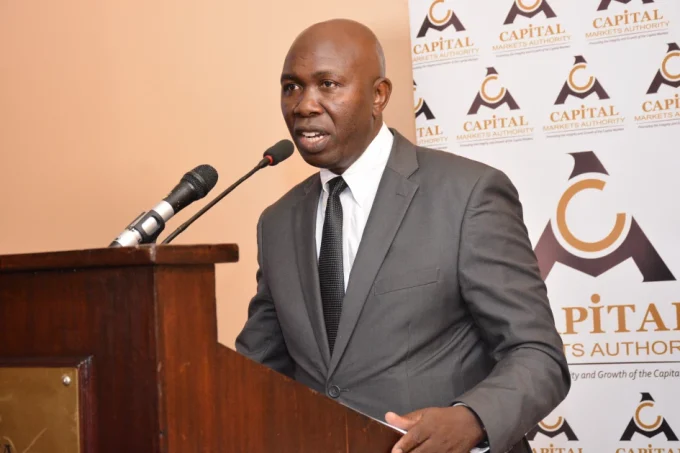
“The purchasing power of salaried Kenyans has fallen significantly in recent years. Adjusting PAYE bands is a practical step to restore household income, stimulate spending, and support businesses,” said KBA CEO Mr Raimond Molenje, who added that when workers take home more pay, they spend more, save more, and invest more, in turn strengthening the economy, improving loan repayment, and ultimately growing government revenue.
The proposal also recommends easing Withholding Tax and Withholding VAT remittance timelines, allowing remittance by the 5th day of the month following deduction. KBA noted that this measure would reduce compliance costs, improve cash flow for businesses, and encourage formalisation and adoption of digital payments.
Currently, PAYE rates under the Finance Act 2023 are at 10% on the first Ksh 24,000; 25% on the next Ksh 8,333; 30% on the next Ksh 467,667; 32.5% on the next Ksh 300,000; and 35% on income above Ksh 800,000.
Additional deductions, including the 1.5% Affordable Housing Levy, 2.75% Social Health Insurance Fund contribution, and rising NSSF contributions, have significantly reduced real wages, which fell by 10.7% according to the Parliamentary Budget Office Report 2025.
> Conflict of Interest: The Dark Chapter in Kenya’s Book Publishing Industry











Leave a comment