

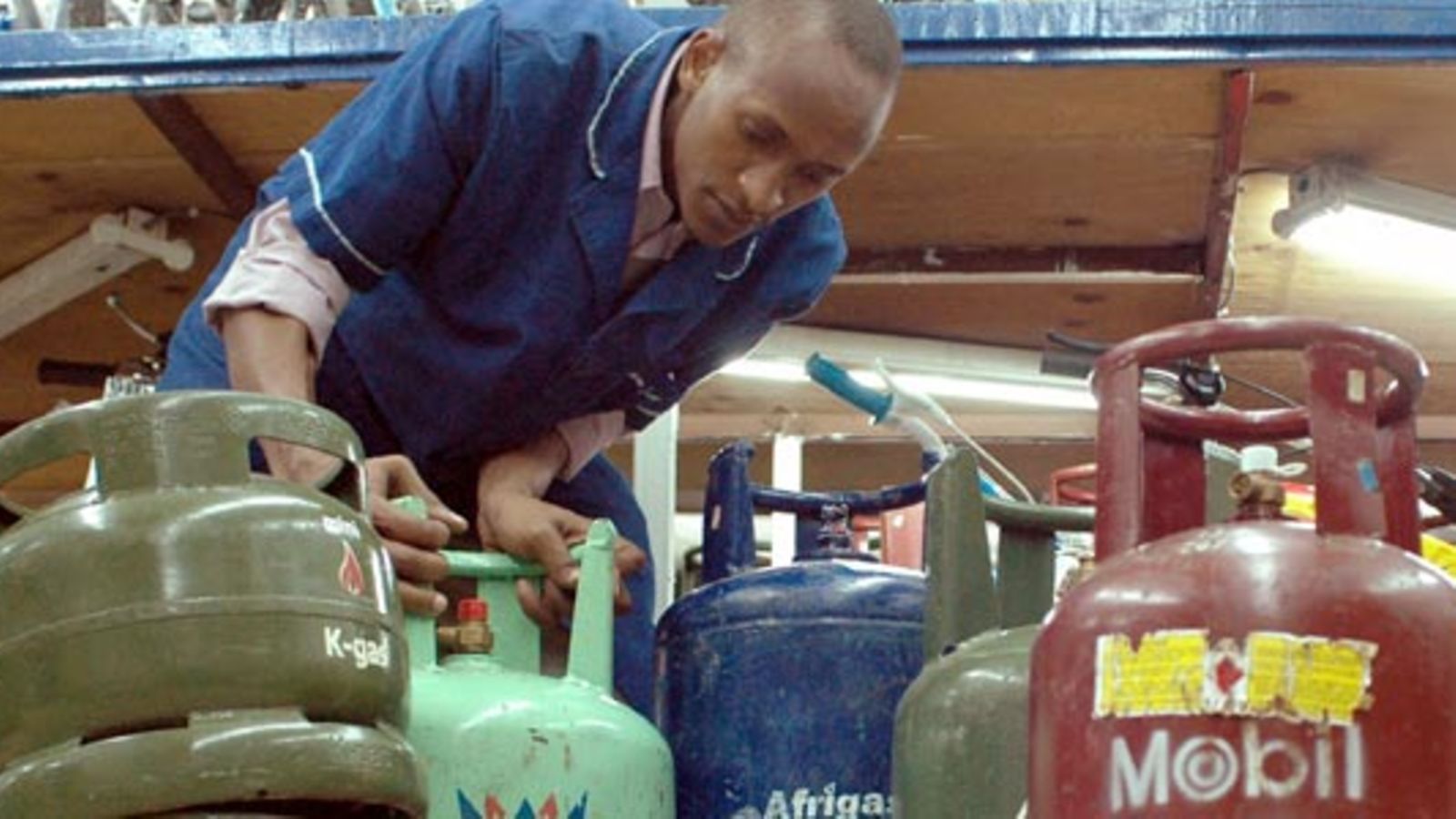
Kenyans should brace themselves to fork out more for cooking gas from July 1 as the 16 percent Value-Added Tax (VAT) on liquefied petroleum gas (LPG) takes effect.
Re-instated in the Finance Act, 2020, implementation of the levy was delayed by Kenya Revenue Authority (KRA) for a year over the high cost of living. The taxman has since confirmed that the levy will be imposed at the start of the new financial year.
With LPG no longer zero-rated, 13kg cooking gas retailing at an average of Ksh2,250 would rise to Ksh2,610.
The move will force Kenyans to dig deeper into their pockets for cooking gas, at a time when many are already feeling the pain of high fuel prices, cost of living and the economic shocks of the Covid-19 pandemic – including wage cuts, job losses and business closures.
Unlike other petroleum products, LPG prices are not controlled in Kenya further raising concerns that dealers might exploit the situation to charge exorbitantly.
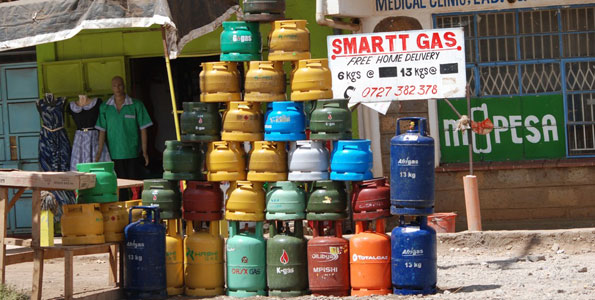
Scrapping of the 16-percent VAT on LPG in 16 saw prices fall to historic lows, and dealers reckon that the Ksh350 rise will likely represent the biggest spike in over 20 years.
READ>>>>>Oil Marketer Smells Opportunity in Kenya’s LPG Market
It comes against the backdrop of the Energy and Petroleum Regulatory Authority (EPRA) decision to keep prices for fuel – diesel, petrol and kerosene – unchanged in April after an increase in May sparked widespread public anger, particularly online.
Reports indicated that EPRA backtracked at the last minute on plans that would have seen petrol prices increase by Ksh20.12 a litre over the past three months, with diesel up Sh13.56 over the same period.
Also stoking public anger was external debt from the International Monetary Fund (IMF), with Kenyans railing against a Ksh250 billion loan package meant to aid the country’s Covid-19 response and address various fiscal challenges.
Over 200,000 Kenyans signed a petition seeking to stop the IMF from issuing loans to Kenya, forcing the body to respond to concerns raised.
It asserted that it had sought to implement various safeguards to ensure that the funds were not misused.
“The central objective of the [IMF loans] program [to Kenya] is to gradually stabilize public debt,” the fund noted.











Leave a comment