


Economic rivalry between East African countries is affecting regional integration, a study conducted by global audit and financial consulting services firm PricewaterhouseCoopers has revealed.
The study dubbed Public Sector and Infrastructure Insights reveals that the individual countries are advancing their own economic interests at the expense of the East African economy, decisions that afterwards turn out to be poorly thought out.
PwC says that it would make much more economic sense if Kenya, Tanzania, Uganda, Rwanda, Burundi and South Sudan worked together to attract large investments for the larger East African market which has a population of 100 million people as opposed for instance attracting investments that will benefit the 42.8 million people in Uganda.
“We’ve seen companies going into single markets like Rwanda and finding in a very short while that the market is not substantial enough to support certain levels of investment,” reads the study.
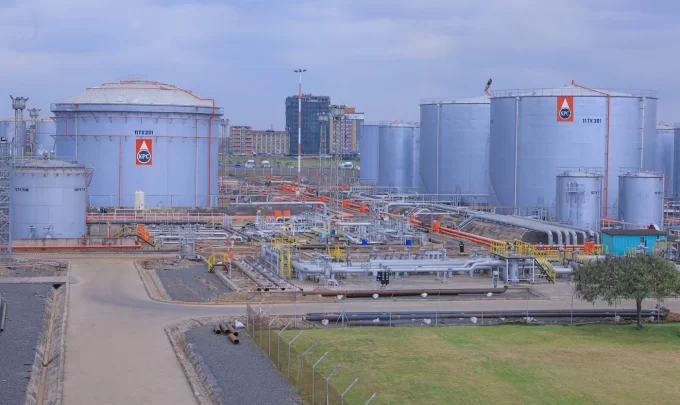
Instead, PwC is proposing regional investments which can leverage economies of scale synonymous with the oil extraction sector in Uganda, Kenya and South Sudan.
The financial services firm also says that with respect to infrastructure, there is much more room to operate as a regional bloc citing declarations, treaties and regional policies that have gone on to benefit individual countries such as Mutual Recognition Agreements (MRAs) that allow professionals to move freely and work in the region without permits.
PwC cites the oil pipeline standoff between Kenya and her East African peers that led to the passports of Energy Cabinet Secretary Charles Keter and his delegation to be confiscated temporarily at the Port of Tanga in March 2016 while their Ugandan counterparts were not seized.
READ: KENYA’S PLAN TO BOOST EXPORTS TO TANZANIA, UGANDA
Keter and Co had gone to rescue a deal that would see Uganda’s oil pass through Kenya but Tanzanian President John Magufuli had other ideas as he upstaged Kenya to the deal, a move which PwC says has cost Nairobi dearly economically.
“A project like the pipeline that was planned to transport the crude to the port of Mombasa would leverage economies of scale if the three countries came together. But now Uganda plans to export its oil through the Tanzania pipeline, South Sudan is not in a stable position now and Rwanda will probably follow the cheapest and most efficient route,” reads the report.
SEE ALSO: KENYA 93RD MOST COMPETITIVE ECONOMY IN THE WORLD
PwC Kenya partner and Infrastructure Industry Leader Edward Kerich says the rivalry is affecting the port of Mombasa since the ports of Dar-es-Salaam (Tanzania) and Bagamoyo (Tanzania) are going to challenge Kenya Ports Authority (KPA) with competition.











Leave a comment