

Seventy-five (75%) percent of Kenyan Micro, Small, and Medium Enterprises (MSMEs) will be running the risk of collapsing at the end of June as COVID-19 continues to ravage the business entities that form the bedrock of the country’s economy.
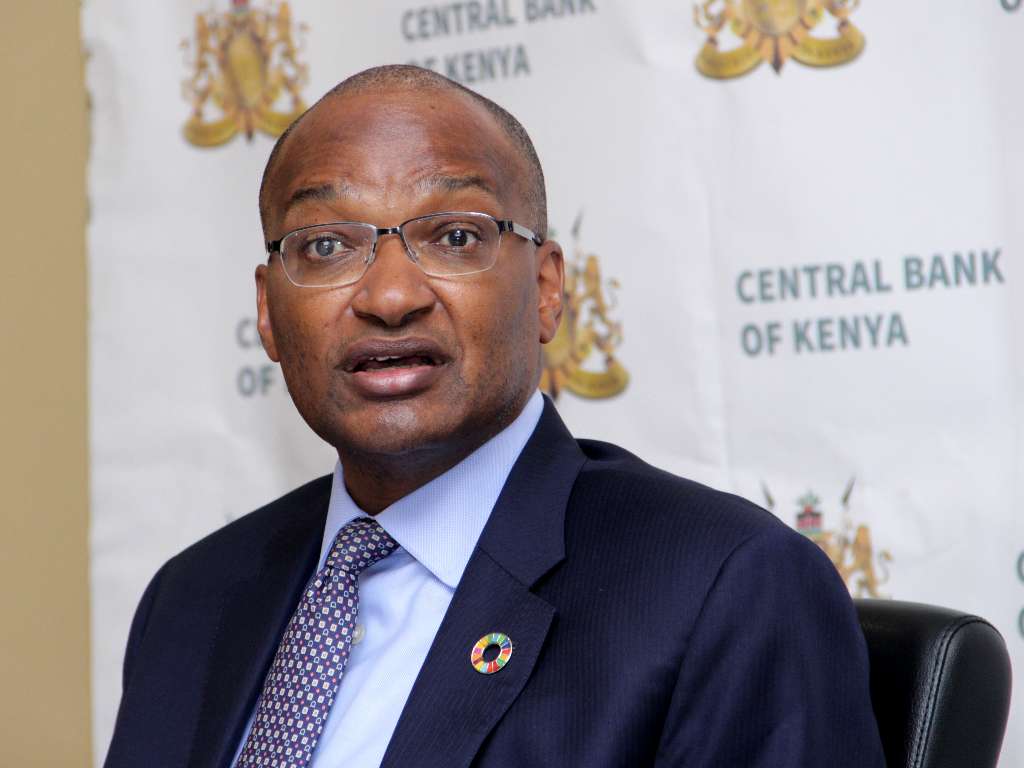
Central Bank of Kenya (CBK) Governor Dr. Patrick Njoroge in a Monetary Policy Committee (MPC) virtual briefing on Thursday expressed concern that three-quarters of small and medium Kenyan businesses do not have the wherewithal to withstand the pandemic stressing the urgent need for a formula to stop their imminent death.
According to Dr Njoroge, a survey conducted by the monetary policy regulator in April shows that SMEs are running on empty, struggling to sustain operations including paying suppliers.
“Whatever policy action put in place to help MSMEs needs to go beyond finance, into finance plus, including linkages to other markets, ” said Dr. Njoroge.
The CBK Governor also called on Kenyans not to hesitate sharing the challenges they are facing while servicing their loans adding that the regulator is working with banks to make sure that borrowers get the relief they need to to overcome the crisis.
As part of the measures to support businesses, Njoroge said, Kenyans should be ready to explain the challenges they are experiencing with their banks while servicing loans.
Thursday’s briefing was a follow up of a Monetary Policy Committee (MPC) decision to maintain the base lending rate at 7.00%.
Worrying Times
SMEs form the cream of Kenya’s economy constituting 98% of all businesses in the country according to CBK statistics.
Conversely, this boards gloom for the SMEs which employ approximately 14.9 million Kenyans.
As it stands, SMEs have already taken a beating from the restriction of movement within and outside the country compounded by the widespread loss of jobs in the country.
In the same vein, another survey by the Kenya National Bureau of Statistics (KNBS) shows that a third of Kenyans are struggling to pay rent over the pandemic.
The survey dubbed Socio-Economic Impact of COVID-19 on Households Report, 30.5 percent of households were unable to pay rent on the agreed date in April citing reduced income.
All these factors combined are piling pressure on the government to reopen the economy to cushion Kenyans who are struggling to sustain their livelihoods without a source of income.














Leave a comment