

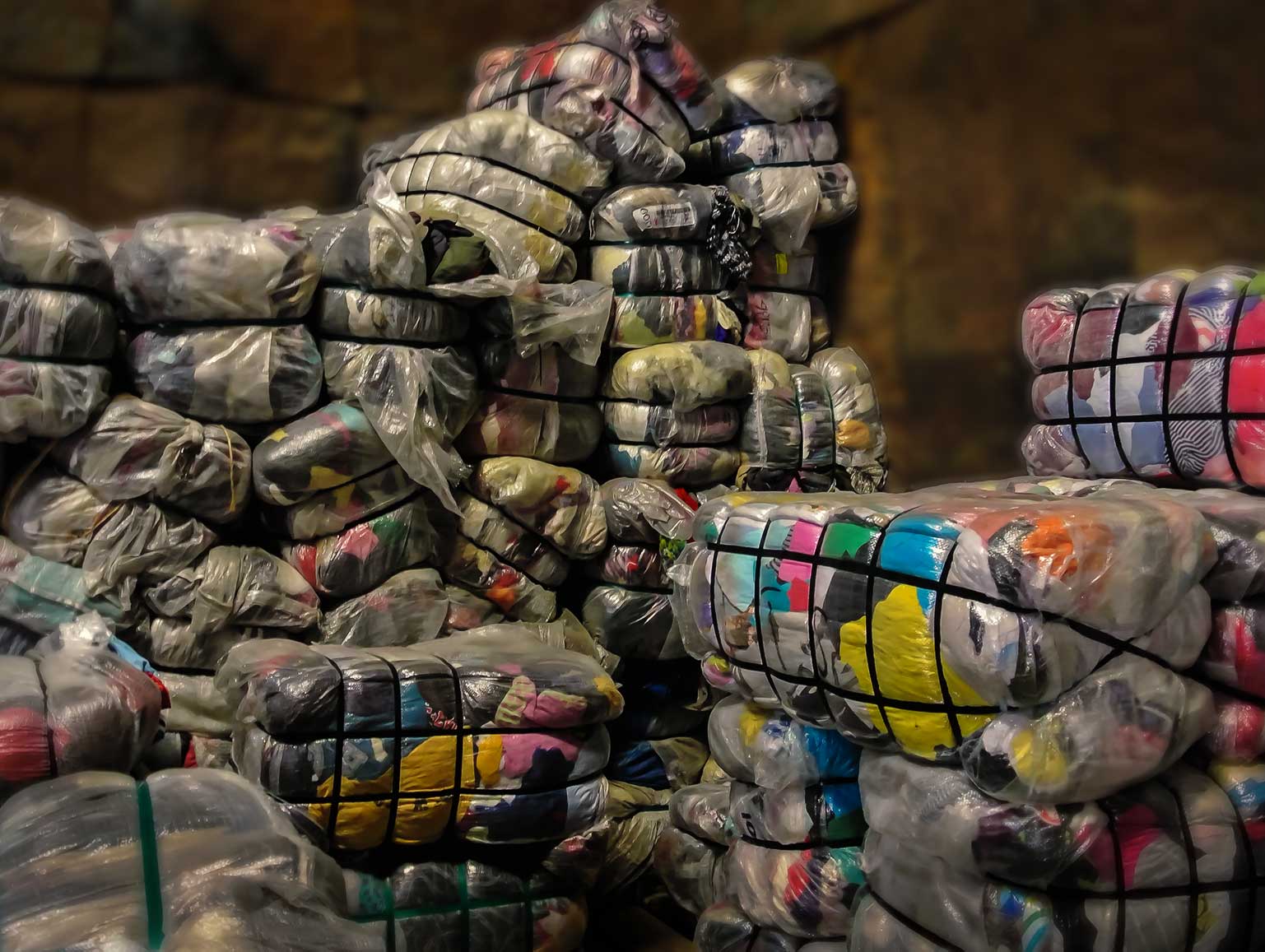
The Mitumba Association of Kenya is urging the Ministry of Industrialization, Trade and Enterprise Development to publish protocols that will guide the resumption of the importation and sale of imported or second-hand clothes as directed by the President Uhuru Kenyatta three weeks ago.
On June 6, President Kenyatta directed Industrialization Cabinet Secretary Betty Maina in consultation with the Ministry of Health and representatives of the Mitumba trade to establish acceptable protocols geared towards lifting the ban on the importation of second-hand clothes and footwear over Coronavirus.
The Association that represents nearly 2 million players in the mitumba industry has stated the delay by the ministry continues to negatively impact the livelihoods of Kenyans.
According to the Association’s chairperson, Teresia Njenga, the industry players had submitted a proposal to the ministry a month before the president’s directive as agreed with the ministry during consultative talks.
“When the President issued the directive during his 9th State address on the Covid-19 pandemic, on July 6, we extended our appreciation to the Head of State and hoped that the ministry would move expeditiously. Weeks on, more traders have lost their livelihoods as others are faced with hard choices,” she said.
“We estimate that for every week of delay, approximately 35,000 traders and players and linked sectors are deprived of their livelihoods as stocks get depleted. This is despite the fact that the World Health Organization (WHO) has not prohibited the movement of goods or commodities as a measure to contain the COVID-19 pandemic,” she added.
According to Kenya National Bureau of statistics Manpower survey, the popular mitumba traders fall under the Second Hand clothes and footwear Industry which employs an estimated ten percent (10%) of the extended labour force.
The total extended labour force based on Labour Force Survey Report in 2020 is 20.6 million. It is therefore estimated that the trade-in second-hand clothes and footwear employs 2 million Kenyans.
In a letter addressed to CS Maina, the Association has pointed at the extremity of the situation and reiterated its previous commitment to collaborate with the Ministry as it plays its trade facilitation mandate.
The guidelines developed and submitted in early June by the association, proposed to enhance the health protocols effected at countries of origin and introduce of additional health clearance measures upon arrival.
Equally, the guidelines provide detailed workplace protocols for traders, the majority of whom operate from open-air markets across the country.















Leave a comment