

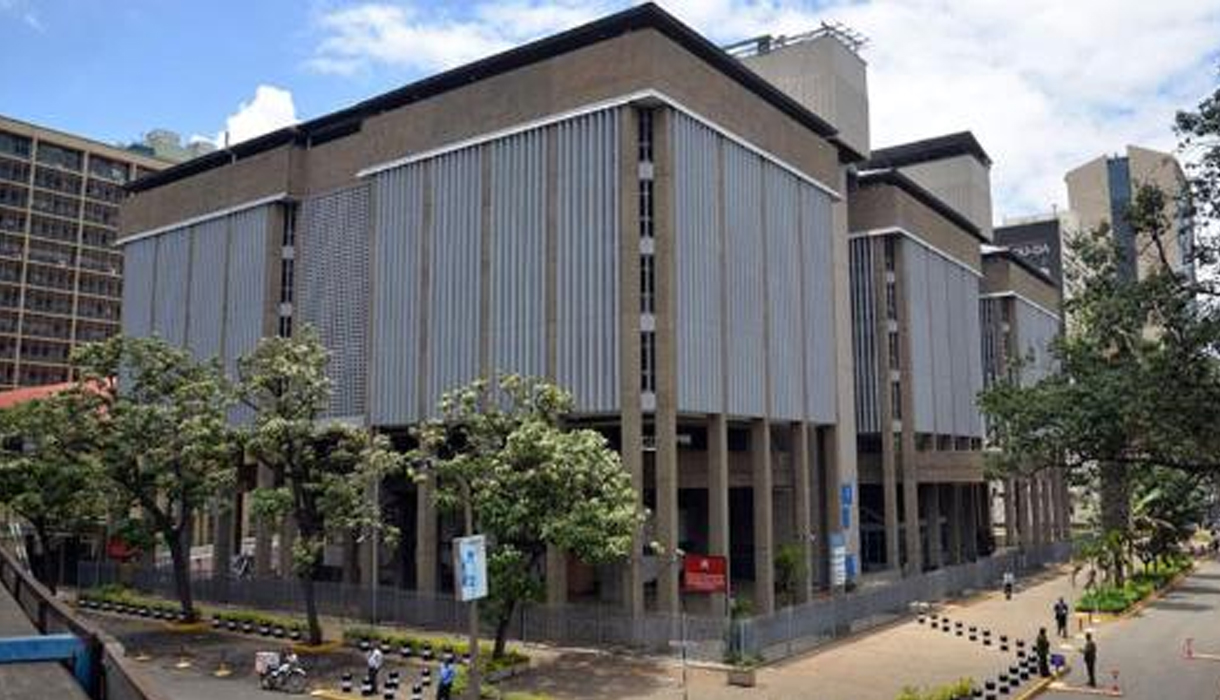
The Central Bank of Kenya (CBK) is finetuning plans to acquire USD400 million to boost its foreign currency reserves amid World Bank’s projection that the effects of the spread of the COVID-19 Virus are set to shave 5% off the world’s projected economic growth this year.
In a letter to all CEOs of banks in Kenya, the monetary policy regulating institution has asked interested lenders to submit their bids.
Under the plan, BK is set to acquire USD100 million (Ksh10.2 billion) once every month between March and June which will amount to the USD400 million (Ksh40.4 billion)
“This will bolster CBK’s preparedness to deal with the heightened global volatility and uncertainties,” said CBK’s Financial Markets Director William Nyagaka “Nevertheless, these purchases will be conducted while ensuring that they don’t introduce volatility and instabilities in the foreign exchange market,”
CBK’s weekly bulletin for the week ending February 28 shows that usable forex reserves were sufficient at USD 8,409 million as of February 27 from USD 8,500 as of January 30.
The bulletin also shows that remittance inflows ticked up to USD 259.4 million in January 2020 from USD 250.3 million in December 2019.
The cumulative inflows in the 12-months to January 2020 increased to USD 2,811 million against USD 2,733 million in 2019, reflecting a growth of 2.8%.
The decision to boost forex reserves could also be attributable to the need to pay interest on the country’s outstanding bonds.
Payment of external loans has left Kenya in a precarious position with Kenya needing more commercial debt as concessional loans are unable to cover forex reserves shortfalls because they are channeled into specific projects directly.
Treasury Cabinet Secretary has made it abundantly clear that he is seeking to retire commercial loans for concessional debt in a bid to jumpstart Kenya’s frail economy
“Looking at the issued Eurobonds, it constitutes about two-thirds of current forex reserves. Going forward, reserves adequacy will be quite constrained and they are getting a way to solve this now given our exports are muted and not a key contributor to reserves,” said an analyst who spoke to the Business Daily in confidence.












Leave a comment