

The rate of growth in house prices went down by 2.78% during the first Quarter of 2019, in what also marked the third decline since the Kenya Bankers Association House Price Index (KBA-HPI) base period.
The other two instances were reported in the last Quarter of 2013 and the third Quarter of 2014. The latest KBA-HPI attributes the decline to the constrained credit flows to both the supply and demand side of the housing market.
On the supply side, the Index associates the slowdown to a slump in the rate of credit growth to the building and construction sector between July 2017 and June 2018, which averaged at 1.2%.
“The influence of the credit supply to this sector, a good proxy of availability of funding for housing construction, manifested itself in supply constraints after a period of about a year,” reports KBA.
In addition, the volume of cement consumption also between July 2017 and November 2018 also dipped from 553,631 metric tonnes to 460,967, respectively.
On the demand side, among the factors highlighted as contributing to the decline include challenges facing prospective home buyers especially in accessing bank credit.
Other factors cited include a cautionary stance of many households due to strained economic conditions and squeezed household budgets. Although the price movements resonate with a general stability recorded since the second Quarter of 2018, the new findings note that the stability is seen as tentative and could be a pointer to a depressed market if sustained.
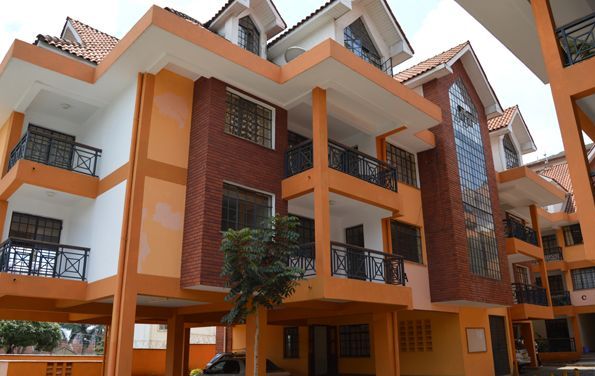
Overall, buyers showed a distinct preference for the number of bedrooms and bathrooms among other factors as opposed to overall plinth area, with apartments maintaining its previous dominance in the housing market, accounting for a relatively high share of sold units at 62.62%, which is a structural feature that would potentially change with the implementation of the Affordable Housing Programme under the Big Four Agenda.
The KBA-HPI regions are based on clustered price ranges across several counties as follows:
Region 1: Athi River, Mlolongo, Mavoko, Nakuru, Ngong, Ruaka, Syokimau, Embakasi, Kahawa Wendani, Thika, Mtwapa, Utange, Kitengela, Kiembeni, Nyeri, Likoni, Eldoret, Ruiru, Kilifi,Thika road (Kasarani, Roysambu, Ruaraka), Meru, Bungoma.
Region 2: Thindigua (Kiambu Road), Kiambu, South B, South C, Kabete, Komarock, Imara Daima, Membley, Buruburu, Rongai, Waiyaki Way (Uthiru, Regen, Kinoo, Kikuyu), Mbagathi road, Ngong Road, Langata.
Read: Linus Gitahi appointed Diamond Trust Bank chairman
Region 3: Kileleshwa, Kilimani, Lavington, Westlands, Spring Valley, Riverside, Milimani (Kisumu), Milimani (Nakuru), Runda, Karen, Garden Estate, Parklands, Ridgeways, Muthaiga, Loresho, Kitisuru, Adams Arcade, Nyali, Mountain View, Nyari.















Leave a comment