

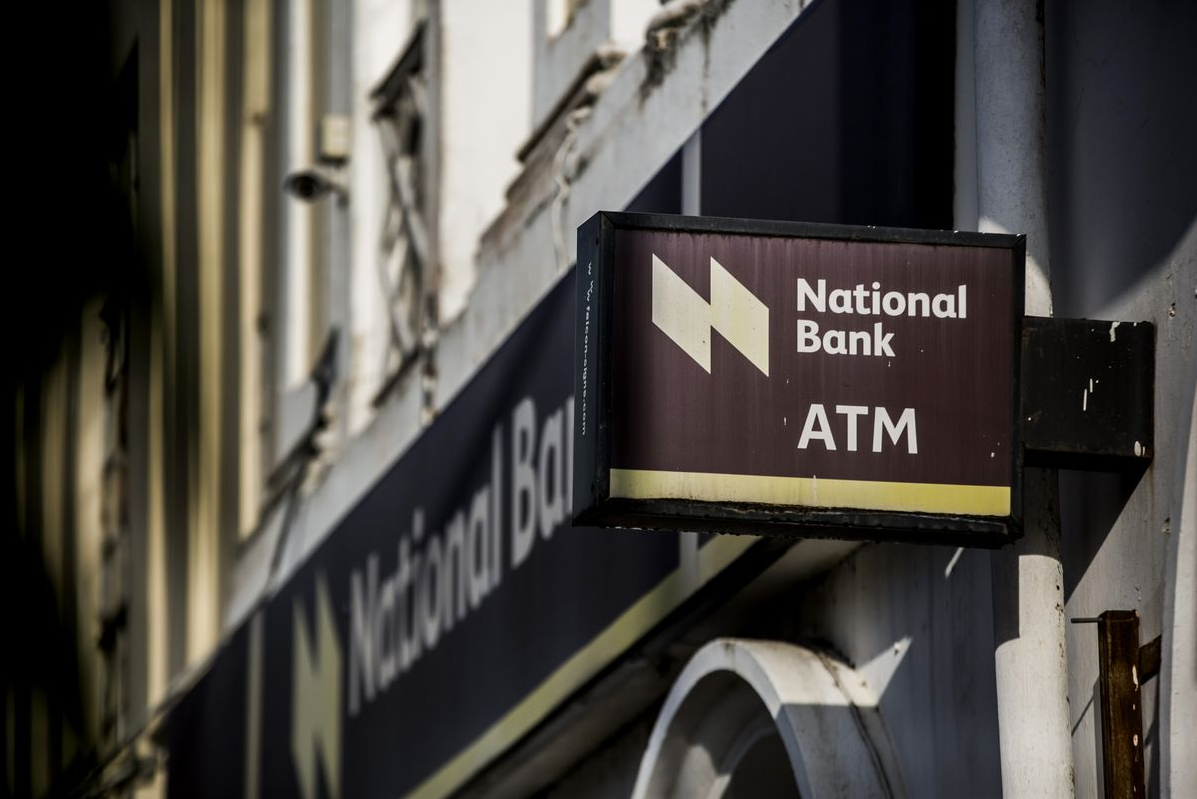
National Bank of Kenya (NBK) has posted Ksh87million in profit after tax for the nine months ending September 2020, one year after being acquired by KCB Group. This represents a 77% decline over a similar period last year due to the effects of the COVID-19 pandemic.
The bank recorded a profit before tax of Ksh535million, representing a 7% increase over a similar period in 2019.
The corporate and retail franchises remained resilient, amid a subdued economy and reduced activity across sectors, due to the Covid-19 crisis.
“These results demonstrate the bank’s resilience, in the face of a very challenging operating environment. They have been buoyed by ongoing efforts to turnaround this institution that has however been slowed down by effects of the COVID-19 pandemic,” said NBK Managing Director Paul Russo.
Non-funded income grew by 5% from the previous year, on increased focus on digital banking. Interest income stood at Ksh7.2billion, a growth of 9% due to increased volumes in loans and advances as well as sustained recoveries. Comparatively, interest expense remained relatively flat at Ksh2 billion.
Total operating costs increased by 14%, largely driven by increased provisioning to cover for higher credit risks due to the pandemic in a period that also saw the bank continue to drive cost management initiatives.
On the balance sheet side, total assets grew by 21% to Ksh129.5 billion from Ksh107 billion, majorly from net loans and advances which were up 12% to Ksh53billion. This was also supported by increased customers and deposits which grew by 24% to Ksh102billion. Total non-performing loans and advances stood at Ksh23.3billion, a 15% drop from Ksh27billion year on year.
Nation Bank recorded improvements in key ratios such as the capital position. Liquidity ratio was at 47.3%, compared to 35.7% in 2019.
“We remain cautiously optimistic about the future of the bank,” Mr Russo said. “We continue to invest in revamping our channels and delivering an unmatched experience to our customers.”











Leave a comment