

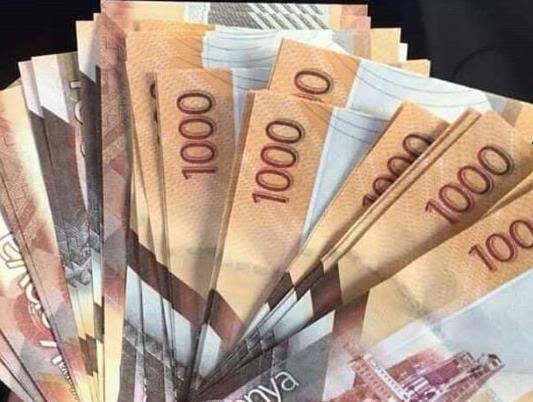
Hidden charges, high transaction costs and problematic digital banking services are sparking a wave of discontent among the customers of Kenya’s biggest banks.
The January 2023 return of bank to mobile money transaction charges suspended at the height of Covid-19 two years ago has opened a can of worms, sparking a discussion on the things Kenyans don’t like, and don’t know, about their banks. Interestingly, it is emerging that many Kenyans are unfamiliar with the various charges they incur – ranging from the SMS alert fees some banks charge for each for credit/debit transaction notification, ATM withdrawal fees, annual account charges and transactions on various mobile banking apps.
Banks’ online customer care channels have been scrambling to respond to countless queries from frustrated Kenyans in recent days. In some instances, customers have even vowed to leave their banks for less expensive and more transparent alternatives.
How well do you know how much your bank charges you? In most cases, obscure terms and conditions include details and costs that many fail to read before making various transactions or opening an account.
Hidden charges are nothing new in Kenya. In 2021, for example, the Competition Authority of Kenya ordered 12 banks to review their mortgage contracts which were deemed unfair.
READ>Deadline to Import Cars from 2015 and Earlier is Here – What You Should Know
A CAK review of home loans contracts offered by 27 banks found 12 to be in breach of regulatory provisions. The information provided to customers was deemed incomplete, unclear, and unfavourable.
It was established that hidden costs for origination, booking, valuation, mortgage and title transfer, commissions, brokers’ fees, legal fees, insurance and stamp duty can drive up the mortgage rate by over 10 percent.
The 12 lenders whose contracts were deemed unfair included KCB Bank, NCBA Bank, Absa Bank Kenya, DIB Bank Kenya, Mayfair Bank, Consolidated Bank, Victoria Commercial Bank and Bank of Baroda.
It is important to read the terms and conditions carefully before entering any contracts with financial institutions. You should also purpose to make official enquiries whenever you are unsure of charges you are incurring.
You can also file a consumer complaint with the Competition Authority of Kenya (CAK) over the practices of your bank, or reach out to the Central Bank of Kenya (CBK). In cases of fráud, you can file a report with the DCI’s banking fráud unit.
NEXT READ>Chicken Is The Most Ordered Item In 2022 – Bolt Report







![Parliament in a past session. [Photo/Parliament of Kenya/Facebook]](https://businesstoday.co.ke/wp-content/uploads/2026/02/Parliament-Kenya-200x143.webp)






Leave a comment