

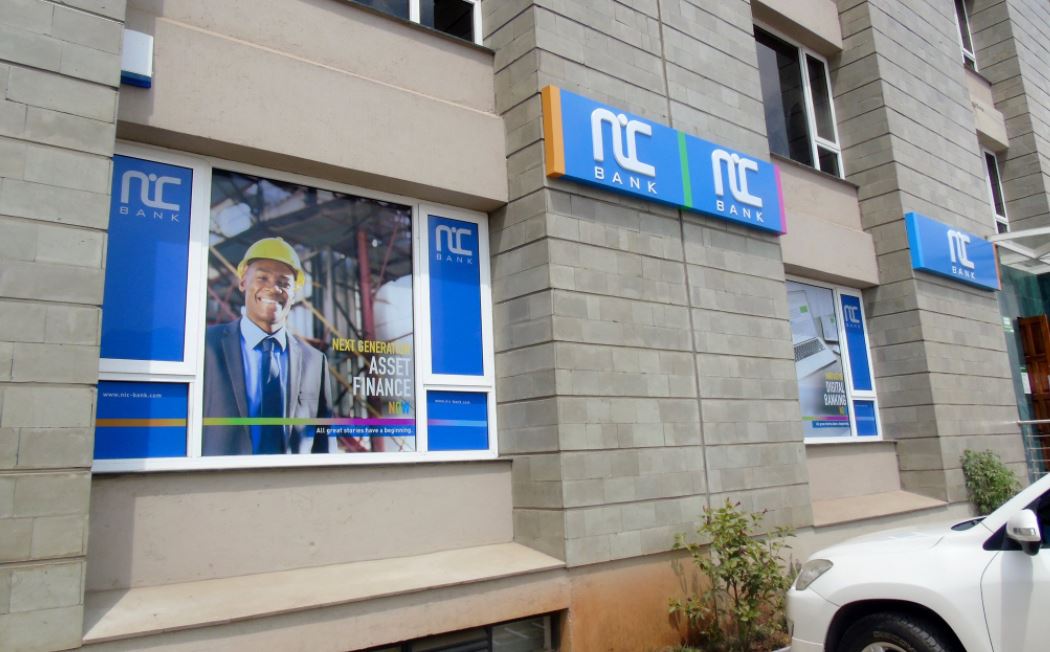
The planned merger between NIC Group and Commercial Bank of Africa inched closer to fruition after majority of CBA’s of its shareholders approved the share swap deal that was proposed in January.
The merger plan has received a high acceptance rate with 29 out of 34 investors in CBA giving the greenlight to the offer as at 11th March 2019. A statement issued by the directors of CBA Group, indicated these 29 shareholders own 98% of the bank. President Uhuru Kenyatta’s family is a principal shareholder in CBA Bank.
The merger is expected to be executed through a share swap, the first major merger deal in the banking industry. “As a result of the share exchange transaction, it is proposed that NIC Group will acquire sole control of CBA and its subsidiaries,” CBA said in a statement published in the daily newspapers.
The two banks started discussions of a possible merger in December 2018. They concluded that in the event of a merger, the 34 owners of CBA will own 53 percent of the merged company while existing NIC Group shareholders will own 47 percent of the company. The new entity will be referred to as NIC Group.
The marriage is expected to create Kenya’s third largest bank by assets and propel NIC from a second tier bank to a first tier bank.
[ Read Also: Experts say high interest rates good for the economy ]
Analysts predict that the banking sector is set to witness similar transactions as more banks consolidate. Directors of CBA group noted that certain requirements need to be met before the merger is finalized.
The directors warned CBA investors that the merger will have a significant effect on the company’s share and bond prices. As a result, traders in such securities were advised to exercise caution.
Global Credit Ratings (GCR) recently cautioned that despite long-term benefits expected from the merger, operational and technical risks of combining two banking systems, funding structures and cultures may slow earnings for several years. the two banks have been fairly profitable.
CBA’s nine-month profits to September 2018 fell 16% to Ksh3.36 billion while that of NIC dropped by 3.2% to Sh3.3 billion. “We also anticipate the long-term integration costs to be material, causing a drag on earnings for a two- to three-year period, limiting the positive effect of the merger,” said GRC in separate ratings on the two entities.
[ Don’t Miss: How sleeping longer makes you great and successful ]










4 Comments