

Public utility solution providers have been implored to adopt information technology systems to plug supply losses.
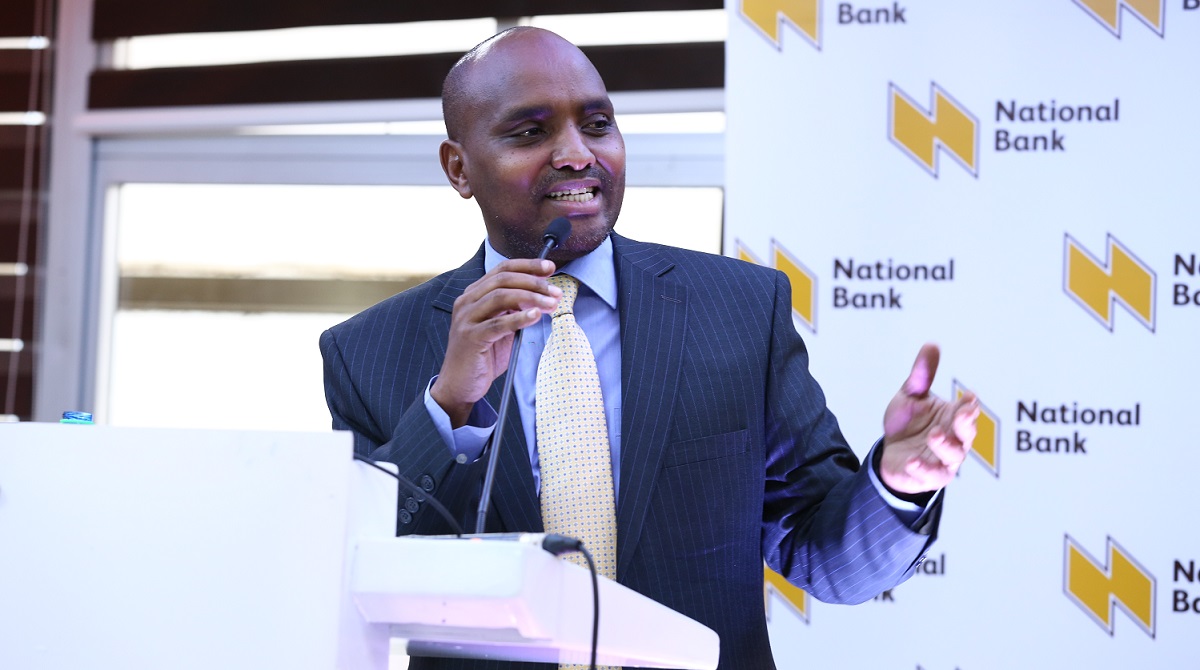
Speaking during the second edition of the Non-Revenue Water (NRW) Management Symposium being hosted by the Kenya Water Institute (KEWI) and themed ‘Closing the Last Mile SDG 6’, National Bank of Kenya (NBK) Managing Director Paul Russo advised stakeholders in the water supply sector to consider adopting IT-based transmission monitoring systems.
NRW is water that has been produced and is “lost” before it reaches the customer. Losses can be real losses or apparent losses. High levels of NRW are detrimental to the financial viability of water utilities.
Such systems featuring real-time loss point alarms, Russo said will provide an effective interface with online revenue and billing management systems provided by financial service providers.
NBK, he said, had pumped in more than Ksh1million in the NRW symposium as part of the Bank’s capacity-building commitments.
“At NBK, we are committed to advancing partnerships with key stakeholders such as water supply companies in NRW management. Through our sponsorship for this symposium, we are sharing experiences on fiscal management competencies that we can jointly rollout to plug both revenue and non-revenue losses,” Russo said.
The symposium brings together key players and partners within the water ecosystem and showcases cutting-edge technologies that address NRW reduction.
“NRW management is important and allows utilities to expand and improve service, enhance financial performance, make cities more attractive, increase climate resilience and reduce energy consumption. As such, we have set aside an affordable and flexible financing through our MajiKonnect program to finance Water, Sanitation and Hygiene Sector (WASH) sector players including SMEs and Water Services Providers to improve access to water services,” Russo said.
Russo added that NBK was keen to ensure sustainability in the WASH sector by facilitating the achievement of operational sustainability by water service providers for a healthy environment and a stable society.
Last year, KEWI entered into collaboration with National Bank of Kenya as a strategic partner to implement WASH program with the aim of helping the country achieve SDG 6 – clean water and sanitation for all.
The collaboration includes areas in research and sanitation technology transfer areas, equipping of the KEWI water quality laboratories, support of KEWI corporate social responsibility activities, support to KEWI WASH programs and support of some short course programmes like Basic Plumbing Course and Water Governance.
Others include support to the KEWI Education Revolving Fund, Student Internship, Industrial attachment, Exchange and Internship programmes.
Read: KCB Converts Ksh3.45B NBK Debt to Equity
>>> Kakuzi Awarded Global Certification For Sustainable Water Resources Management
















Leave a comment