

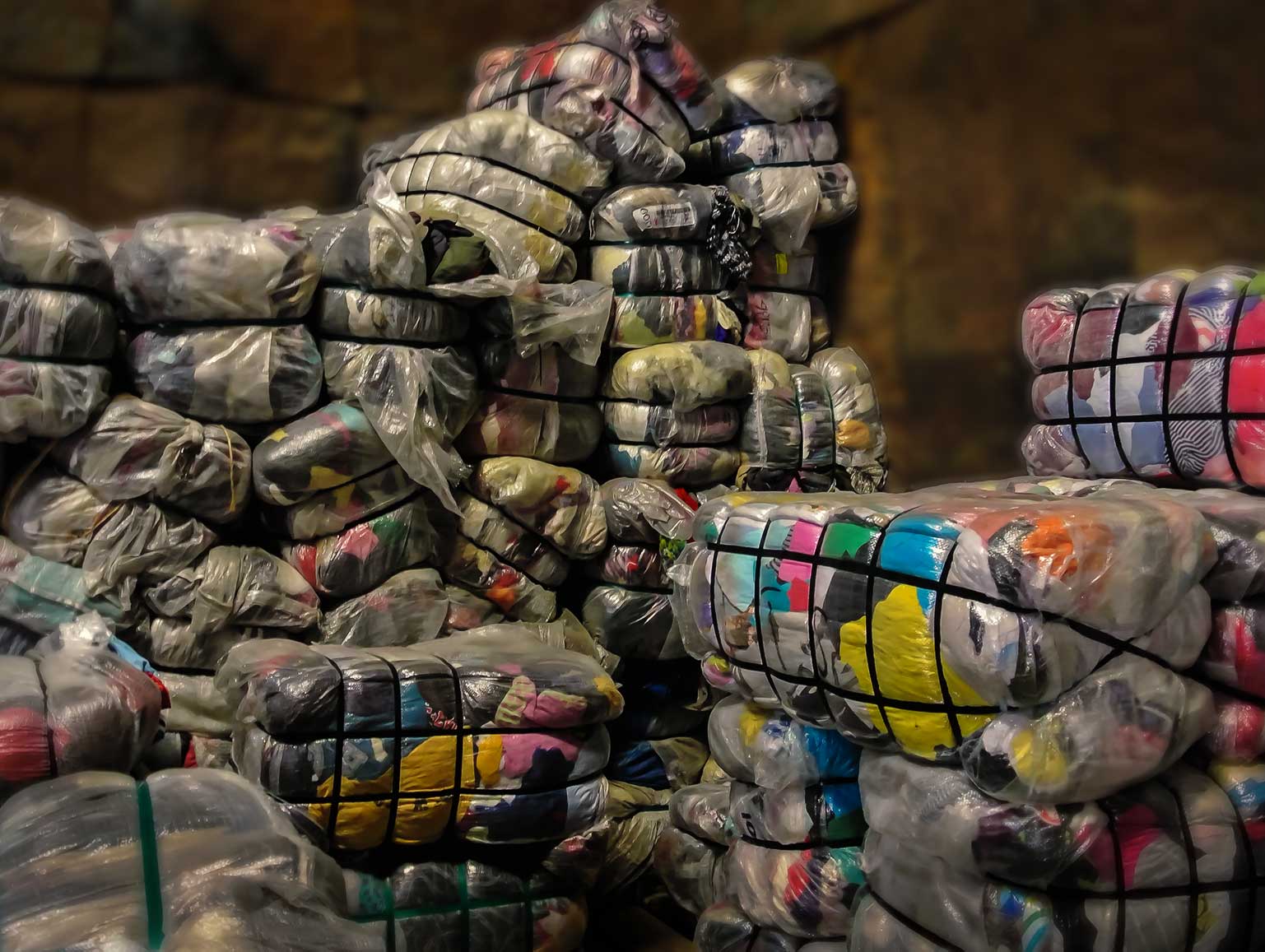
Traders can now resume importation and sale of used textiles and shoes (mitumba) effective immediately, following the lifting a ban by the Ministry of Industrialization and the Kenya Bureau of Standards (KEBS)
The reprieve comes following the development of protocols to enhance protection and safety of traders and users while handling used textiles and shoes to avoid the spread of coronavirus.
“The guidelines provide a framework for enforcing additional safety measures such as cleaning and fumigation of used textiles and shoes at the country of origin before baling, and at the wholesale or retail stores including surrounding areas every day at closure of business,” says Lt Col (Rtd.) Bernard Njiraini, Managing Director, KEBS in a statement to newsrooms.
In the guidelines, used nightwear including pajamas, nightdresses, nightgowns and patient hospital wear: used bath towels and undergarments including women’s briefs, men’s briefs, brassieres, camisoles, socks, stockings, petticoat, sandals, slippers and indoor footwear have all been prohibited from import.
All importers and suppliers of used textiles and used shoes shall notify KEBS in writing of their intention to import used textiles and used shoes.
The importers will have to make a declaration of country of origin and each consignment shall be accompanied by a fumigation certificate or treatment certificate issued by a licensed service provider in the country of origin.
“Each consignment shall be accompanied by a Health Certificate issued by a public health authority in the country where the items have been collected or sourced (Country of Origin of the product) and must be packed in clear transparent and waterproof material and shall have a maximum weight of 30 Kgs,” read the new guidelines.
Traders are also required to have a Certificate of Conformity (COC) issued by a pre-export verification of conformity inspection service provider approved by the Kenya Bureau of Standards (KEBS).
In addition, clearance of used textiles and shoes shall only be undertaken through the Kilindini port and the Inland Container Depot Nairobi (ICDN).
“We urge importers, dealers and buyers of used textiles to adhere to the guidelines provided in the protocols,” added Njiraini.
Based on research and new knowledge corroborated by the World Health Organization (WHO) and the Centre for Disease Control and Prevention (CDC), among other research organizations, the guidelines are a culmination of several weeks of research and consultations by KEBS with the Ministry of Industry, Trade & Enterprise Development, and the Ministry of Health
KEBS suspended the importation of used garments and footwear, popularly known as “mitumba”, early this year following the declaration of COVID-19 as a pandemic by the WHO.













Leave a comment